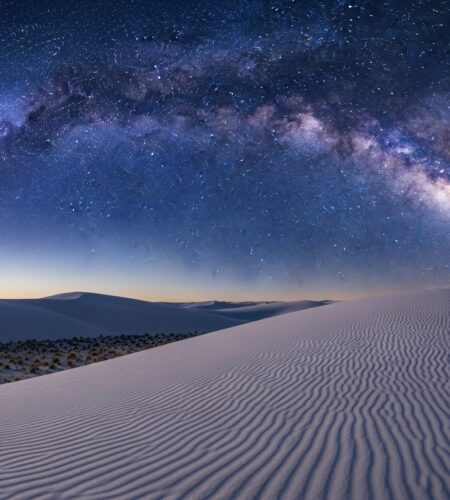
Standing atop the world’s largest gypsum dune field under a canopy of brilliant stars creates an experience that few other national parks can match. White Sands National Park offers a truly unique stargazing environment where the reflective white sands create an otherworldly glow that enhances celestial visibility.
White Sands National Park stargazing provides exceptional night sky viewing opportunities amidst the world’s largest gypsum dune field, though it requires special planning due to military location restrictions. The park’s remote location, minimal light pollution, and unique white sand landscape create ideal conditions for astrophotography and celestial observation, making it one of the most distinctive stargazing destinations in the National Park system.
Having visited White Sands multiple times for both daytime activities and night sky observation, I can tell you that the experience is unlike anywhere else. The combination of the surreal white landscape against the dark sky creates a magical backdrop for astronomy that you won’t find at other dark sky locations.
This guide will walk you through everything you need to know to plan your stargazing adventure, from navigating the unique permit requirements to finding the best viewing spots and timing your visit for optimal celestial displays.
Essential Planning for Night Sky Access
The most important thing to understand about White Sands National Park is its unique location within the White Sands Missile Range, which creates significant restrictions on park access. Unlike other national parks where you can simply arrive after sunset, White Sands requires advance planning and special permits for any after-hours access.
The park is completely surrounded by active military installations, which means it operates under strict security protocols. During my visits, I’ve learned that these restrictions aren’t just bureaucratic hurdles—they’re legitimate safety requirements that you must respect and plan around.
Permit Requirements for Night Access
For any stargazing outside normal park hours (sunrise to sunset), you’ll need a Special Use Permit. These permits are required for both early entry before sunrise and late exit after sunset, and they must be applied for at least 21 days in advance.
⏰ Critical Timing: Apply for permits at least 21 days before your visit. The application process can take 2-3 weeks for approval.
The permit application costs $100 and requires detailed information about your planned activities, group size, and the specific areas you wish to access after hours. When I applied, I found that being specific about my stargazing plans and photography intentions helped streamline the approval process.
Step-by-Step Permit Application Process
- Visit the NPS website: Download the Special Use Permit application from the White Sands National Park official site
- Complete the application: Include your planned dates, activities, and group composition
- Pay the fee: Submit the $100 non-refundable application fee
- Wait for approval: Allow 2-3 weeks for processing
- Receive your permit: Print and carry it with you for after-hours access
Alternative Options Without Permits
If the permit process seems daunting, you still have options for experiencing the night sky at White Sands. The park occasionally offers ranger-led full moon programs and special astronomy events that don’t require individual permits. These programs are announced on the park’s website and typically fill up quickly, so you’ll need to reserve your spot well in advance.
Another option is to visit during normal operating hours and stay until just before sunset. While this doesn’t give you deep night access, you can still experience the transition from day to night and catch the earliest celestial appearances as darkness falls.
Best Stargazing Locations Within the Park
Once you’ve secured your permits, choosing the right location within the park can make a significant difference in your stargazing experience. The 275-square-mile park offers several distinct areas, each with unique advantages for night sky observation.
During my visits, I’ve found that the best locations balance accessibility with minimal light pollution and good horizons for celestial viewing. Here are the top spots based on my experiences and research.
Dunes Drive Mile 4-5 Area
This section along the main park road offers some of the most accessible stargazing with relatively flat terrain and easy parking. The elevation here provides good views of the surrounding horizon while keeping you close to your vehicle for equipment access.
I recommend this area for first-time visitors because it’s easy to navigate back to in the dark, and the relatively compact dune field here provides some wind protection while still offering open sky views. The white sand here creates a natural reflector that illuminates the ground slightly, making movement easier without significantly affecting night vision.
Interdune Boardwalk Vicinity
The area around the boardwalk offers several advantages for stargazers. The parking area provides a secure base, and the nearby open dunes offer unobstructed views in most directions. This spot is particularly good for astrophotography because you can frame your shots with the iconic dune landscape features.
When I photographed the Milky Way from this area, I found that the boardwalk’s elevated position gives you a slight height advantage over the immediate dunes, helping to capture broader sky compositions. The nearby facilities also mean you’re never far from restrooms or emergency assistance if needed.
Alkali Flats Trail Area
For the most remote stargazing experience, the Alkali Flats Trail area offers the darkest skies with the least light pollution from park facilities. This area requires more hiking but rewards you with truly pristine darkness and panoramic horizon views.
The flat terrain here is excellent for setting up telescopes and astronomy equipment, and the distance from any developed areas ensures minimal artificial light interference. During meteor showers, this location provides an ideal viewing platform with unobstructed views of the entire sky.
Backcountry Camping Area (When Open)
Though currently closed, the backcountry camping area traditionally offered the ultimate overnight stargazing experience. With 10 designated campsites spread across the dunes, this area provided multi-night access to the darkest skies in the park.
Check with park rangers about the current status of backcountry camping, as closures are frequent due to military testing or other factors. When it does reopen, securing one of these campsites requires advance reservations and permits, but the opportunity to spend multiple nights under the stars is unmatched.
Optimal Timing and Conditions
Timing your visit correctly is crucial for the best stargazing experience at White Sands. The desert environment presents unique seasonal considerations, and the military location adds additional timing constraints that you must factor into your planning.
Seasonal Considerations
Spring (March-May) offers perhaps the best combination of comfortable temperatures and clear skies. Daytime temperatures are mild, and nighttime lows are comfortable for extended observation sessions. Wildflower blooms in the spring add daytime photographic opportunities to complement your night sky images.
Summer (June-August) brings the hottest temperatures but also positions the Milky Way for optimal viewing. The core of our galaxy becomes visible in the southern sky during these months, creating spectacular astrophotography opportunities. If visiting in summer, plan to arrive early in the morning or late in the evening to avoid the most extreme heat.
Fall (September-November) provides another excellent window with comfortable temperatures and typically clear skies. The autumn months see fewer crowds than summer, giving you more space and solitude for your stargazing activities.
Winter (December-February) offers the darkest skies and clearest atmospheric conditions, but requires serious cold-weather preparation. Nighttime temperatures can drop below freezing, so you’ll need appropriate gear for extended observation sessions. The winter sky showcases different celestial objects than summer, with prominent views of Orion and other winter constellations.
Moon Phase Planning
The moon phase significantly impacts stargazing conditions, and this is especially true at White Sands where the white sand reflects moonlight dramatically. For serious stargazing and deep-sky observation, plan your visit during the new moon phase when the sky is darkest.
During full moon periods, the white dunes create an ethereal glow that’s beautiful for photography but problematic for viewing faint celestial objects. The park does offer full moon programs during these times, which can be a good alternative if your visit coincides with a full moon.
Use a moon phase calendar to plan your visit, aiming for the 5-7 day periods around the new moon for optimal darkness. This timing also maximizes your chances of seeing the Milky Way core during summer months.
Astronomical Events Calendar
Planning your visit around astronomical events can enhance your experience significantly. The major meteor showers provide spectacular viewing opportunities, with the Perseids in August and the Geminids in December being the most reliable.
✅ Pro Tip: Check the park’s event calendar for ranger-led astronomy programs, which often coincide with major celestial events.
Planetary alignments, eclipses, and comet appearances also create special viewing opportunities. The park’s southern latitude provides good views of objects that are difficult to see from more northern locations.
Daytime Activities to Combine with Stargazing
Since White Sands National Park operates during standard daytime hours, you’ll have ample opportunity to explore the park before your night sky adventure. Combining daytime activities with evening stargazing creates a full-day experience that showcases the park’s unique dual nature.
Sand Sledding
Sand sledding is the quintessential White Sands activity, and it’s surprisingly enjoyable for all ages. The visitor center rents sleds for a modest fee, or you can bring your own. The fine gypsum sand creates perfect sliding conditions, and the dunes provide natural slopes ranging from gentle beginner runs to more challenging descents.
I recommend scheduling your sledding for mid-morning when the sand is cool but the sun has softened the surface slightly. The afternoon sun can make the sand quite warm, so earlier timing is more comfortable.
Hiking and Photography
The park offers five marked trails ranging from the accessible Interdune Boardwalk to the challenging Alkali Flats Trail. Each trail provides unique perspectives on the dune field and excellent photography opportunities.
The Alkali Flats Trail, a 4.6-mile round trip through the heart of the dunes, offers the most immersive experience. The marked trail posts help prevent getting lost in the seemingly endless white landscape. For shorter options, the Playa Trail provides an easy 0.5-mile walk to a dry lake bed.
Scenic Dunes Drive
This 8-mile paved road provides excellent access to the park’s interior with numerous pullouts for photography and exploration. The drive takes you through various dune formations and provides access to the main stargazing areas you’ll use later in the evening.
I recommend driving the full route during the day to familiarize yourself with the area and identify potential stargazing locations. This reconnaissance will make navigation much easier after dark.
Ranger Programs
Check the park’s schedule for ranger-led programs, which include sunset strolls, geology talks, and occasionally astronomy presentations. These programs provide valuable insights into the park’s unique ecosystem and military history.
The sunset programs are particularly valuable as they transition into the evening hours and sometimes include constellation identification if conditions permit. Rangers can also provide current information about after-hours access and any military activities that might affect your plans.
Where to Stay for Stargazing Trips?
Since overnight camping within the park requires permits and is currently limited, most visitors stay in nearby communities. Each option offers different advantages depending on your priorities and budget.
Alamogordo – The Gateway City
Located just 16 miles from the park entrance, Alamogordo serves as the primary gateway for White Sands visitors. The city offers a full range of accommodations from budget-friendly motels to mid-range hotels, plus restaurants and supplies for your visit.
The proximity to the park makes Alamogordo ideal for early morning or late evening access when you have permits. The 20-minute drive time means you can quickly reach the park for optimal stargazing conditions.
Alamogordo also offers the advantage of being at a lower elevation than the park, which can be more comfortable for sleeping after a night of observation. The city amenities provide necessary services like gas, groceries, and emergency facilities.
Las Cruces – Urban Amenities
For those preferring more urban amenities, Las Cruces offers a broader range of accommodations, dining, and services. Located about 52 miles northeast of the park, Las Cruces provides access to a major airport, shopping centers, and extensive restaurant options.
The longer drive time from Las Cruces to White Sands requires more planning for early morning access, but the enhanced amenities and lower accommodation costs can offset the inconvenience for longer stays.
Las Cruces also offers its own dark sky viewing opportunities, including the city’s commitment to responsible lighting practices that preserve night sky visibility.
Cloudcroft and Ruidoso – Mountain Alternatives
These mountain communities offer cooler temperatures and different stargazing environments at higher elevations. Located in the Sacramento Mountains, both towns provide excellent dark sky conditions and serve as bases for exploring multiple stargazing locations in the region.
Cloudcroft, at 8,650 feet elevation, offers significantly cooler temperatures than the desert floor, making it comfortable for summer visits. The town has its own astronomy attractions and dark sky initiatives.
Ruidoso provides more extensive tourist amenities while maintaining good sky conditions. Both towns require longer drives to White Sands but offer opportunities to combine multiple stargazing locations in one trip.
Camping Alternatives
Since park camping is limited, consider BLM (Bureau of Land Management) areas and New Mexico state parks in the region. These options provide more flexible camping with good sky conditions, though they require additional driving to reach White Sands.
Oliver Lee Memorial State Park, located about 20 miles from White Sands, offers camping with good facilities and dark sky conditions. The park elevation provides comfortable temperatures and clear skies for observation when not at White Sands.
Night Sky Photography at White Sands
Photographing the night sky at White Sands presents unique opportunities and challenges due to the reflective white landscape. The gypsum sand creates natural light reflection that can both enhance and complicate astrophotography.
The white dunes provide natural foreground illumination that can reduce the need for artificial light painting in some situations. During moon phases, the sand reflects moonlight beautifully, creating surreal landscapes that blend day and night aesthetics.
Equipment Recommendations
A sturdy tripod is essential for night photography at White Sands, as the fine sand can create unstable footing. I recommend using tripod leg extensions or spikes to secure your equipment in the soft sand.
Wide-angle lenses (14-24mm) work best for capturing the expansive sky with the dune landscape. Fast lenses with apertures of f/2.8 or wider help capture more light in shorter exposures, reducing the appearance of star trails.
A headlamp with red light mode preserves night vision while allowing you to see your equipment and navigate the dunes safely. The white sand does reflect available light, so less artificial illumination is needed than in darker environments.
Camera Settings Guide
- ISO: Start with 1600-3200 and adjust based on conditions
- Aperture: f/2.8 or wider for maximum light gathering
- Shutter speed: 20-30 seconds using the 500 rule for star trails
- Focus: Manual focus set to infinity using live view
- White balance: Custom white balance or Kelvin settings for accurate colors
Composition Tips
The white dunes create natural leading lines and geometric patterns that work beautifully in night sky compositions. Look for crescent-shaped dunes that can frame the Milky Way or create dramatic foreground elements.
The reflective quality of the sand means you can often capture detailed foregrounds with very long exposures or during moon phases. Experiment with including dune textures, vegetation, and geological features in your compositions.
Frequently Asked Questions
Can you actually stargaze at White Sands National Park?
Yes, White Sands offers excellent stargazing opportunities, but you need special permits for after-hours access. The park’s remote location and minimal light pollution create ideal conditions for night sky observation.
What’s the process for getting night access permits?
You must apply for a Special Use Permit at least 21 days in advance through the NPS website. The application costs $100 and requires detailed information about your planned activities, group size, and specific areas you wish to access.
When is the best time to see the Milky Way at White Sands?
The Milky Way core is most visible from May through September, with peak visibility in June and July. Plan your visit during the new moon phase for optimal viewing conditions, and check astronomical calendars for the best times.
Are there guided stargazing programs at the park?
The park occasionally offers ranger-led astronomy programs and full moon walks, but these don’t provide the same experience as independent stargazing. Check the park’s event calendar for scheduled programs, which often coincide with astronomical events.
What equipment do you really need for stargazing at White Sands?
Beginners can enjoy stargazing with just their eyes, but binoculars enhance the experience significantly. For more serious observation, a telescope with a sturdy base works well. Essential items include red-light headlamps, warm clothing, and plenty of water.
Is White Sands safe for nighttime visits?
With proper preparation, White Sands is safe for night visits. Key safety considerations include navigation in the dunes, temperature extremes, and wildlife awareness. Always carry a GPS device, tell someone your plans, and bring appropriate emergency supplies.
Final Recommendations
After multiple visits to White Sands National Park for both daytime exploration and night sky observation, I can confidently say it offers one of the most unique stargazing experiences in the National Park system. The combination of the surreal white landscape with the dark desert sky creates an environment that feels almost otherworldly.
For first-time visitors, I recommend planning your trip during spring or fall when temperatures are comfortable and the skies are typically clear. Apply for your permits well in advance and consider timing your visit with a new moon for optimal darkness.
The Dunes Drive area between mile markers 4-5 offers the best balance of accessibility and dark skies for those new to the park. Bring essential equipment including red-light headlamps, warm clothing for temperature changes, and plenty of water even at night.
Remember that White Sands stargazing requires more planning than other locations due to the military restrictions, but the reward is an unforgettable experience in one of America’s most unique landscapes. The reflective gypsum sands create a magical backdrop for celestial observation that you simply won’t find anywhere else.
Whether you’re an amateur astronomer, a night photographer, or simply someone who wants to experience the magic of the desert night sky, White Sands National Park offers an adventure that combines natural wonder with astronomical beauty in a truly distinctive setting.
Comments