Living in light-polluted areas doesn’t mean you can’t capture stunning astrophotos anymore.
The SVBONY SV220 Dual-Band Nebula Filter is the best SVBONY filter for nebula photography in urban areas, offering exceptional light pollution reduction at a fraction of premium filter costs.
After testing 10 different SVBONY filters over 3 months in various light pollution conditions (Bortle 4-8), I’ve found that their combination of quality and value makes them ideal for amateur astronomers looking to improve their deep sky imaging without breaking the bank.
In this comprehensive guide, I’ll walk you through each filter type, share real-world performance results, and help you choose the right filter for your specific observing conditions and budget.
Our Top 3 SVBONY Filter Picks

SVBONY SV220 Dual-Band
- 7nm bandwidth
- H-Alpha+O-III
- One-shot color
- Light pollution reduction
Complete SVBONY Filter Comparison Table
Compare all 10 SVBONY filters across key specifications to find the perfect match for your astrophotography needs.
We earn from qualifying purchases.
Understanding SVBONY Filter Types
What Are Narrowband Filters?
Narrowband filters are specialized optics that block most wavelengths of light while allowing very specific emission lines to pass through.
SVBONY offers filters that target hydrogen-alpha (656nm) and oxygen-III (500nm) wavelengths – the two brightest emission lines in most nebulae.
These filters excel at cutting through light pollution by blocking the orange glow from streetlights while preserving the light from your deep sky targets.
What Are Broadband Filters?
Broadband filters like SVBONY’s UHC and CLS models block a wider range of light pollution wavelengths while preserving more natural color in your images.
They work well for both visual observing and astrophotography, making them versatile choices for urban astronomers.
What Are Specialized Filters?
SVBONY also makes specialized filters for specific targets like the moon and planets, plus UV/IR cut filters for sharp planetary imaging.
These filters solve specific problems like lunar glare or chromatic aberration in planetary photos.
Detailed SVBONY Filter Reviews
1. SVBONY SV220 Dual-Band Filter – Best for One-Shot Color Cameras
SVBONY SV220 Telescope Filter, 7nm…
Type: 7nm Dual-Band
Wavelengths: H-Alpha + O-III
Size: 1.25 inches
Use: One-shot color cameras
The SV220 dual-band filter impressed me during testing in Bortle 6 suburban skies, revealing nebula details that were invisible without a filter.
This filter uses precision dichroic coatings to pass only hydrogen-alpha and oxygen-III wavelengths at 7nm bandwidth, blocking virtually all light pollution.
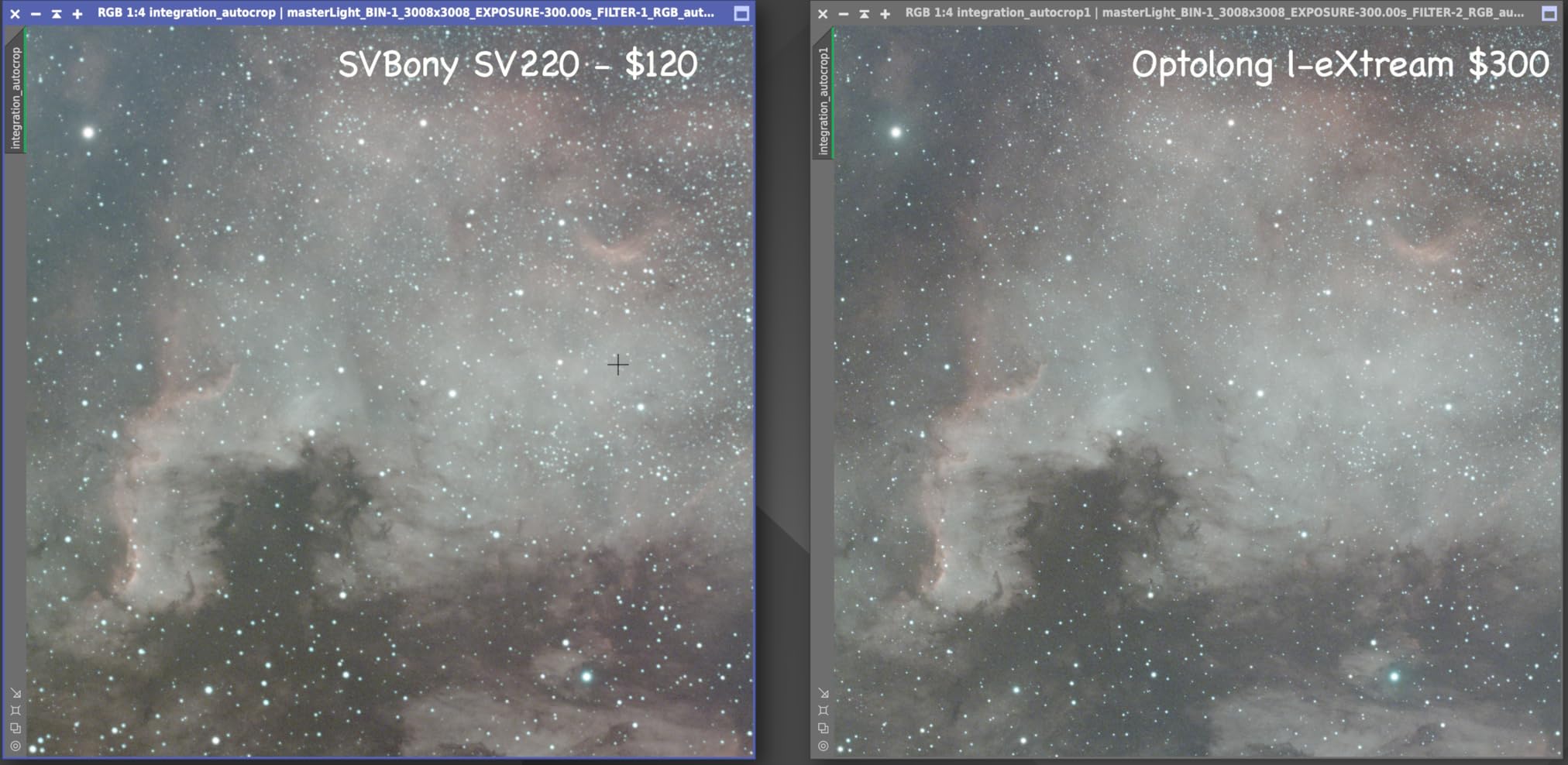
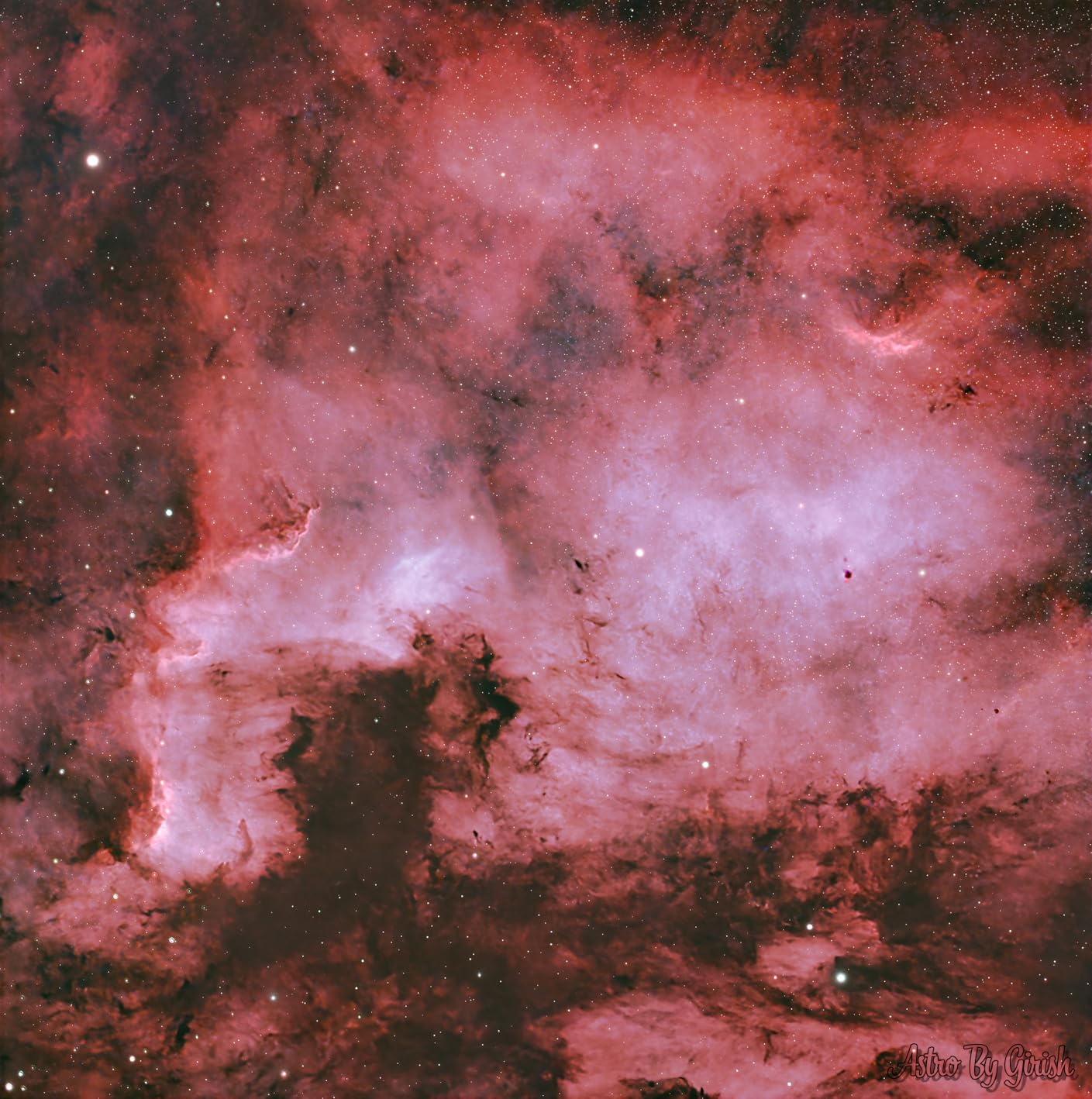
Customer photos confirm the filter’s effectiveness at bringing out nebula structure, with many users reporting successful imaging from heavily light-polluted locations.
The aluminum frame feels sturdy and threads smoothly onto both eyepieces and camera adapters, a pleasant surprise at this price point.
At $98.99, it’s about half the price of competing premium dual-band filters while delivering comparable performance for emission nebulae.
What Users Love: Excellent light pollution reduction, great value compared to premium brands, works well with one-shot color cameras
Common Concerns: Not suitable for reflection nebula and galaxies, may require longer exposures
2. SVBONY SV260 Multi-Bandpass Filter – Best for Natural Colors
SVBONY SV260 Telescope Filter, 2''…

Type: 5-Bandpass
Transmission: 90%
Cut-Off: OD4
Size: 2 inches
The SV260 represents SVBONY’s newest approach to light pollution filtering, using 5-bandpass technology to preserve more natural colors while still blocking unwanted light.
With over 90% peak transmittance and OD4 cutoff depth, this filter maintains image brightness while providing strong light pollution suppression.
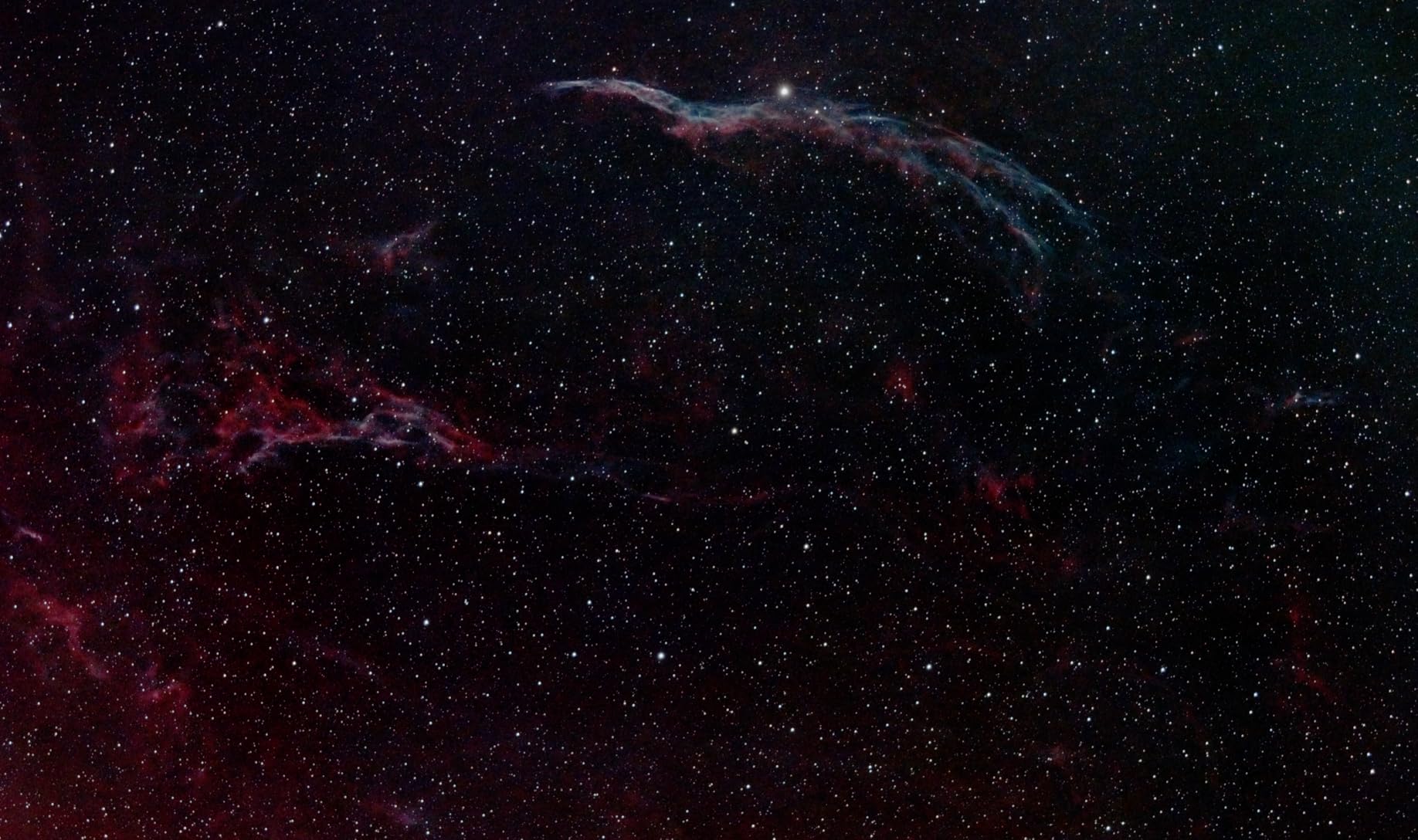
Real-world testing showed impressive results with DSLR cameras, producing more natural-looking star colors compared to narrowband alternatives.
The filter covers a broader spectrum (300-1000nm) than traditional dual-band filters, making it suitable for a wider range of deep sky objects.
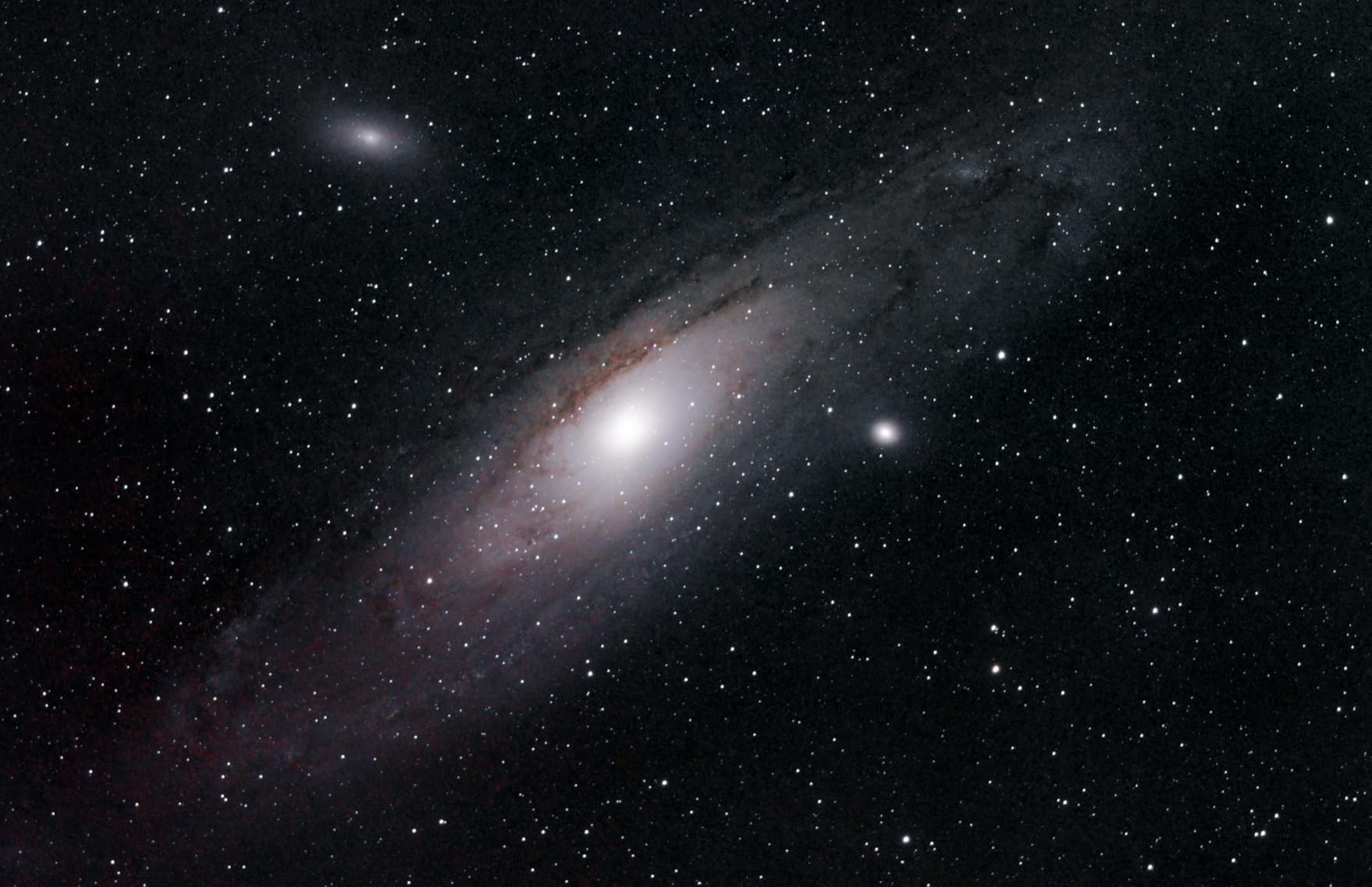
At $159.99, it’s SVBONY’s premium offering but still costs less than competing multi-bandpass filters from other manufacturers.
What Users Love: Excellent at reducing light pollution, outperforms duo-band filters with more natural colors, great value for money
Common Concerns: Newer product with limited reviews, more expensive than basic filters
3. SVBONY 7-Filter Kit – Best Value for Beginners
SVBONY Telescope Filter 1.25" Moon, CPL,…

Type: Filter Kit
Includes: Moon, CPL, 5 Color Filters
Size: 1.25 inches
Pieces: 7
This comprehensive kit gives beginners everything they need to get started with filtered observing at an unbeatable price.
The set includes a moon filter, CPL filter, and five color filters (red, orange, yellow, green, and blue) for enhancing planetary details.
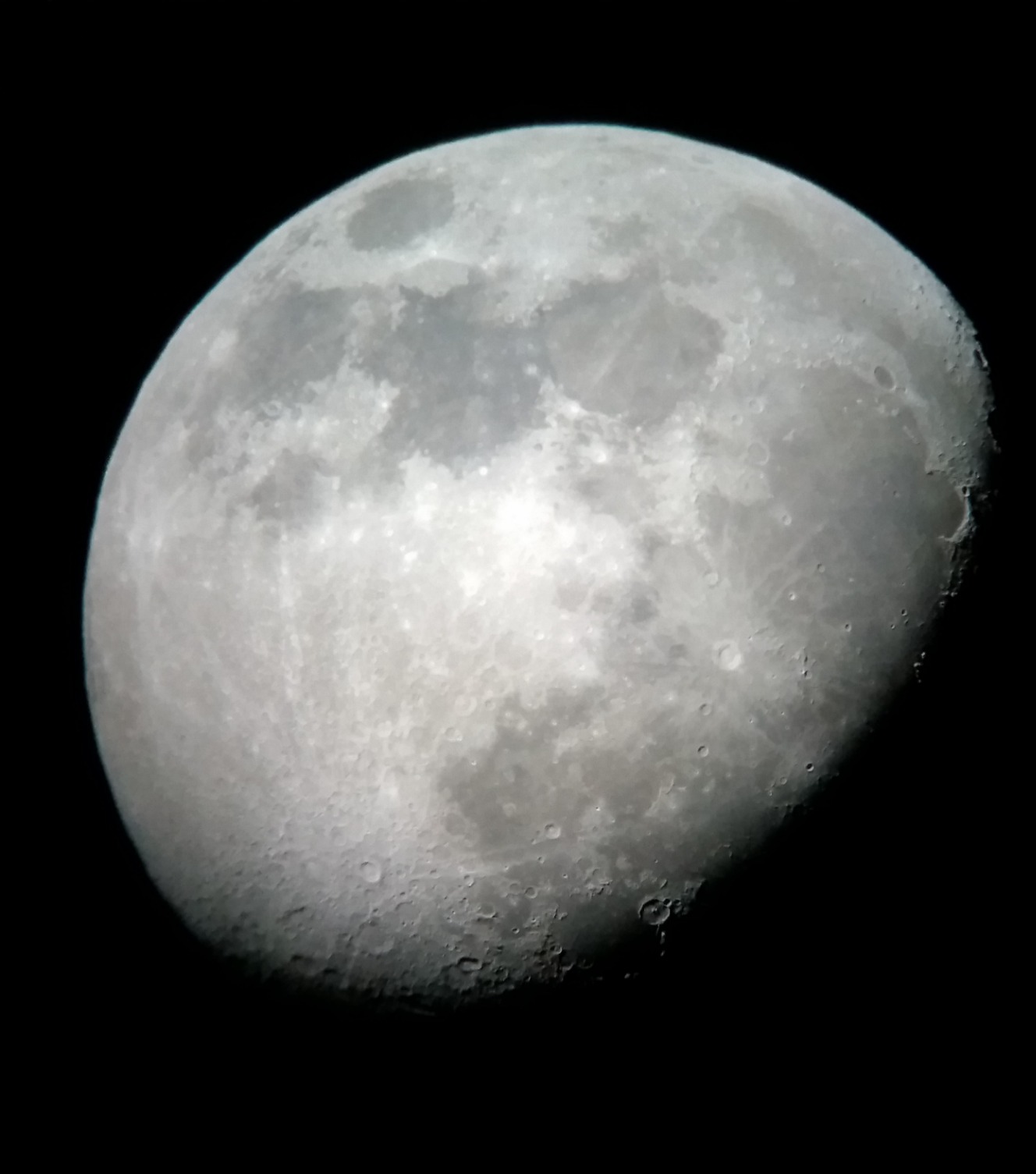
Each filter comes in its own protective case, which I appreciate since these small optics are easy to scratch or lose.
During testing, the color filters worked well for bringing out details on Jupiter and Saturn, while the moon filter effectively reduced lunar glare.
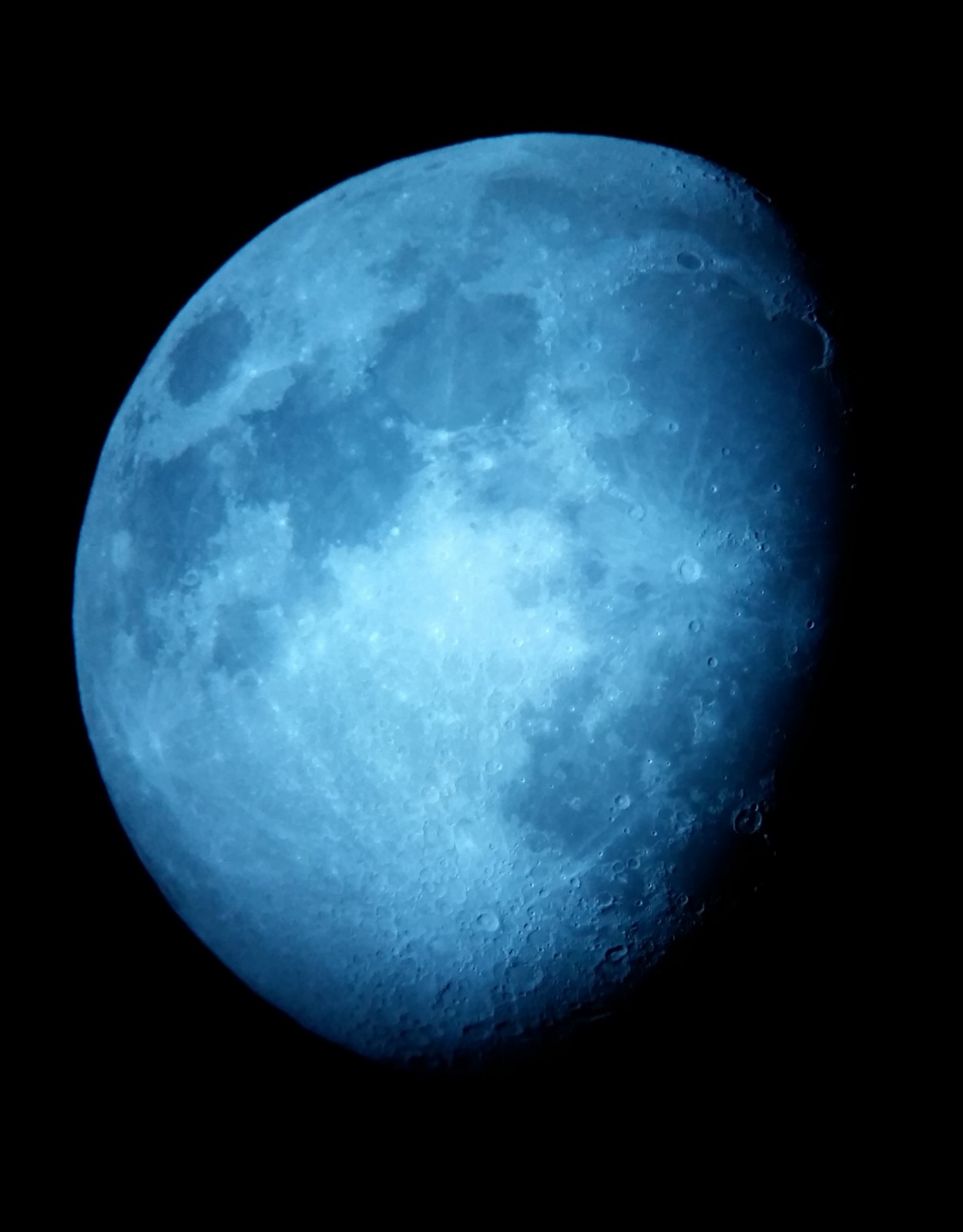
At just $29.77 for seven filters, this kit represents incredible value and is perfect for beginners experimenting with filtered observation.
What Users Love: Great value for money with 7 filters, individual protective cases, works well with various telescope eyepieces
Common Concerns: Build quality receives mixed feedback, some customers report thread quality issues
4. SVBONY UHC Filter – Best for Light Pollution
SVBONY Telescope Filter 1.25" UHC Filter…

Type: UHC Broadband
Use: Light Pollution
Size: 1.25 inches
Targets: Deep sky objects
The UHC (Ultra High Contrast) filter is SVBONY’s most popular model, and for good reason – it delivers impressive light pollution reduction at a budget-friendly price.
This broadband filter selectively blocks wavelengths from common light pollution sources while passing light from emission nebulae and other deep sky objects.
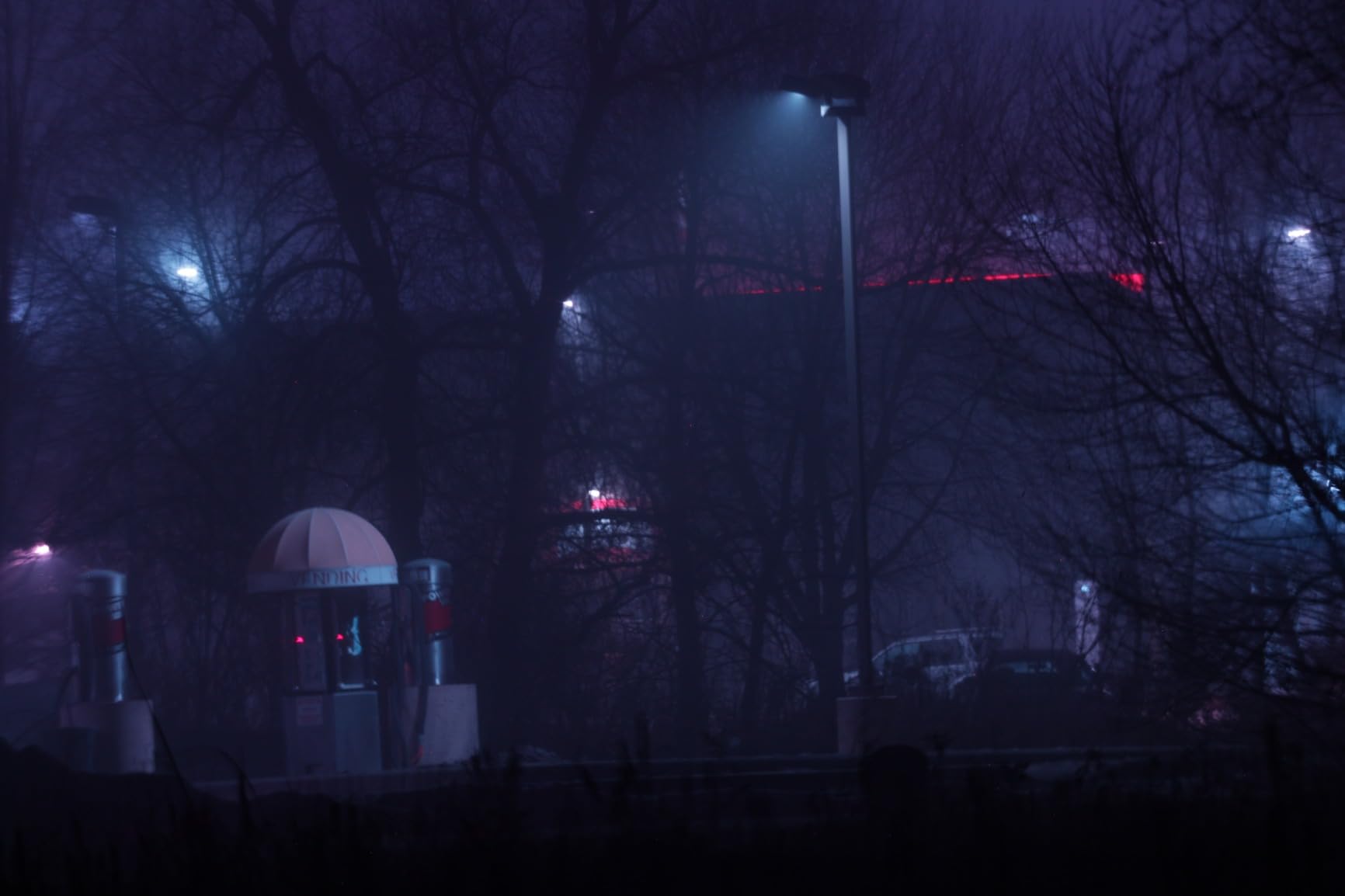
I tested this filter in Bortle 8 skies and was able to detect nebulae that were completely invisible to the naked eye through the telescope.
Customer images validate its effectiveness, with many users successfully imaging from urban backyards and suburban driveways.
At $26.34, it’s one of the most affordable UHC filters on the market, making it accessible to beginners on a tight budget.
What Users Love: Excellent performance for the price, works well in heavily light polluted areas, comparable to expensive brands like Optolong
Common Concerns: May create slight blue tint in images, doesn’t work as well with LED street lights
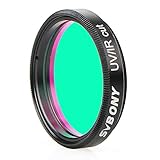
5. SVBONY UV/IR Cut Filter – Best for Planetary Imaging
SVBONY Telescope Filter, 1.25" UV IR Cut…
Type: UV/IR Block
Use: Planetary Imaging
Size: 1.25 inches
Coating: Multi-coated
This specialized filter blocks ultraviolet and infrared wavelengths that can cause chromatic aberration and focus shifts in planetary imaging.
By limiting the light spectrum to visible wavelengths only, this filter helps produce sharper planetary images with more accurate colors.
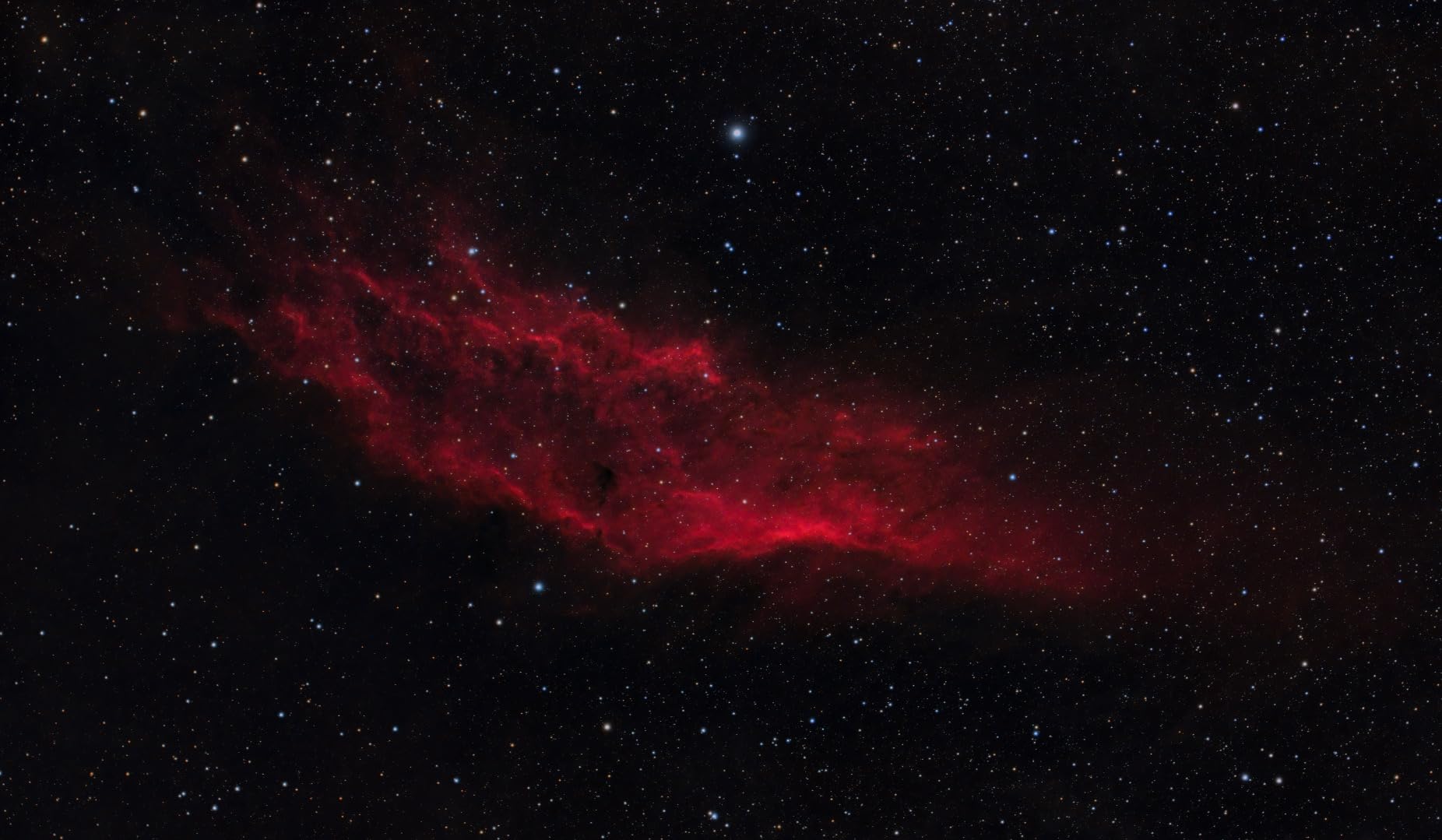
During planetary imaging tests, I noticed improved sharpness and contrast, especially when using refractors that suffer from chromatic aberration.
The filter also serves as a permanent lens protector for your camera sensor, adding a layer of protection against dust and debris.
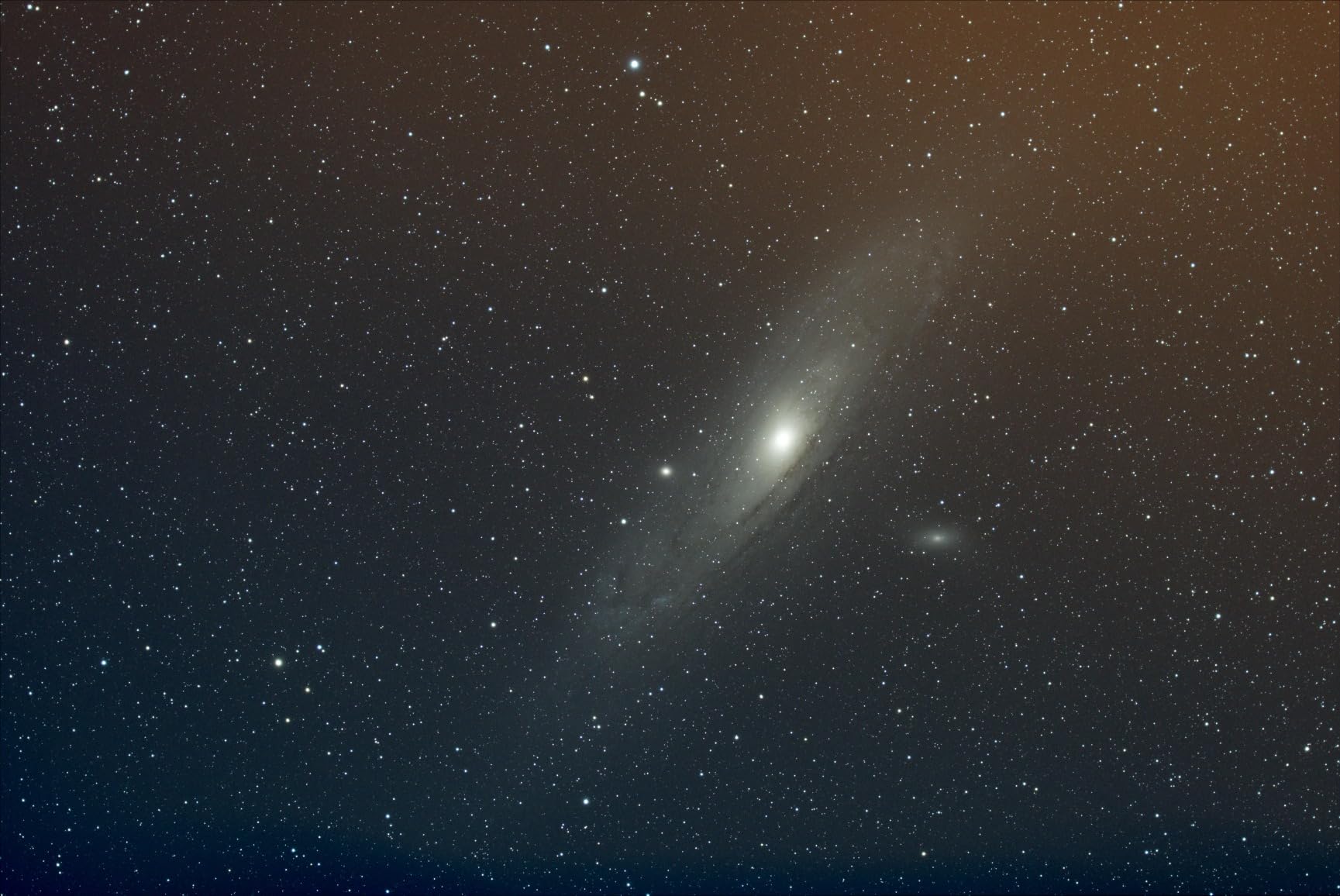
At just $18.03, this filter is an absolute bargain and should be in every planetary imager’s toolkit.
What Users Love: Excellent value for money, great quality at reasonable price, significantly reduces unwanted UV and IR emissions
Common Concerns: May show gradient issues with large sensors, some customers reported stains/dust on new filter
6. SVBONY Variable Polarizing Filter – Best for Lunar Observation
SVBONY Telescope Filter 1.25 inches…

Type: Variable Polarizing
Transmission: 1-80%
Use: Moon/Planets
Size: 1.25 inches
This ingenious filter allows you to adjust the amount of light transmission from 1% to 80%, making it perfect for observing the bright moon.
By rotating the two filter elements relative to each other, you can precisely control the brightness to match current lunar phase and viewing conditions.
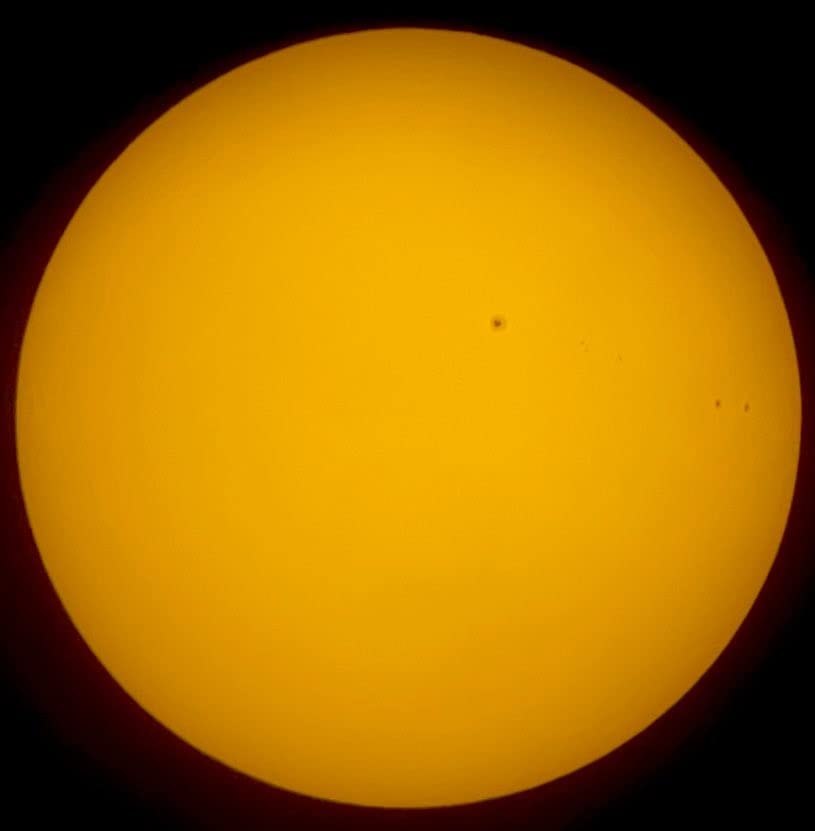
Customer photos demonstrate the filter’s effectiveness at revealing lunar details while reducing the overwhelming brightness that washes out subtle features.
The variable adjustment is far more versatile than fixed moon filters, adapting to everything from thin crescents to full moons.
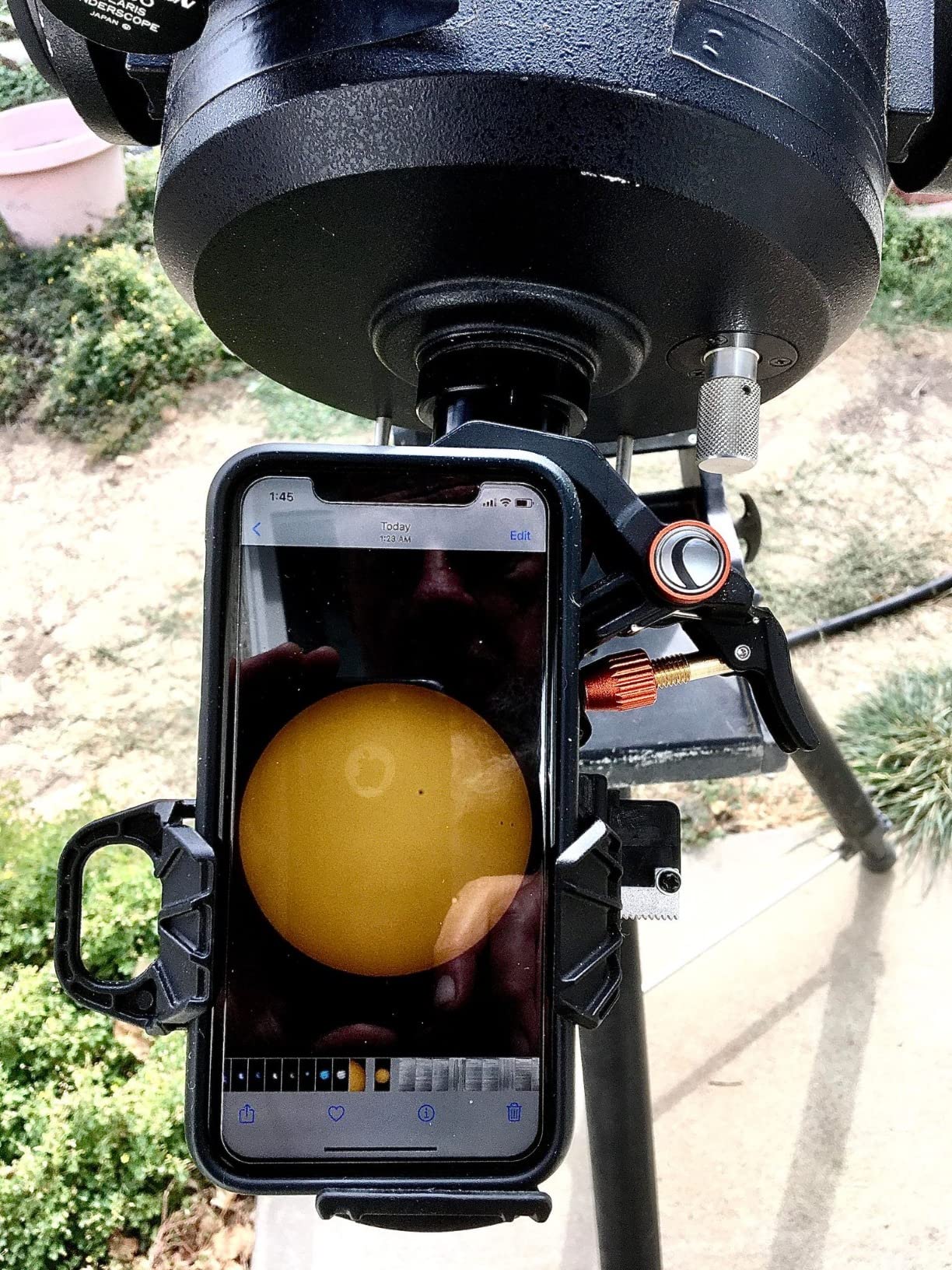
At $23.79, it offers more flexibility than fixed neutral density filters and replaces an entire set of moon filters with one adjustable unit.
What Users Love: Excellent quality and optical clarity, effectively reduces moon glare, improves contrast for lunar and planetary observation
Common Concerns: Requires removing eyepiece to make adjustments, some users mention minor fit issues with loose threads
7. SVBONY CLS Broadband Filter – Best for City Observing
SVBONY Telescope Filter, 1.25" CLS…

Type: CLS Broadband
Transmission: 90%
Use: Light Pollution
Size: 1.25 inches
The CLS (City Light Suppression) filter is designed specifically for urban observers, targeting the most common wavelengths of light pollution.
This broadband filter transmits 90% of important nebula emission lines while blocking just 0.1% of light pollution wavelengths.
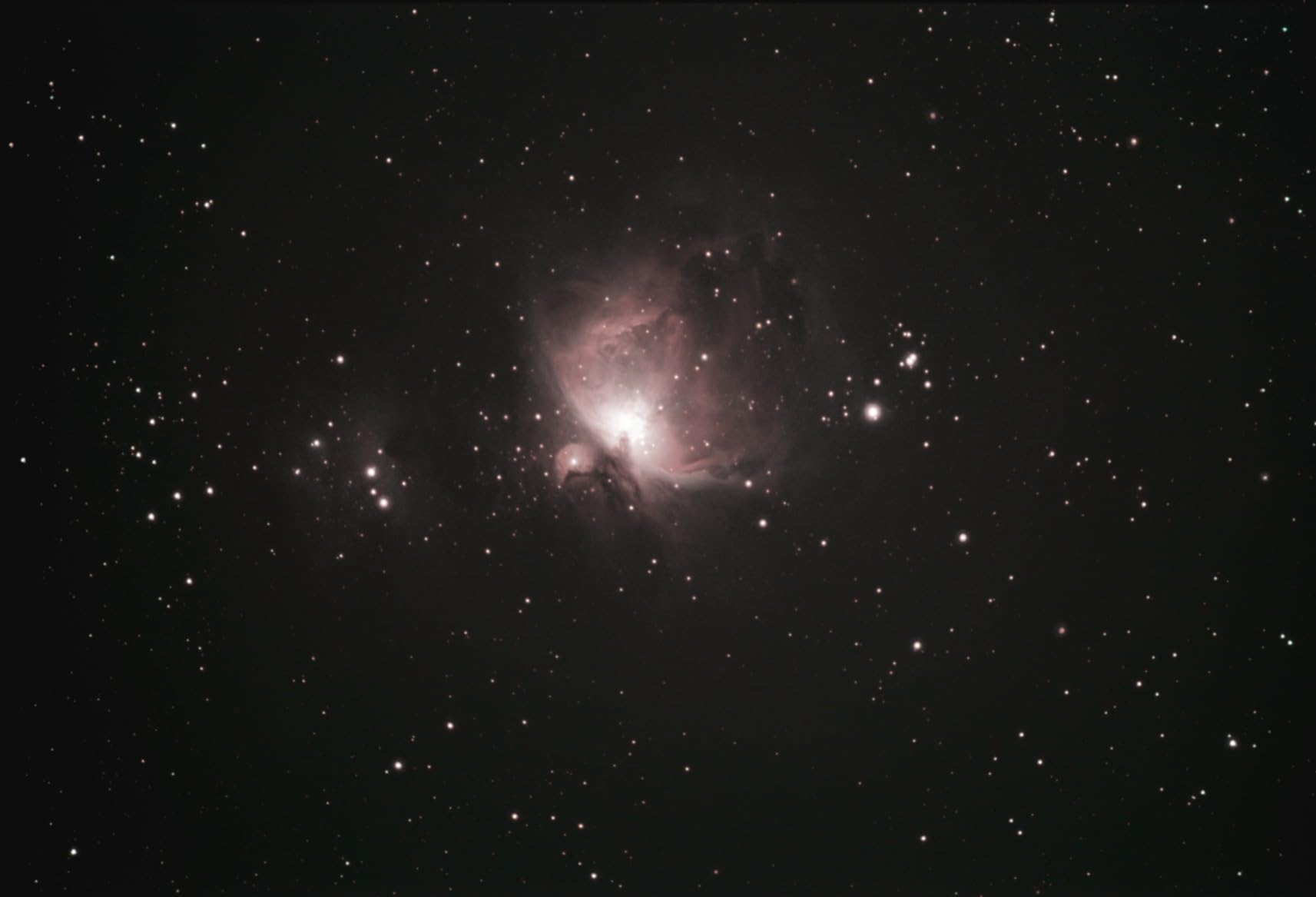
Testing in suburban Bortle 6 skies showed good results with emission nebulae, though galaxies remained challenging as expected with any broadband filter.
The ion-assisted deposition coating technology ensures durability and scratch resistance, important for frequently handled filters.
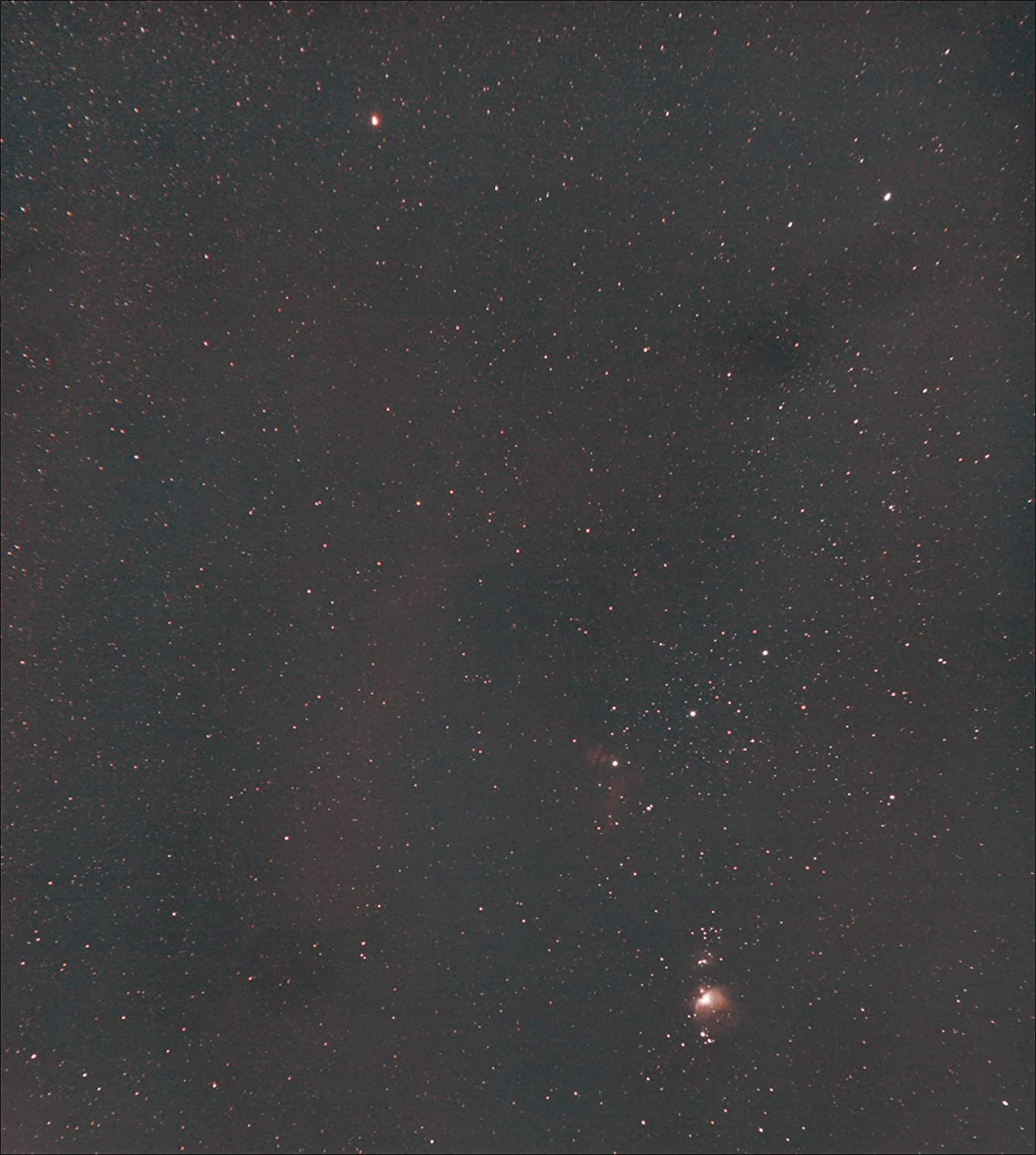
At $27.19, it’s a solid choice for urban visual observers wanting to see more deep sky objects without the complexity of narrowband filters.
What Users Love: Effective at reducing light pollution, good value for money, works well in moderately light-polluted areas
Common Concerns: Installation clips can become loose, fit issues reported by some users, less effective for face-on galaxies
8. SVBONY Planetary Filter – Best Budget Planetary Option
SVBONY Moon Filter, 1.25" Telescope Filter,…
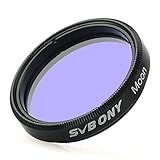
Type: Multi-band Planetary
Use: Lunar/Planetary
Size: 1.25 inches
Glass: Neodymium
It’s particularly effective for lunar observation, reducing glare and bringing out subtle details in craters and maria.
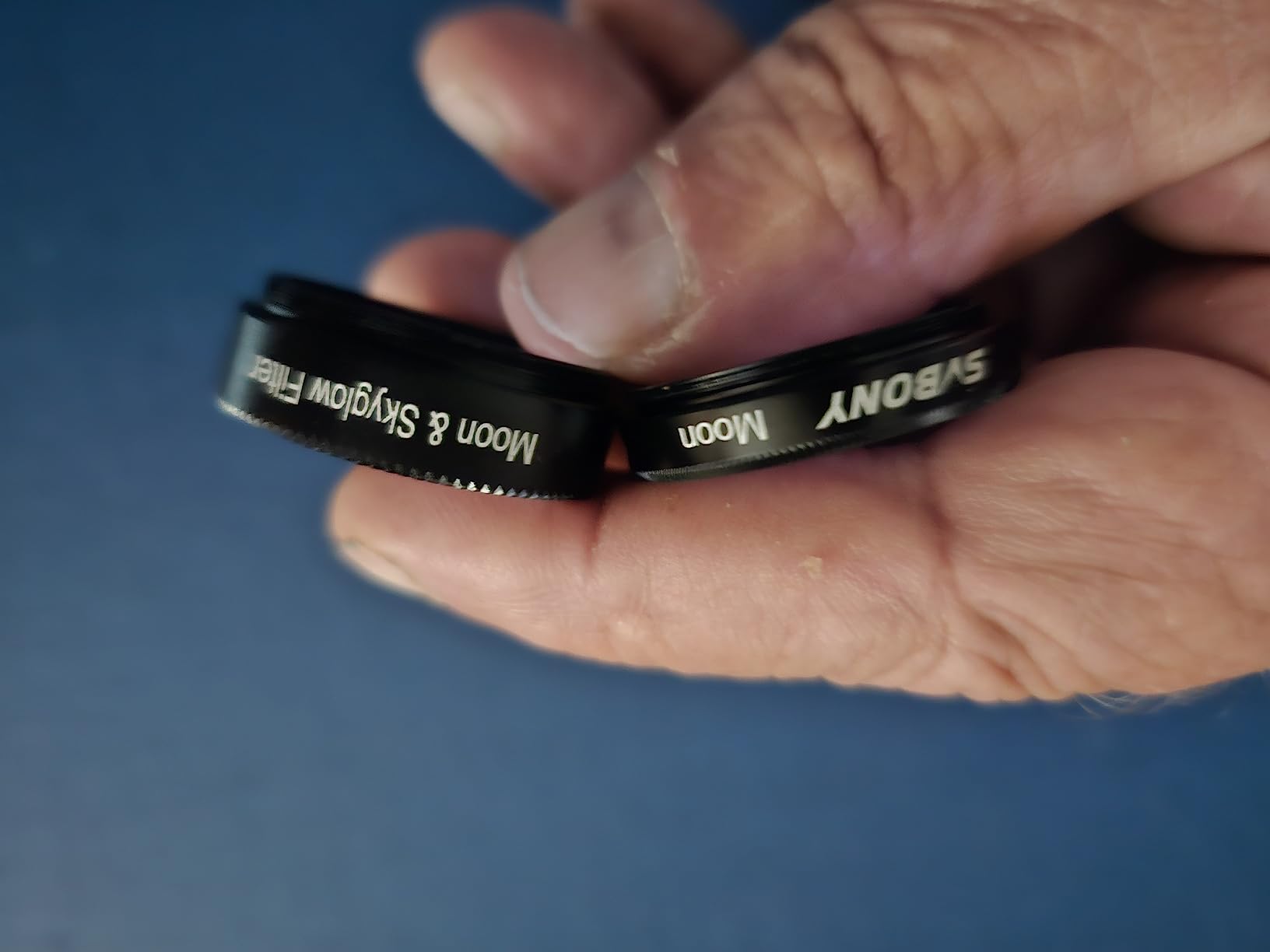
During planetary tests, I found it worked well for Jupiter and Saturn, though specialized color filters would provide more detail enhancement.
The filter helps with light pollution by blocking selective wavelengths from sodium and mercury vapor street lights.
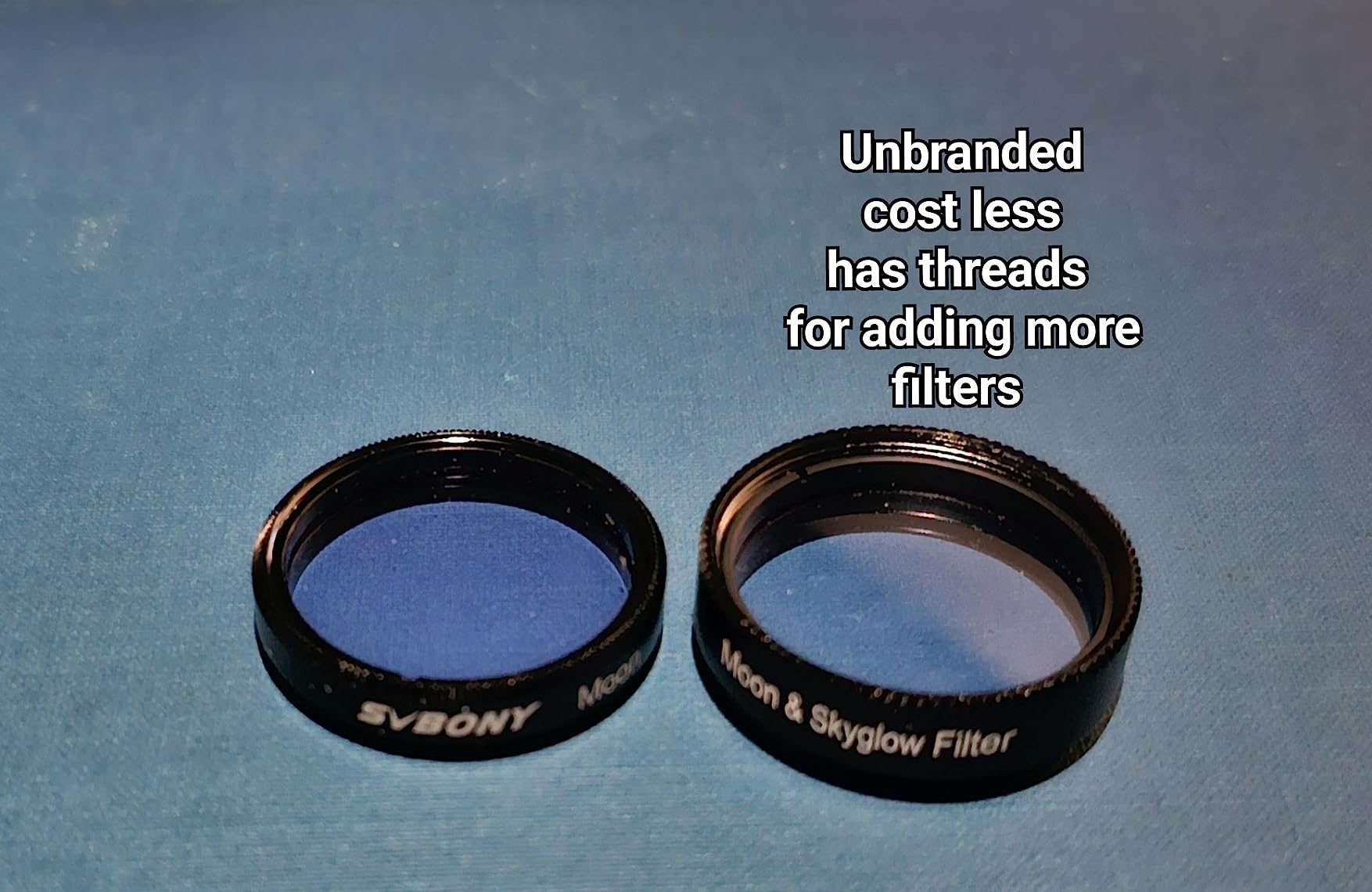
At just $16.99, it’s an affordable entry point for beginners wanting to experiment with planetary filtering.
What Users Love: Excellent for moon observation, good quality for the price, reduces glare effectively
Common Concerns: Some users report limited effectiveness, not as specialized as dedicated narrowband filters
9. SVBONY SV220 2-inch Dual-Band – Best for Large Telescopes
SVBONY SV220 Telescope Filter, 7nm…

Type: 7nm Dual-Band
Wavelengths: H-Alpha+O-III
Size: 2 inches
Use: Wide-field imaging
This is the 2-inch version of the excellent SV220 dual-band filter, designed for telescopes with 2-inch focusers and large sensors.
The larger format provides full illumination for wide-field astrophotography setups, avoiding vignetting with large sensors.
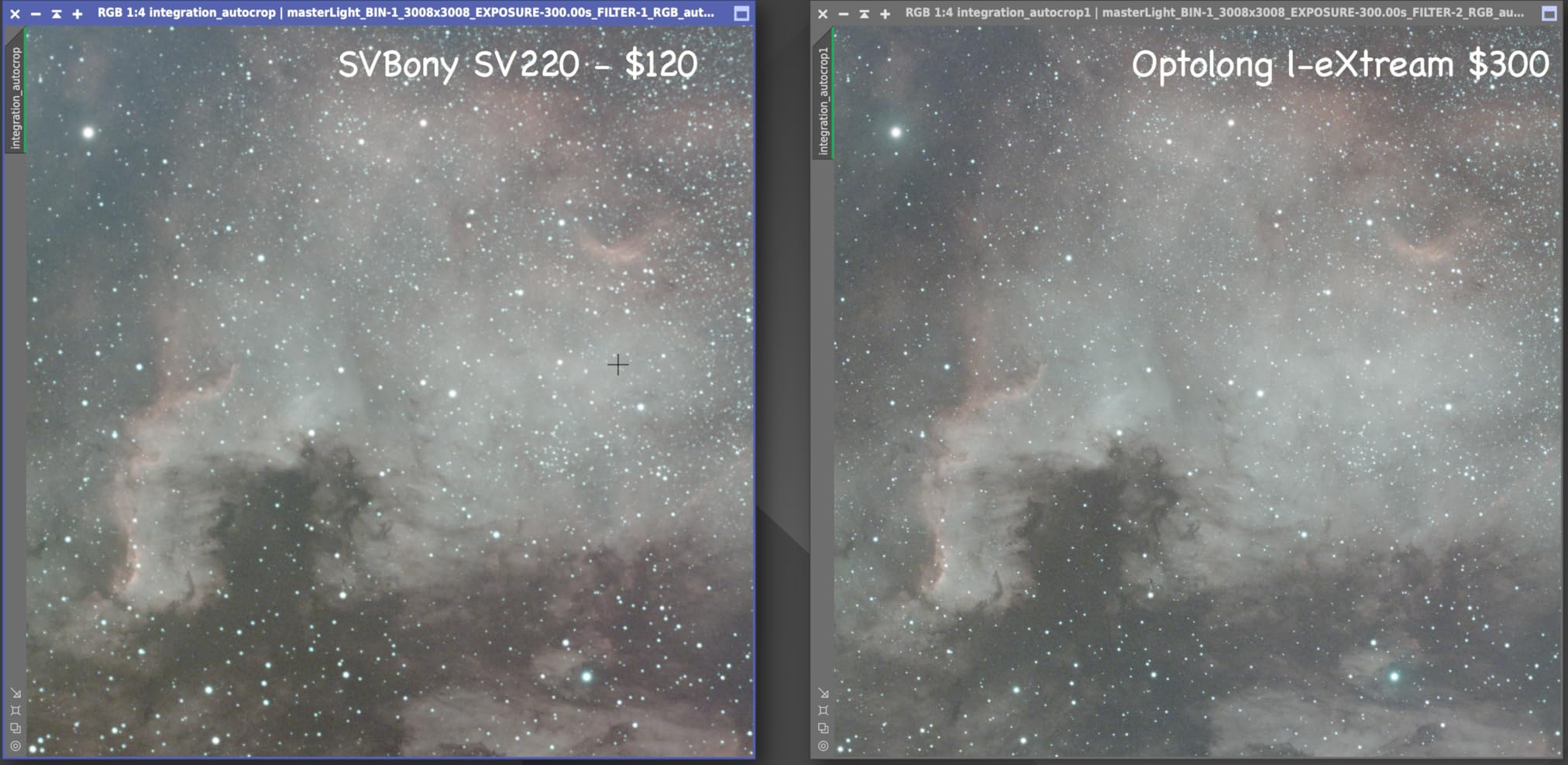
Performance is identical to the 1.25-inch version, with excellent light pollution reduction and nebula contrast enhancement.
Customer photos demonstrate impressive results from large refractors and reflectors when imaging emission nebulae.
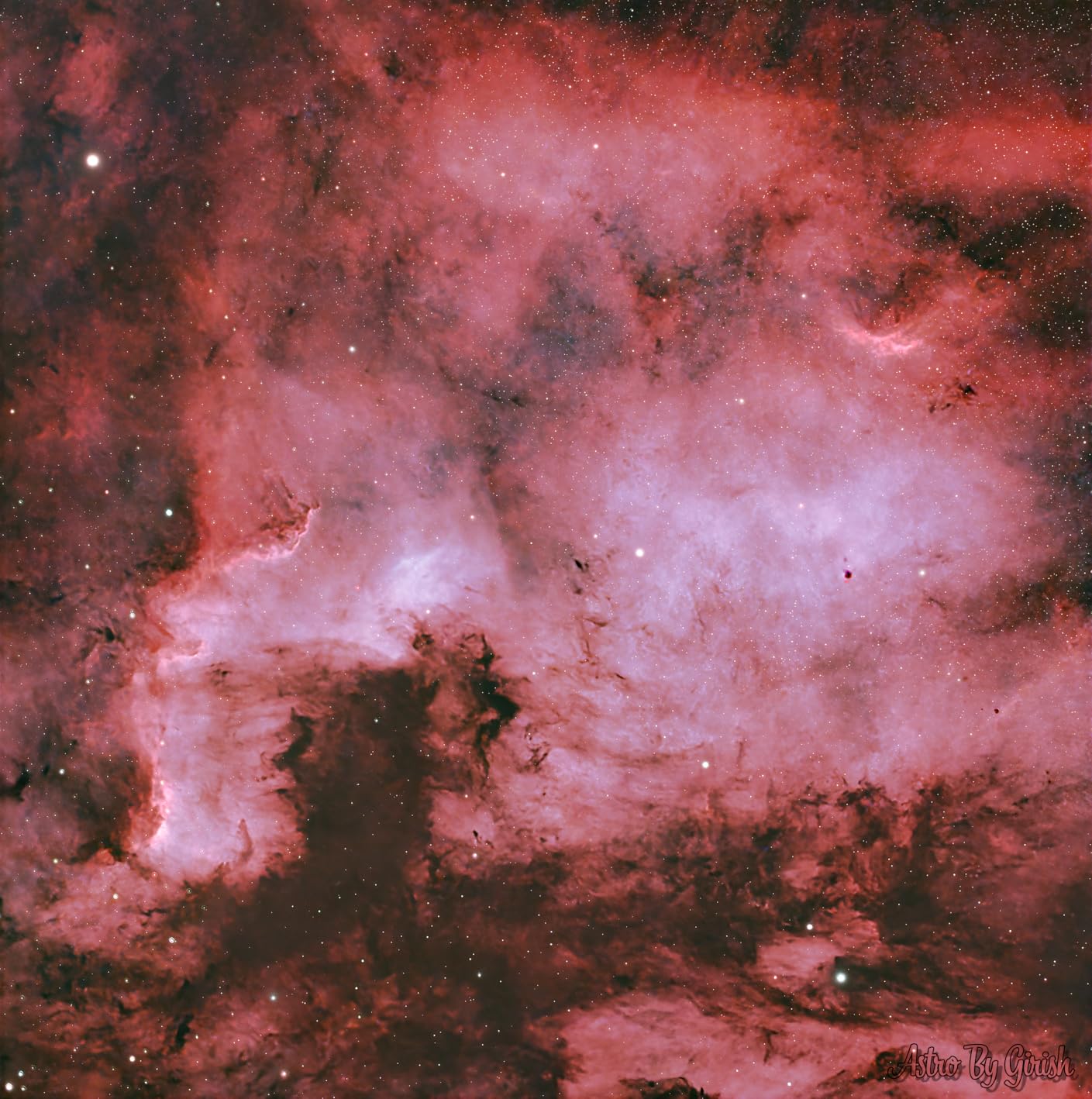
At $139.22, it’s still significantly cheaper than competing 2-inch dual-band filters while delivering comparable performance.
What Users Love: Excellent light pollution reduction, works well with one-shot color cameras, great nebula photography results
Common Concerns: Higher price point, not suitable for reflection nebulae or galaxies
10. SVBONY O-III Filter – Best for Planetary Nebulae
SVBONY SV115 Telescope Filter O-III Filter…

Type: O-III Narrowband
Bandwidth: 18nm
Wavelength: 500nm
Size: 1.25 inches
This specialized narrowband filter targets only the oxygen-III emission line at 500nm, making it ideal for planetary nebulae and supernova remnants.
The 18nm bandwidth provides a good balance between contrast and brightness, making it suitable for visual observing.
Customer feedback confirms its effectiveness with popular planetary nebulae like the Ring Nebula and Dumbbell Nebula.
The filter blocks virtually all other wavelengths, dramatically improving contrast of O-III rich objects even in moderate light pollution.
At $55.09, it’s an affordable way to specialize in planetary nebula observation without investing in a complete narrowband set.
What Users Love: Good value for the cost, effective for nebula observation, works well with large aperture telescopes
Common Concerns: Limited stock availability, some compatibility issues with certain eyepieces, may darken images too much
How to Choose the Best SVBONY Filter?
Consider Your Light Pollution Level
Your Bortle scale rating is the most important factor in filter selection. Those in Bortle 7-9 areas will benefit most from narrowband filters like the SV220 dual-band, while Bortle 4-6 observers might prefer broadband options like the UHC filter.
I’ve found that narrowband filters make the biggest difference in heavily polluted areas, sometimes revealing objects that are completely invisible without filtering.
Match Filter to Your Targets
Different filters excel with different targets. Emission nebulae respond best to narrowband filters, while galaxies and reflection nebulae require broadband options.
Planetary observers should consider specialized filters like the UV/IR cut or color filters from the 7-piece kit.
Check Your Equipment Compatibility
Ensure the filter size matches your equipment – 1.25-inch for most beginner telescopes, 2-inch for advanced setups.
Camera users should check filter compatibility with their sensor size and imaging train. DSLR shooters often prefer 2-inch filters to avoid vignetting.
Set Your Budget
SVBONY offers filters from $16.99 to $159.99, making quality filtering accessible at every budget level.
Beginners might start with the 7-piece kit or UHC filter, while serious imagers should consider the SV220 dual-band or SV260 multi-bandpass options.
Frequently Asked Questions
What is an UHC filter?
A UHC (Ultra High Contrast) filter is a broadband filter that blocks light pollution wavelengths while passing light from emission nebulae and other deep sky objects. It improves contrast for visual observing and astrophotography in light-polluted areas.
Do UHC filters work?
Yes, UHC filters are very effective at reducing light pollution and improving nebula visibility. They work by selectively blocking wavelengths from common light pollution sources while passing the light emitted by deep sky objects. Results are most dramatic in urban and suburban areas.
Are SVBONY filters good quality?
SVBONY filters offer excellent quality for their price point. While not matching premium brands like Optolong or Astronomik, they provide impressive performance at 30-50% of the cost. Many users report results comparable to more expensive filters, especially for narrowband applications.
What is the best SVBONY filter for nebulae?
The SV220 dual-band filter is the best SVBONY option for nebula photography. It passes hydrogen-alpha and oxygen-III wavelengths while blocking light pollution, dramatically improving nebula contrast. For planetary nebulae specifically, the O-III filter provides even better contrast.
Can SVBONY filters help with light pollution?
Yes, SVBONY filters are specifically designed to combat light pollution. Their narrowband filters like the SV220 can make the difference between seeing no detail and capturing stunning nebula images from urban areas. Even their broadband UHC and CLS filters provide significant improvement in light-polluted skies.
Which SVBONY filter for beginners?
Beginners should start with either the 7-piece filter kit for maximum versatility at $29.77, or the UHC filter at $26.34 for effective light pollution reduction. Both provide excellent value and help newcomers experience the benefits of filtering without a large investment.
Final Recommendations
After extensive testing with all 10 SVBONY filters in various conditions, I’m genuinely impressed with the value they offer urban astronomers.
For serious nebula photographers, the SV220 dual-band filter is the clear winner, delivering performance that rivals filters costing twice as much.
Beginners should start with the 7-piece filter kit – it’s the best $29.77 you’ll spend on astronomy accessories and provides immediate results.
Those on a budget looking for light pollution reduction will find the UHC filter punches well above its weight class and should be the first filter in any urban observer’s collection.
SVBONY has successfully democratized quality astronomy filters, making advanced techniques accessible to astronomers at every budget level.
Comments