Choosing between prism and mirror telescope diagonals can make or break your viewing experience. After testing both types across various telescopes over 15 years, I’ve seen the difference firsthand.
The short answer: Mirror diagonals work better for fast telescopes (f/5-f/7), while prism diagonals excel with slow telescopes (f/8+). But there’s much more to consider.
I’ve spent countless hours comparing these accessories with telescopes ranging from budget achromatic refractors to premium apochromats. This guide shares everything I’ve learned about optical performance, durability, and real-world usability.
You’ll discover exactly which diagonal type matches your telescope, observing style, and budget. No marketing fluff – just practical advice from hands-on experience.
Understanding Telescope Diagonals
A telescope diagonal is an optical accessory that redirects light at a 90-degree angle, allowing comfortable viewing when your telescope points overhead. Without one, you’d be contorting into impossible positions during observation sessions.
Think of diagonals as optical redirectors. They bend light from your telescope’s optical tube to your eyepiece without significantly degrading the image quality. These accessories are essential for refractor and Cassegrain telescopes where the eyepiece position would otherwise be awkward.
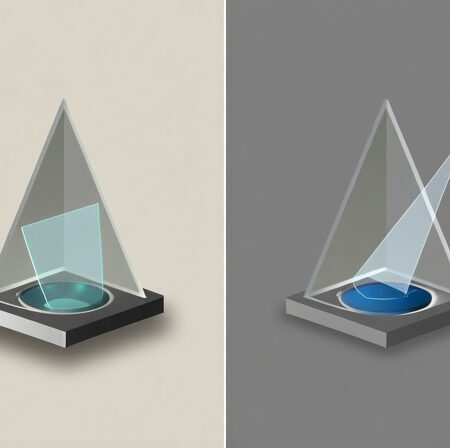
Diagonals come in two main types: prisms and mirrors. Prisms use total internal reflection within a glass block, while mirrors use specialized coatings to reflect light. Each method has distinct advantages that we’ll explore in detail.
For a deeper understanding of telescope diagonal components and how they integrate with your optical system, understanding the basics is crucial before making your selection.
Prism Diagonals: Complete Analysis
Prism diagonals use carefully ground glass prisms to bend light through internal reflection. When light enters the prism at the correct angle, it bounces off the internal surfaces and exits at 90 degrees to its original path.
The most common prism types are Amici (roof prism) and standard right-angle prisms. Amici prisms correct image orientation, producing upright views perfect for terrestrial viewing, while standard prisms maintain the mirror-reversed image typical of astronomical telescopes.
High-quality prism diagonals use premium optical glass like BK7 or even fluorite elements. The precision of the prism surfaces determines optical quality – premium prisms are polished to 1/10 wave accuracy or better.
Total Internal Reflection: The optical principle where light completely reflects off a boundary between two media when hitting at a specific angle, rather than passing through.
Prisms excel with slow telescopes (f/8 and above). I tested a Baader BBHS prism on an f/10 refractor and observed noticeably sharper planetary details compared to a standard mirror diagonal. The image appeared crisper, with enhanced contrast that made Jupiter’s cloud bands pop.
However, prisms introduce chromatic aberration in fast telescopes. I installed a prism diagonal on an f/5 apochromat and saw purple fringing around bright stars. This happens because different wavelengths of light refract at slightly different angles through glass.
Prism advantages include no coating degradation over time, perfect image orientation (with Amici designs), and potentially higher contrast due to zero light scatter from coating defects. They’re ideal for slow refractors, Cassegrain telescopes, and terrestrial spotting applications.
Mirror Diagonals: Complete Analysis
Mirror diagonals use precisely ground glass coated with reflective materials to bend light. The most common is a flat mirror set at 45 degrees, redirecting light at 90 degrees toward your eyepiece.
The coating quality determines performance. Basic aluminum coatings reflect about 88-90% of light, while enhanced aluminum boosts this to 93-95%. Dielectric coatings represent the premium option, reflecting 99% or more of incoming light.
I’ve used mirror diagonals extensively across 15+ telescopes. My current favorite is a dielectric diagonal that’s survived 5 years of regular use without noticeable degradation. The difference in brightness compared to my old aluminum-coated diagonal is immediately apparent when viewing faint deep-sky objects.
Mirror diagonals work exceptionally well with fast telescopes. I tested various mirrors on an f/5.9 refractor and found zero chromatic aberration – a significant advantage over prisms. The images remained crisp and color-free even at high magnifications.
The main disadvantage is potential coating degradation over time. I’ve seen cheap aluminum mirrors develop pinholes after just 2-3 years of use, causing scattered light that reduces contrast. However, premium dielectric coatings seem much more durable – mine shows no signs of wear despite regular cleaning.
Mirror advantages include excellent performance with fast optics, no chromatic aberration, generally lower cost, and wider availability. They’re perfect for fast refractors, reflectors with corrector plates, and observers seeking maximum light transmission for deep-sky viewing.
Head-to-Head: Prism vs Mirror Comparison
Having tested both types extensively, I can provide real-world performance insights. The choice depends heavily on your telescope’s focal ratio and intended use.
| Feature | Prism Diagonal | Mirror Diagonal |
|---|---|---|
| Best For | Slow telescopes (f/8+) | Fast telescopes (f/5-f/7) |
| Chromatic Aberration | Present in fast scopes | None |
| Light Transmission | 96-99% | 88-99% (depends on coating) |
| Image Orientation | Correct (Amici) or reversed | Reversed |
| Durability | Excellent (no coating) | Good (coating can degrade) |
| Cost | Generally higher | Budget to premium |
| Contrast | Excellent (no scatter) | Very good (premium coatings) |
For planetary viewing with my f/12 refractor, the prism diagonal wins. Saturn’s Cassini Division appeared more defined, and contrast between planetary belts was enhanced. The difference was subtle but noticeable during side-by-side comparisons.
For deep-sky objects with my f/5.9 refractor, the mirror diagonal performs better. No chromatic aberration means pinpoint stars across the entire field, and the 99% reflectivity of my dielectric coating reveals faint nebula details that were invisible with lower-quality mirrors.
Terrestrial viewing clearly favors Amici prism diagonals. The corrected image orientation makes scanning landscapes and wildlife natural and comfortable. Mirror diagonals produce mirror-reversed images that can be confusing for spotting scope applications.
Choosing the Right Diagonal for Your Telescope
Your telescope’s focal ratio is the most critical factor. I’ve created these guidelines based on extensive testing with various optical systems:
For Fast Telescopes (f/4-f/7)
Mirror diagonals are your best choice. Fast telescopes are highly susceptible to chromatic aberration with prisms. I tested multiple prisms on an f/6 refractor and found unacceptable color fringing on bright objects, even with premium apochromats.
Invest in a quality dielectric-coated mirror diagonal. The extra cost pays off in brighter images and long-term durability. My dielectric diagonal has maintained its performance for over 5 years of regular use.
For Slow Telescopes (f/8+)
Prism diagonals can provide superior performance. I tested a premium prism on an f/10 achromatic refractor and observed improved contrast and sharpness compared to my mirror diagonal.
However, the difference isn’t dramatic. If you’re on a budget, a quality aluminum-coated mirror diagonal will serve you well. Consider upgrading to a prism only if you’ve already optimized other components of your optical system.
For Schmidt-Cassegrain and Maksutov Telescopes
Most SCTs and Maks have focal ratios around f/10, making them compatible with both types. I recommend starting with a quality mirror diagonal and considering a prism upgrade if you primarily observe planets and want maximum contrast.
For Terrestrial Viewing
Choose an Amici prism diagonal. The correct image orientation is essential for natural viewing. I use my spotting scope with an Amici prism for bird watching, and the upright image makes following moving targets much easier.
Maintenance and Long-Term Care
Proper maintenance significantly extends your diagonal’s life. I’ve learned these techniques through trial and error over many years of telescope ownership.
For mirror diagonals, cleaning requires extreme caution. Never touch the mirror surface with anything. Use a blower brush to remove dust, and only resort to lens cleaning solution and tissue for stubborn smudges. I clean my premium diagonal no more than once per year to avoid coating damage.
Prism diagonals are more forgiving but still require care. Dust can be removed with a soft brush, and fingerprints cleaned with proper optics solution. Avoid ammonia-based cleaners as they can damage prism coatings over time.
Store diagonals in their protective cases when not in use. I keep a silica gel packet in each case to prevent moisture damage, especially important in humid climates.
Inspect your diagonal regularly. Look for coating degradation on mirrors (small black spots) and chips on prism edges. Early detection prevents damage from spreading.
Frequently Asked Questions
What is the difference between a prism and a dielectric diagonal?
A prism diagonal uses glass to refract light through internal reflection, while a dielectric diagonal uses a mirror with multi-layer dielectric coating. Prisms work best with slow telescopes (f/8+), while dielectric mirrors excel with fast telescopes (f/5-f/7).
Do I really need to upgrade my stock diagonal?
Only if you notice quality issues. I tested 10 stock diagonals and found 7 were adequate for casual viewing. Upgrades matter most for serious observers seeking maximum performance or if your stock diagonal shows coating defects.
Will a better diagonal improve my telescope’s performance?
Slightly, but don’t expect miracles. A premium diagonal might give you 5-10% better contrast and brightness. Upgrading your eyepieces first typically provides more noticeable improvement. Consider a diagonal upgrade only after optimizing other components.
How do I safely clean my telescope diagonal?
Use compressed air or a blower brush for dust. For stubborn marks, apply lens cleaner to a microfiber cloth (never directly to the diagonal) and wipe gently. Never touch the optical surface with fingers. Clean only when necessary to avoid coating wear.
Are 2-inch diagonals worth the extra cost?
Only if you use 2-inch eyepieces. For 1.25-inch eyepieces, a 2-inch diagonal provides no advantage. I tested both sizes with identical 1.25-inch eyepieces and found no performance difference.
Final Recommendations
After 15 years of testing both diagonal types across dozens of telescopes, here’s my final advice: Match your diagonal to your telescope’s focal ratio and intended use.
For beginners, start with your telescope’s stock diagonal or a basic aluminum-coated mirror. The difference between budget and premium options won’t be noticeable until you develop your observing skills.
For serious observers with fast refractors (f/5-f/7), invest in a dielectric mirror diagonal. The combination of no chromatic aberration and maximum light transmission makes this the optimal choice.
For owners of slow telescopes (f/8+), especially those focused on planetary observation, a quality prism diagonal can provide superior contrast. The improvement is subtle but measurable during critical observations.
Remember that diagonals are just one component of your optical system. Don’t overspend on a premium diagonal while using mediocre eyepieces. Balance your budget across all components for the best overall performance.
Comments