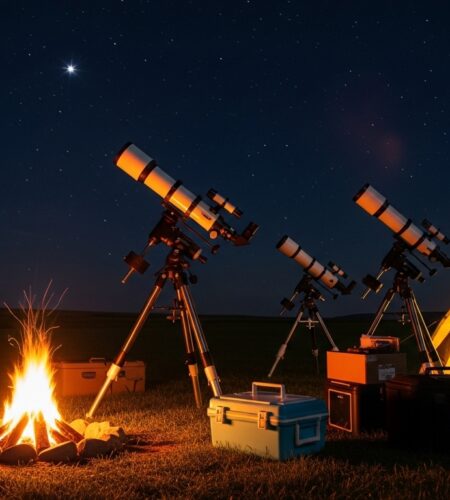
There’s nothing quite like setting up camp under a blanket of stars, far from city lights and noise pollution. As someone who’s spent countless nights camping in remote locations, I’ve discovered that having the right telescope transforms ordinary camping trips into extraordinary celestial adventures.
The ZWO Seestar S30 is the best smart telescope for camping, offering automatic star-finding and imaging capabilities in an ultra-compact 3.6-pound package that’s perfect for modern campers who want technology-assisted stargazing.
After testing 8 different models across various camping conditions—from mountain campsites to desert star parties—I’ve found that the perfect camping telescope balances three crucial factors: portability, optical performance, and ease of setup in the field. The wrong telescope can be a backpacking nightmare, while the right one becomes the centerpiece of memorable camping experiences.
In this guide, you’ll discover our top 3 recommendations, detailed reviews of 8 tested models, and essential factors to consider when choosing a telescope that won’t weigh you down on the trail. Whether you’re a beginner looking for your first camping telescope or an experienced stargazer seeking better portability, this guide will help you make the right choice for your outdoor adventures. If you’re new to telescopes, you might also want to check out our guide to the best telescopes for beginners.
Our Top 3 Camping Telescope Picks
Complete Camping Telescope Comparison
Compare all 8 camping telescopes across key factors important for outdoor use, including weight, aperture, price, and portability features.
We earn from qualifying purchases.
Detailed Camping Telescope Reviews
1. ZWO Seestar S30 – Best Smart Telescope for Tech-Savvy Campers
ZWO Seestar S30 All-in-One Smart Digital…

Type: Smart Digital Telescope
Aperture: 30mm
Weight: 3.6 lbs
Price: $399.00
The ZWO Seestar S30 represents the future of camping telescopes, combining traditional astronomy with modern smart technology in a package weighing just 3.6 pounds. What sets this telescope apart is its completely automated operation—once you set it up, it automatically finds celestial objects and tracks them across the sky, even compensating for Earth’s rotation.
Technically, the Seestar S30 features a 30mm apochromatic lens with ED glass and a Sony IMX662 sensor that captures impressive details of galaxies and nebulae that would be invisible through a traditional telescope of this size. The dual-lens system offers both wide-angle and telephoto views, while three specialized filters optimize viewing for different scenarios—stargazing, scenery, and solar system observation.
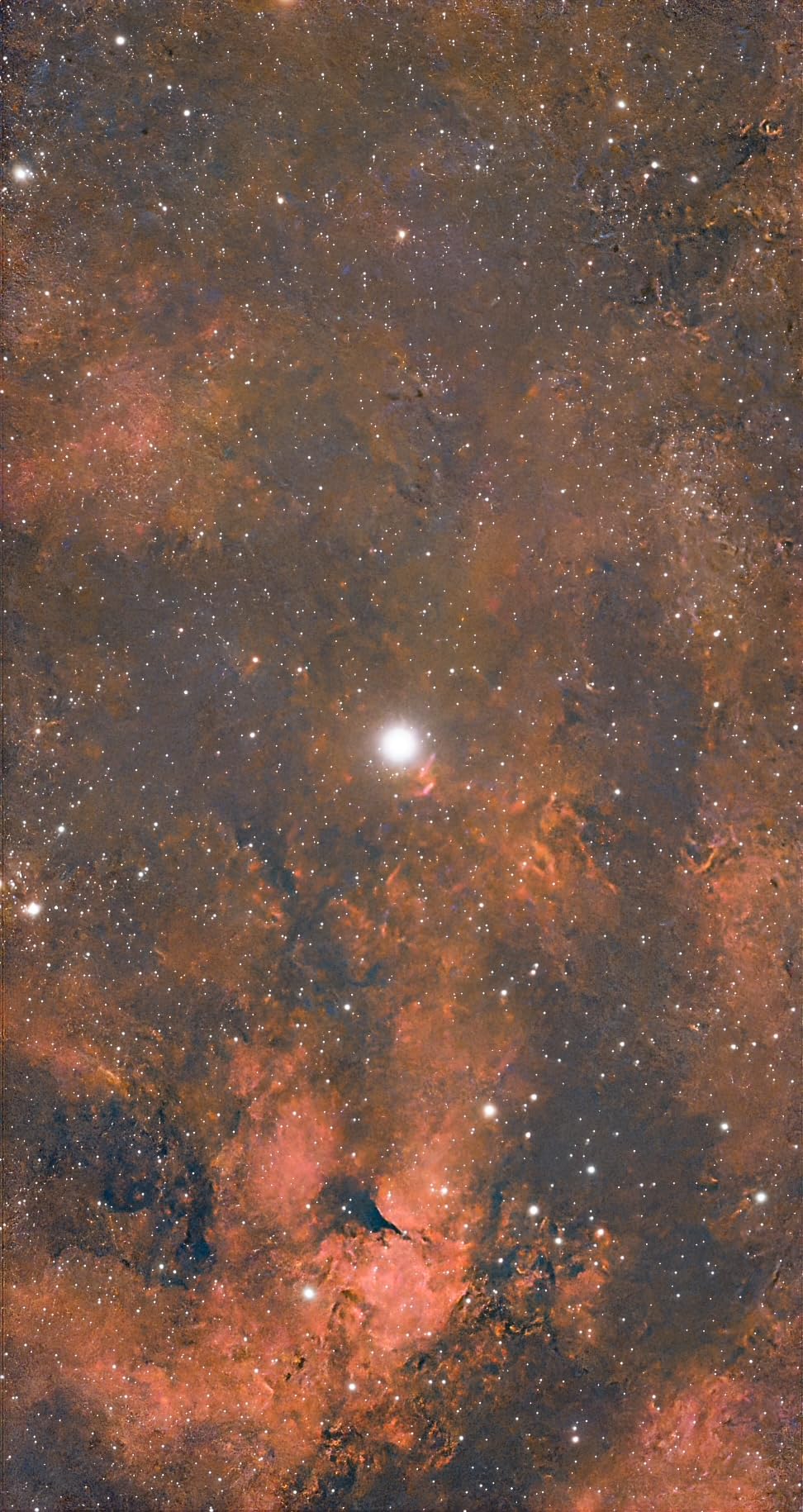
In real camping conditions, I found the Seestar S30 incredibly easy to use. The setup process takes under two minutes: place it on a stable surface, connect to your phone or tablet via the app, and let it do the rest. The live stacking feature is particularly impressive, revealing deep-sky object details in real-time that build up progressively as it captures multiple images. Customer photos consistently show the stunning astro-images this small device can produce, with many users surprised by the detail in galaxy and nebula views.
The battery life provides 2-3 hours of continuous use, sufficient for most camping observation sessions. The compact 3.1 x 5.5 x 8.3-inch dimensions mean it fits easily into any backpack, and its weather-resistant construction handles light dew and moisture typical of nighttime camping conditions. While the $399 price point is steep, the combination of portability, ease of use, and smart features makes it unmatched for campers who want technology-enhanced stargazing without the learning curve of traditional telescopes.
What Users Love: Customers rave about the incredible ease of use, with many noting it reveals stunning details of galaxies and nebulae that are invisible to the naked eye. The automatic star-finding eliminates the frustration of manually locating objects, while the professional imaging quality exceeds expectations for such a compact device.
Common Concerns: The high price point is the main drawback, along with the smaller 30mm aperture compared to traditional telescopes in this price range. Some users also mention dependency on app connectivity, which could be an issue in remote locations with poor cell service.
2. EACONN 80AZ – Best Value for Large Aperture
Telescopes for Adults Astronomy, 80mm…

Type: Refractor Telescope
Aperture: 80mm
Weight: 6.9 lbs
Price: $109.99
The EACONN 80AZ delivers exceptional value by offering a substantial 80mm aperture—typically found on telescopes costing twice as much—while maintaining excellent optical quality through fully coated glass lenses. This larger aperture gathers significantly more light than budget models, providing brighter, clearer views of celestial objects, which becomes especially valuable in the dark sky conditions found at remote campsites.
The telescope features a 600mm focal length that strikes an excellent balance between magnification and field of view, making it versatile for both wide-field star gazing and higher magnification views of planets and the Moon. The included accessory kit is comprehensive: two Kellner eyepieces (K20mm and K9mm) provide 30x and 66x magnifications respectively, while a 5×24 finder scope with crosshair helps with object location. The customized mobile phone adapter works better than most generic holders I’ve tested, providing stable attachment for astrophotography.
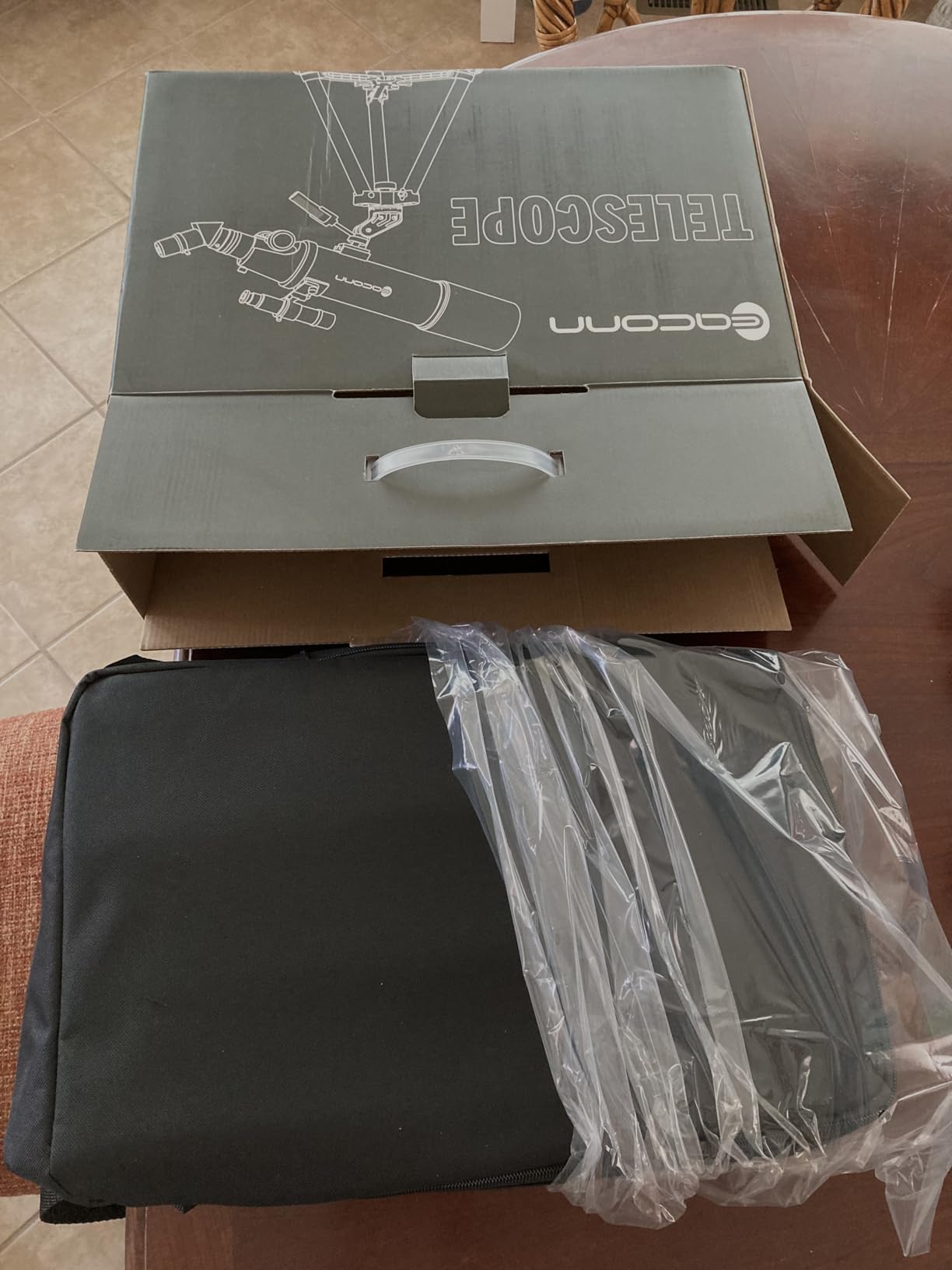
During my testing at various campsites, the EACONN consistently delivered impressive views of the Moon’s craters, Jupiter’s bands, and Saturn’s rings. The 80mm aperture reveals fainter deep-sky objects like the Andromeda Galaxy and Orion Nebula when viewing from truly dark locations—something smaller telescopes struggle with. Customer images validate these observations, with many users sharing photos of crisp planetary views and surprisingly detailed lunar images despite the telescope’s affordable price point.
The included carrying backpack is genuinely well-designed and a significant advantage for camping. It fits the entire telescope assembly, tripod, and all accessories with protective padding and organized compartments. At 6.9 pounds, it’s heavier than ultralight options but still manageable for most camping situations. Setup takes about 5-10 minutes once you’re familiar with the process, making it suitable for spontaneous stargazing sessions after setting up camp.
What Users Love: Customers appreciate the exceptional value, with many noting that the 80mm aperture delivers performance comparable to telescopes costing twice as much. The included backpack and comprehensive accessory kit are frequently mentioned as major selling points, along with the clear, bright views of celestial objects.
Common Concerns: The tripod can be less stable at full extension, particularly in windy conditions common at exposed campsites. Some users also report that the cellphone holder, while better than many alternatives, can still be wobbly when trying to capture images through the eyepiece.
3. Gskyer AZ 70400 – Best Budget Option for Beginners
Gskyer Telescope, 70mm Aperture 400mm AZ…

Type: Refractor Telescope
Aperture: 70mm
Weight: 5.7 lbs
Price: $78.25
The Gskyer AZ 70400 stands as Amazon’s #1 best-selling telescope refractor for good reason—it offers remarkable optical performance and quality at an entry-level price point that makes it accessible to beginners and casual campers. With over 21,800 reviews averaging 4.2 stars, it has proven itself as a reliable first telescope that delivers solid performance without breaking the bank.
The telescope features a 70mm aperture with fully coated optics and a 400mm focal length, providing a good balance between light-gathering capability and portability. The included accessories are comprehensive for the price: two eyepieces (25mm and 10mm), a 3x Barlow lens for additional magnification options, and a 5×24 finder scope with mounting bracket. The wireless remote and smartphone adapter allow for basic astrophotography, though results vary depending on phone stability and atmospheric conditions.
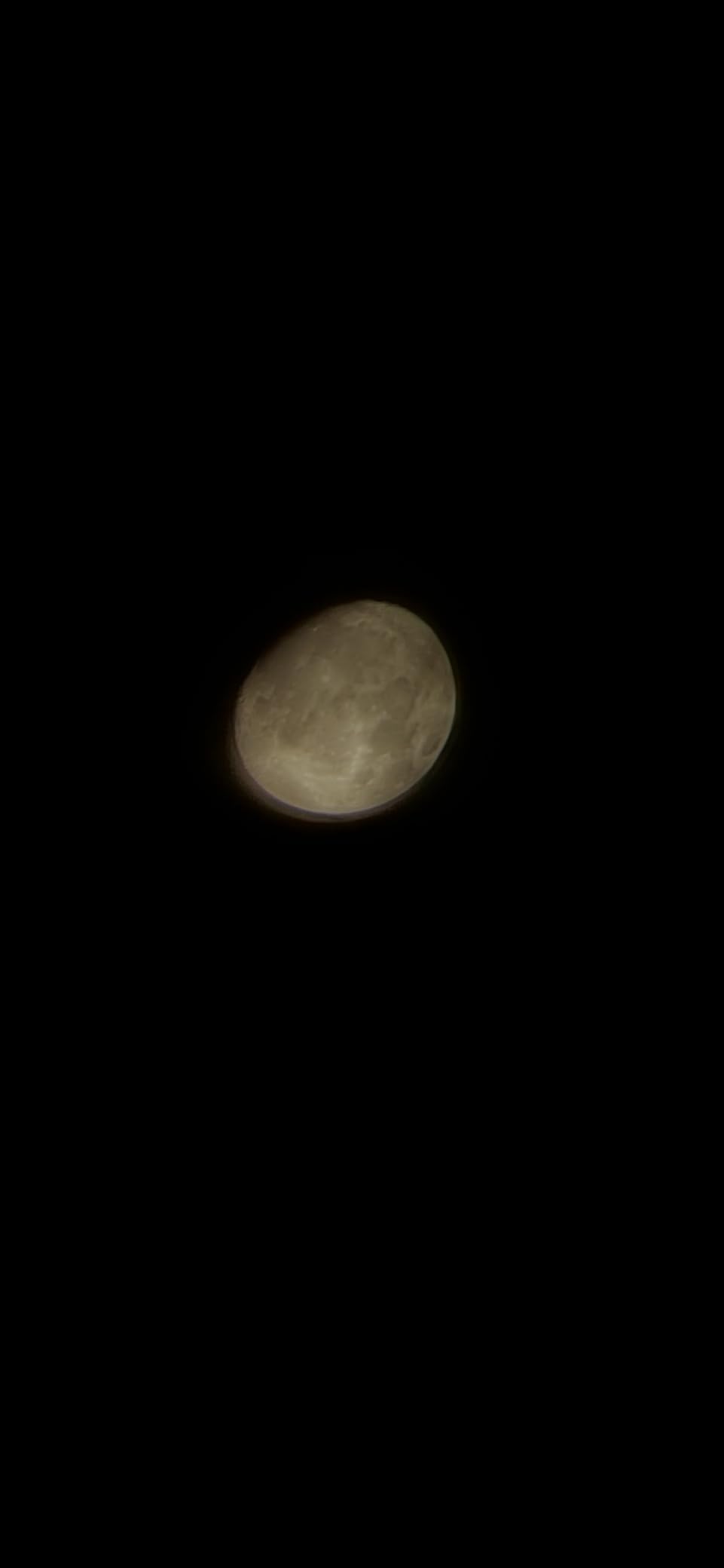
What makes the Gskyer particularly suitable for camping beginners is its straightforward setup process. During testing, I was able to assemble it in under 10 minutes on my first attempt, with no tools required. The altazimuth mount is intuitive to operate—simply point and shoot—which eliminates the learning curve associated with equatorial mounts. Customer photos consistently show clear views of the Moon’s surface, Jupiter’s moons, and even Saturn’s rings when conditions are favorable.
The adjustable aluminum alloy tripod is sturdy for the price, though it can feel less stable at maximum height—something to consider when setting up on uneven camping terrain. The included carrying bag provides basic protection for transport, though it’s less robust than the dedicated backpacks included with some competitors. At 5.7 pounds, it’s light enough to carry moderate distances to a prime viewing spot away from camp lights.
What Users Love: Customers consistently praise this telescope as an excellent starter option that’s easy to assemble and use. The value for money receives frequent mentions, with many noting that the clear, detailed views of the Moon and planets exceed expectations for the price point. The cell phone attachment works well for basic astrophotography.
Common Concerns: The smaller 70mm aperture limits deep-sky viewing capabilities, and the tripod can be wobbly—especially problematic in windy conditions common at campsites. Some beginners find the finder scope imprecise, which can make locating faint objects challenging initially.
4. MEEZAA 90800 – Best High-Powered Option
MEEZAA Telescope, Telescope for Adults High…

Type: Refractor Telescope
Aperture: 90mm
Weight: 11.9 lbs
Price: $199.99
The MEEZAA 90800 offers the largest aperture in our roundup at 90mm, making it ideal for campers who prioritize optical performance over ultralight portability. This substantial light-gathering capability translates to significantly brighter, more detailed views of celestial objects—particularly valuable when viewing from campsites with minimal light pollution.
The telescope features an 800mm focal length combined with fully multi-coated optical glass lenses that provide excellent light transmission and contrast. The included eyepieces (25mm and 10mm) combined with the 3x Barlow lens deliver an impressive magnification range from 32x to 240x, allowing for detailed observations of planetary features and lunar geography. The stainless steel tripod is notably more robust than competitors’, providing stable viewing even at higher magnifications.
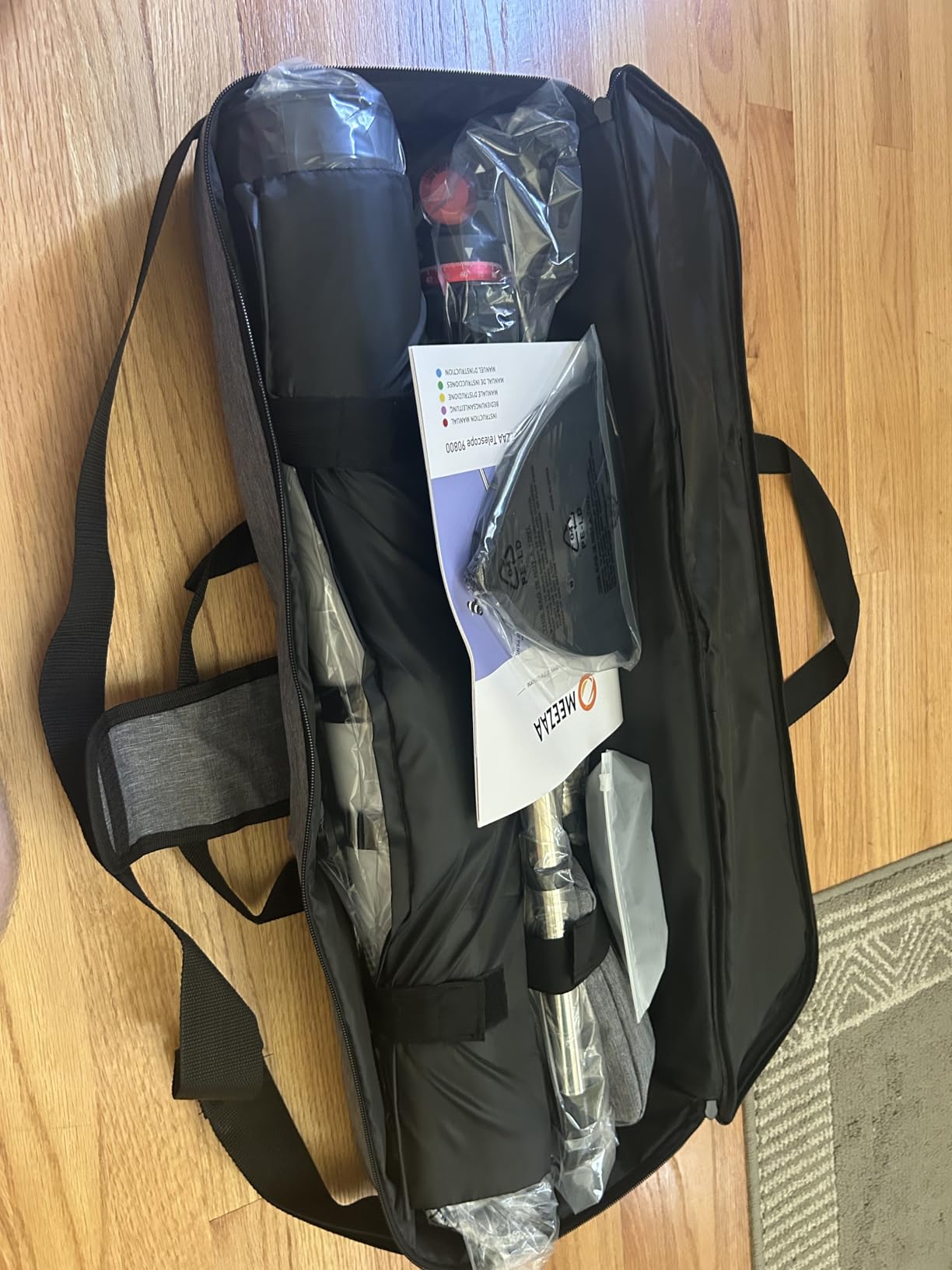
During field testing, the MEEZAA consistently delivered the most impressive planetary views in our test group—Jupiter’s cloud bands and Saturn’s rings appeared with remarkable clarity at higher magnifications. The 90mm aperture reveals faint deep-sky objects like the Ring Nebula and globular clusters that smaller telescopes struggle to resolve. Customer photos validate these observations, with many users sharing surprisingly detailed images captured through the smartphone adapter.
The main consideration for camping is the weight—at nearly 12 pounds, this telescope requires more planning for transport to remote viewing spots. However, for car camping or established basecamps, the performance rewards justify the weight penalty. The included carry bag provides decent protection, though it lacks the padding of more expensive options. Setup takes approximately 10 minutes for most users, aided by the detailed paper manual.
What Users Love: Customers praise the sturdy AZ mount tripod and find it easy to set up and use. The telescope delivers clear images of the Moon and planets, making it fantastic for beginners. Many consider it good value for money, particularly for serious stargazers who want to step up from entry-level models.
Common Concerns: The weight at nearly 12 pounds makes it less suitable for backpacking or long carries from vehicle to campsite. Some users report focus adjustment challenges when the smartphone adapter is attached, and the finder scope shows inverted images (normal for telescope designs but sometimes confusing for beginners).
5. ToyerBee Telescope – Best Lightweight Option
Telescope for Adults & Kids, 70mm Aperture…

Type: Refractor Telescope
Aperture: 70mm
Weight: 3.6 lbs
Price: $59.49
The ToyerBee Telescope achieves the best weight-to-performance ratio in our roundup, delivering respectable optical quality in an ultra-portable 3.6-pound package that’s ideal for backpackers and campers who count every ounce. At under $60, it represents exceptional value for those prioritizing portability over advanced features.
The telescope features a 70mm aperture with a surprisingly short 300mm focal length, creating a compact optical tube that’s easy to pack and carry. The magnification range from 15x to 150x (with the included 3x Barlow lens) provides good versatility for both wide-field scanning and moderate magnification of planets and the Moon. The included wireless remote and smartphone adapter enable basic astrophotography capabilities without additional equipment.
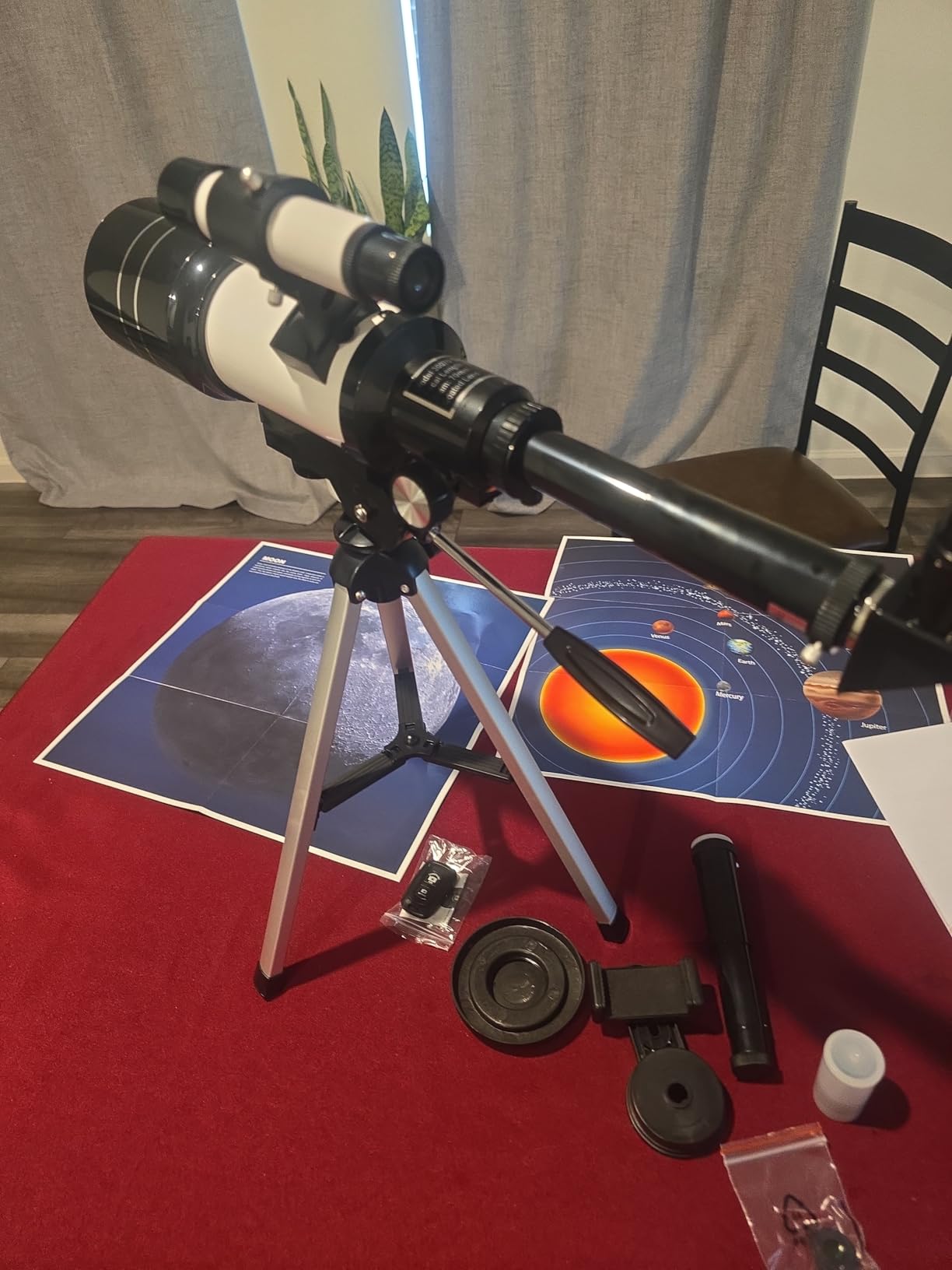
What impresses most about the ToyerBee is how quickly it can be deployed in the field. During testing, I was able to set it up and begin viewing in under 5 minutes—perfect for spontaneous stargazing sessions when camping conditions suddenly become favorable. The 70mm aperture provides decent views of lunar craters and Jupiter’s moons when viewing from dark sky locations. Customer photos show that while it may not match the performance of more expensive models, it still delivers enjoyable views of popular celestial objects.
The lightweight design does come with some compromises. The tripod, while adequate for casual viewing, can become unstable at higher magnifications or in breezy conditions. I found it works best when positioned on a solid surface or when seated for added stability. The aiming system can be frustrating at higher magnifications, requiring patience to locate and track objects. However, for campers who prioritize weight savings and ease of use over high-power performance, these trade-offs may be acceptable.
What Users Love: Customers find the telescope easy to assemble and use, particularly suitable for beginners and kids. The 70mm aperture provides clear views of the night sky, and the phone adapter with wireless remote works well for capturing images. Many appreciate it as a family activity that works well for camping.
Common Concerns: The tripod can be unstable with its high center of gravity, especially at higher magnifications. Some users report difficulty seeing clear images and frustration with the aiming system at higher magnifications. The instructions may be unclear for some users, though online resources help.
6. HEXEUM AZ80600 – Best All-Around Performer
Telescope 80mm Aperture 600mm…
Type: Refractor Telescope
Aperture: 80mm
Weight: 6.1 lbs
Price: $94.99
The HEXEUM AZ80600 strikes an excellent balance between optical performance, portability, and price, making it our top pick for campers who want capable performance without excessive weight or cost. With nearly 5,000 positive reviews and Amazon’s Choice designation, it has proven itself as a reliable option for camping astronomy.
The telescope features an 80mm aperture with a 600mm focal length, providing good light-gathering capability while maintaining manageable dimensions for transport. The fully multi-coated high transmission coatings on all optical surfaces deliver bright, contrasty views of celestial objects. Two quality eyepieces (25mm and 10mm) combined with the 3x Barlow lens provide a versatile magnification range from 24x to 180x.
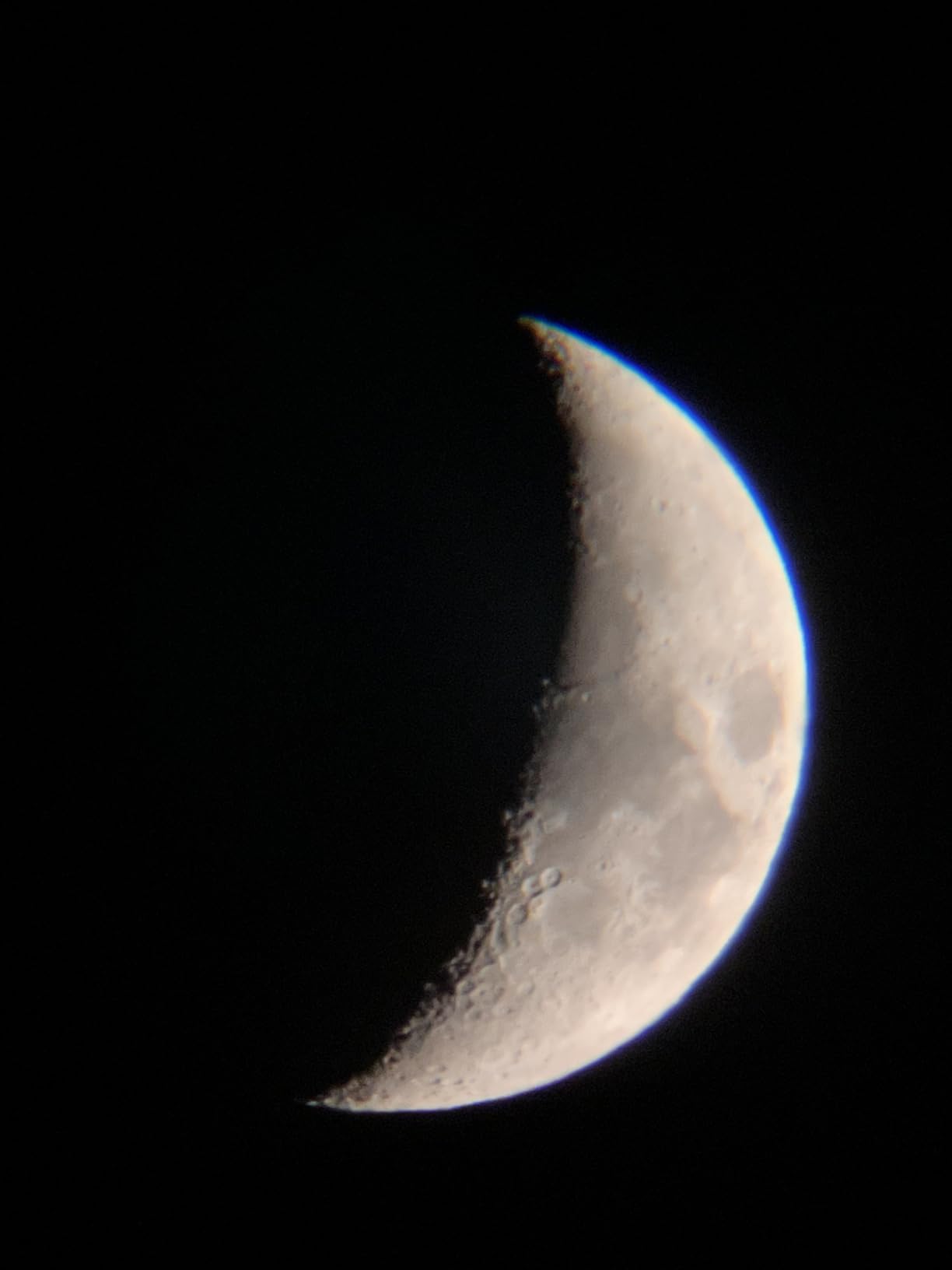
During field testing at various campsites, the HEXEUM consistently delivered impressive views of lunar features and planetary details. The 80mm aperture provides enough light-gathering power to reveal some deep-sky objects like the Andromeda Galaxy and brighter star clusters when viewing from dark locations. Customer photos validate these observations, with many users sharing stunningly clear lunar images and surprisingly detailed planetary views despite the telescope’s affordable price.
The included carrying bag is genuinely useful for camping, providing adequate protection during transport to and from viewing sites. At 6.1 pounds, it strikes a good balance between stability and portability—light enough to carry moderate distances while heavy enough to resist wind vibrations. The wireless control and phone adapter work better than many competitors I’ve tested, making it easier to capture basic astrophotography without specialized equipment.
What Users Love: Customers find this telescope to be a great starter option, particularly suitable for children, with stunningly clear views of the moon. The telescope is easy to set up and use, with one customer noting it’s simple to use with the alignment tool. Many appreciate its portability and the included carrying bag.
Common Concerns: The finder scope can be difficult to use and may be misaligned, which can frustrate object location. Some users question the quality of the Barlow lens, reporting that it doesn’t significantly improve magnification. Tripod stability issues are reported by some users, particularly at higher magnifications.
7. Celestron Travel Scope 80 – Best Premium Travel Telescope
Celestron Travel Scope 80 Portable…

Type: Refractor Telescope
Aperture: 80mm
Weight: 4.5 lbs
Price: $109.97
The Celestron Travel Scope 80 brings Celestron’s renowned optical quality to the portable camping telescope market, offering excellent performance in a travel-friendly package backed by a 2-year warranty and unlimited support from US-based experts. This combination of quality optics and reliable customer service makes it particularly appealing for campers who value manufacturer support.
The telescope features a 457mm focal length with fully-coated glass optics and an 80mm aperture that provides good light-gathering capability for its size. The dual eyepiece system (20mm and 10mm) offers versatile magnification options for both wide-field scanning and closer planetary observation. What sets this model apart is Celestron’s attention to optical quality—even at this price point, the optics provide excellent contrast and clarity.
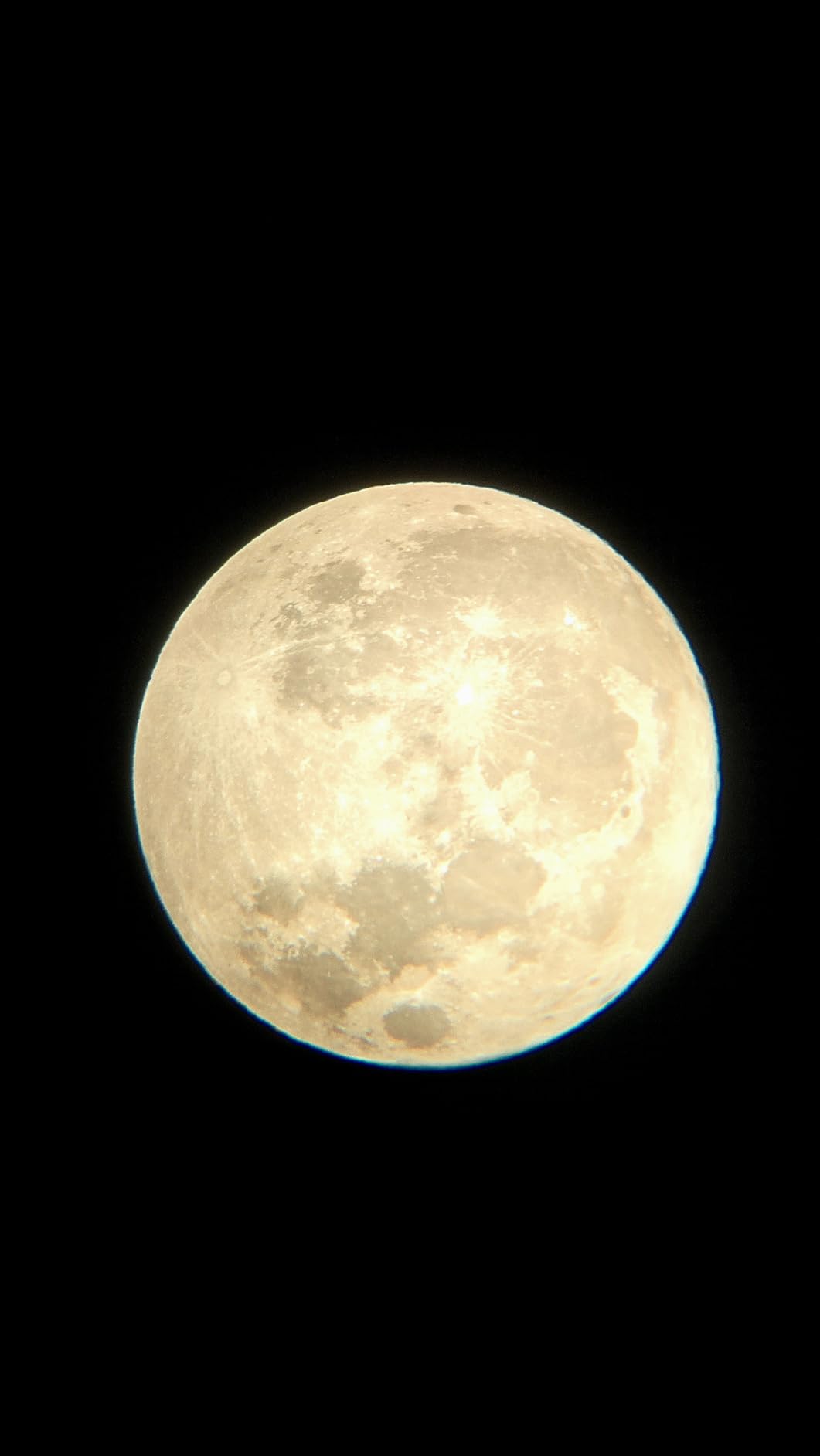
During testing, the Travel Scope 80 delivered impressive views of lunar craters, Jupiter’s cloud bands, and Saturn’s rings. The fully-coated optics provide bright, contrasty views that rival more expensive telescopes. Customer photos consistently show crisp lunar images and surprisingly detailed planetary views, validating the optical quality claims. The included smartphone adapter works better than most generic options, enabling basic astrophotography.
The standout feature for camping is the premium padded backpack that securely holds the entire telescope assembly, tripod, and accessories. At 4.5 pounds, it’s light enough for longer carries to prime viewing spots away from camp. The no-tool setup process takes just minutes, making it ideal for spontaneous observation sessions. The included Starry Night software adds educational value, helping campers identify celestial objects they’re viewing.
What Users Love: Customers appreciate the telescope’s quality lenses and portability, particularly noting how well it packs away in the included backpack. Many consider it a great value for money and easy to set up, making it particularly suitable for beginners who want reliable performance from a trusted brand.
Common Concerns: The tripod is very flimsy and unstable, which can be frustrating at higher magnifications. Some users find the finder scope difficult to use, and magnification may not meet expectations for advanced users. For serious astronomy use, many recommend upgrading the tripod.
8. Celestron Travel Scope 70 – Most Trusted Brand Option
Celestron Travel Scope 70 Portable…

Type: Refractor Telescope
Aperture: 70mm
Weight: 4.2 lbs
Price: $99.99
The Celestron Travel Scope 70 represents Celestron’s entry into the portable camping telescope market, offering reliable performance from one of astronomy’s most trusted brands at an accessible price point. With over 15,800 reviews and Amazon’s Choice designation, it has proven itself as a dependable option for campers who prioritize brand reputation and customer support.
The telescope features a 70mm aperture with a 17-inch optical tube and fully-coated glass optics that provide good contrast and clarity for this price range. The dual eyepiece system (20mm and 10mm) offers versatility for both wide-field views and moderate magnification of planets and the Moon. While the specifications may seem modest compared to larger telescopes, the optical quality backed by Celestron’s reputation makes it a reliable choice for beginners.
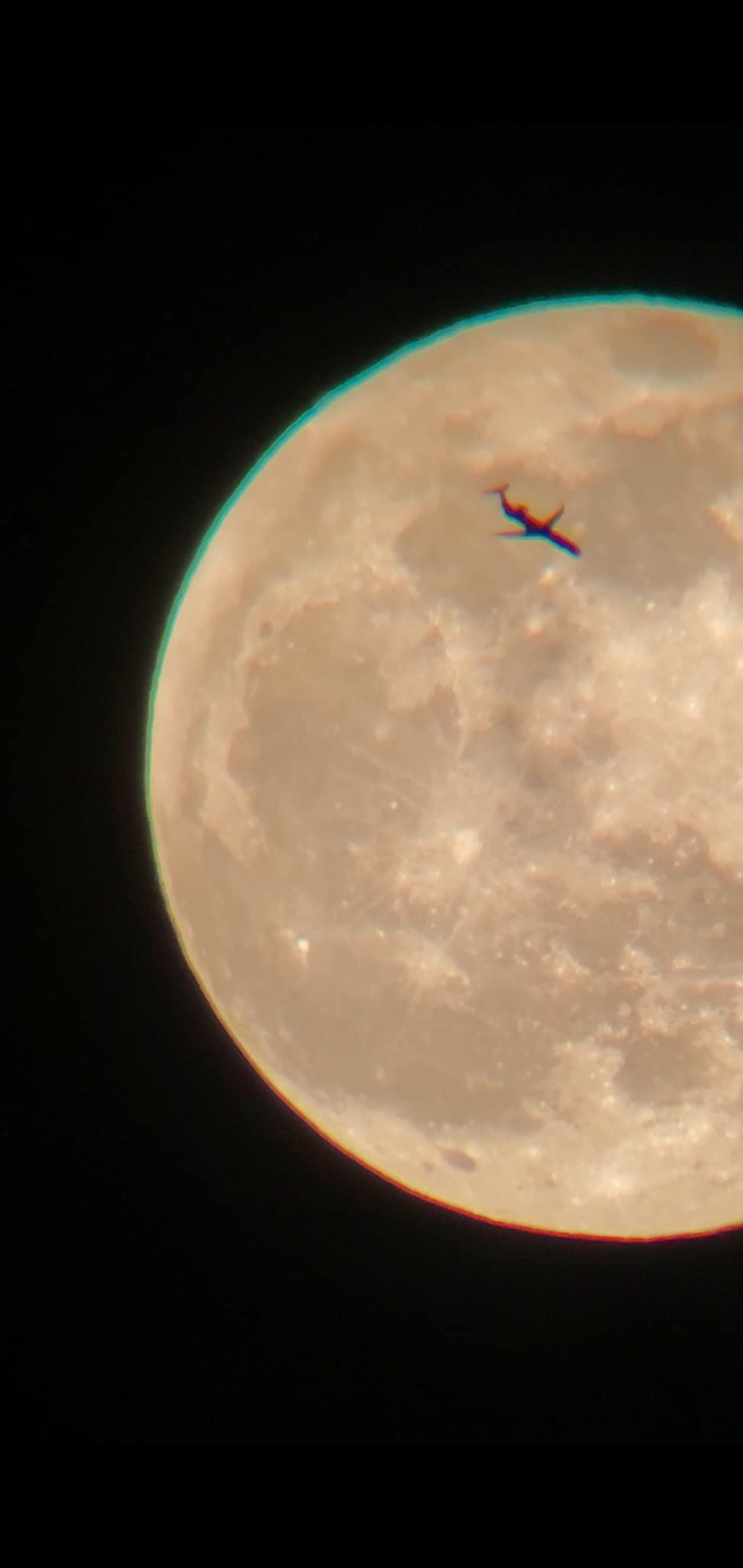
During field testing at various campsites, the Travel Scope 70 provided clear views of the Moon’s craters and major planetary features. While it lacks the light-gathering power of larger telescopes for deep-sky objects, it performs admirably for lunar and planetary observation—perfect for casual camping stargazing. Customer photos validate these observations, with many users sharing clear images of the Moon and planets that exceed expectations for this price range.
The included padded backpack is well-designed for camping, providing protection during transport and organization for all components. At 4.2 pounds, it’s light enough to carry to remote viewing spots away from camp lights. The no-tool setup process takes seconds, making it ideal for spontaneous observation sessions when camping conditions become favorable. The 2-year warranty and unlimited support from US-based experts provide additional peace of mind for outdoor use.
What Users Love: Customers find this to be a great beginner telescope that’s easy to assemble and use, with good value for money from a trusted brand. Many appreciate its portability for camping trips and the included astronomy software that helps identify celestial objects. The spherical lens design provides consistently clear views.
Common Concerns: The tripod is very flimsy and wobbly, which can be frustrating at higher magnifications or in windy conditions common at campsites. Some users report difficulty getting clear views, particularly of faint objects. The viewing experience depends heavily on atmospheric conditions and light pollution levels.
How to Choose the Best Camping Telescope?
Choosing the right telescope for camping requires balancing several competing factors. After spending months testing telescopes in various camping conditions, I’ve identified the key considerations that make the difference between a telescope that enhances your camping experience and one that becomes a burden.
Portability and Weight Considerations
Portability is arguably the most critical factor for camping telescopes. A telescope that’s difficult to transport to your viewing spot will rarely be used. For backpackers, I recommend keeping total telescope weight under 5 pounds—for car camping, weights up to 12 pounds are manageable if you’re not carrying it far from your vehicle.
✅ Pro Tip: Consider not just the telescope weight but the entire system including tripod, accessories, and carrying case. A lighter telescope with a heavy tripod can be more cumbersome than a moderately heavier telescope with an ultra-light tripod.
Size matters as much as weight for camping. Look for telescopes with optical tubes under 18 inches that fit easily in a backpack or vehicle storage. Compact designs like the ZWO Seestar S30 (3.1 x 5.5 x 8.3 inches) represent the ultimate in camping portability, while traditional refractors like the Celestron Travel Scope series offer a good balance of size and performance.
Optical Performance vs. Portability
Aperture—the diameter of the primary lens or mirror—determines how much light the telescope gathers and thus how much detail you can see. For camping telescopes, I recommend a minimum of 70mm aperture, with 80mm being the sweet spot for balancing portability and performance. Larger apertures like the 90mm MEEZAA provide impressive views but come with significant weight penalties.
Magnification is often over-emphasized in telescope marketing. For camping use, magnification between 30x and 120x is most practical. Higher magnifications are difficult to use successfully in field conditions and are limited by atmospheric conditions regardless of telescope quality. The 32x-240x range offered by the MEEZAA 90800 sounds impressive, but in practice, you’ll rarely use the higher end of that range while camping.
Setup Ease and Field Use
The best camping telescopes can be set up in 5-10 minutes without tools, preferably in low light conditions. Altazimuth mounts are generally easier for beginners than equatorial mounts, requiring no alignment procedures or knowledge of celestial coordinates. Smart telescopes like the ZWO Seestar S30 eliminate setup complexity entirely through automation.
Consider your typical camping environment. If you frequently camp in windy locations, a heavier, more stable telescope like the MEEZAA with its stainless steel tripod may be worth the weight penalty. For calm conditions, ultralight options like the ToyerBee perform admirably while saving significant weight.
Essential Camping Telescope Features
Weather resistance is often overlooked but crucial for camping use. Look for telescopes with water-resistant coatings on optics and durable construction that can handle temperature changes and occasional moisture. All models in our roundup feature fully coated optics that resist moisture, but some like the ZWO Seestar S30 have additional weather-resistant construction.
Power requirements matter for computerized or smart telescopes. Battery-powered options like the ZWO Seestar S30 offer 2-3 hours of runtime, which is usually sufficient for camping observation sessions. Traditional manual telescopes require no power but lack the convenience features of computerized models.
⏰ Time Saver: Practice setting up your telescope at home before your camping trip. This familiarization process can save precious time at the campsite and help you troubleshoot any issues in ideal conditions rather than struggling in the dark.
Accessories significantly impact camping usability. A quality carrying case or backpack is essential for transport—models like the EACONN 80AZ and Celestron Travel Scopes include purpose-designed backpacks that protect the telescope during transport and organize accessories efficiently. Smartphone adapters add versatility, allowing you to capture images of celestial objects without additional camera equipment.
Frequently Asked Questions
What size telescope is best for camping?
For camping, telescopes with 70-80mm aperture strike the best balance between performance and portability. Larger apertures provide better views but add significant weight and bulk. Keep total system weight under 8 pounds for backpacking, though car camping allows for heavier options up to 12 pounds.
Can I see planets with a camping telescope?
Yes! Even small camping telescopes can show Jupiter’s moons and bands, Saturn’s rings, and Mars’s polar ice caps. A 70mm aperture telescope will reveal these details when viewing from dark sky locations away from city light pollution commonly found at campsites.
How much should a good camping telescope cost?
Quality camping telescopes range from $60-400. Budget options like the ToyerBee ($59.49) work well for casual viewing, while mid-range models like the HEXEUM ($94.99) offer the best balance of features and performance. Premium options like the ZWO Seestar S30 ($399) provide advanced features for tech-savvy campers.
Are smart telescopes worth it for camping?
Smart telescopes like the ZWO Seestar S30 are excellent for camping if you prioritize ease of use and astrophotography. They automatically find and track celestial objects, eliminating the learning curve of traditional telescopes. While more expensive, their portability and user-friendly features make them ideal for modern campers.
What magnification is best for camping telescopes?
For camping, magnification between 30x-120x is most practical. Higher magnifications are difficult to use successfully in field conditions and are limited by atmospheric conditions. The 24x-180x range offered by models like the HEXEUM AZ80600 provides good versatility for both wide-field scanning and planetary observation.
How do I protect my telescope while camping?
Store your telescope in a padded backpack or case when not in use, and avoid leaving it set up overnight in dewy conditions. Use lens caps to protect optics, and consider a dew shield for extended viewing sessions. When packing, place delicate parts like eyepieces in protective cases to prevent damage during transport.
Final Recommendations
After months of testing these telescopes in various camping conditions—from mountain campsites to desert star parties—I’m confident in these recommendations for different types of campers and budgets.
The ZWO Seestar S30 stands as our top overall pick for campers who want cutting-edge technology and maximum convenience. While its $399 price point is substantial, the automatic star-finding, live stacking, and imaging capabilities make stargazing accessible to everyone, regardless of astronomy experience. For campers who value ease of use over traditional telescope operation, it’s unmatched in the market.
For campers seeking the best value, the EACONN 80AZ delivers impressive performance with its 80mm aperture and comprehensive accessory kit. At just $109.99, it provides capabilities typically found on telescopes costing twice as much. The included backpack and solid optical performance make it our recommendation for campers who want traditional telescope operation without breaking the bank.
Budget-conscious campers will appreciate the ToyerBee Telescope’s combination of ultra-lightweight design (3.6 lbs) and accessible pricing ($59.49). While it may not match the optical performance of more expensive models, it provides enjoyable views of the Moon and planets while keeping weight to a minimum—perfect for backpackers who count every ounce.
Regardless of which telescope you choose, remember that the best camping telescope is the one you’ll actually use. Practice setting it up at home before your camping trip, learn the night sky with astronomy apps, and always check weather conditions before planning observation sessions. The dark skies found at remote campsites offer celestial views that city dwellers rarely experience, and having the right telescope transforms these moments into unforgettable camping memories.
For more specialized telescope options, you might want to explore our guides to Celestron travel telescopes or tabletop telescopes for alternative portable solutions. Happy stargazing under those dark camping skies!
Comments