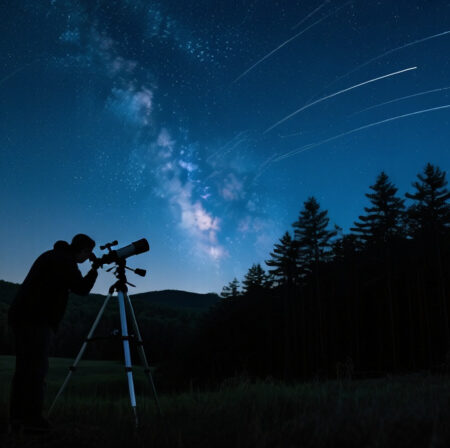
New Jersey might be known for its bright lights and bustling cities, but hidden among its forests and parks are some surprisingly dark spots perfect for stargazing. Despite being one of America’s most densely populated states, NJ offers dedicated observers access to celestial wonders when you know where to look.
The best stargazing spots in New Jersey include High Point State Park for elevated views, Wharton State Forest in the Pine Barrens for true darkness, and Jenny Jump State Forest with its dedicated observatory. These locations, combined with proper timing and preparation, offer surprisingly good views of the Milky Way, planets, and meteor showers despite the state’s light pollution challenges.
After spending countless nights exploring New Jersey’s dark corners, I’ve discovered that while the Garden State presents unique challenges for astronomers, it also rewards persistence with unforgettable celestial displays. From the highest peaks in the north to the vast pine forests in the south, NJ offers diverse stargazing experiences that many residents never discover.
This guide will help you find the darkest skies, navigate permit requirements, and make the most of your stargazing adventures in New Jersey. Whether you’re a complete beginner or an experienced observer, you’ll find locations and tips suited to your needs and budget.
Understanding New Jersey’s Light Pollution Challenge
New Jersey faces significant light pollution challenges due to its dense population and proximity to major metropolitan areas. The light dome from New York City blankets North Jersey, while Philadelphia’s glow affects the southern parts of the state. However, strategic location selection can help you escape much of this artificial light.
Light pollution refers to excessive or misdirected artificial light that brightens the night sky, making it difficult to see celestial objects. New Jersey ranks among the most light-polluted states, but pockets of darkness remain in state parks, forests, and rural areas, particularly in the Pine Barrens and High Point regions.
Bortle Scale: A nine-level scale measuring night sky brightness, with Class 1 being the darkest (excellent dark-sky site) and Class 9 being the most light-polluted (inner-city sky). Most New Jersey locations fall between Class 3-6, with the best sites reaching Class 3 on moonless nights.
The best viewing occurs on clear, moonless nights during new moon phases, when the sky naturally appears darkest. Winter months offer longer nights and often clearer, more stable air, though they require extra preparation for cold weather. Summer brings warmer temperatures but more humidity and haze, which can reduce visibility despite shorter nights.
Essential Preparation for NJ Stargazing
Successful stargazing in New Jersey requires careful planning and preparation. I’ve learned through experience that showing up unprepared often leads to disappointing results or even being turned away from closed areas. Let me share what works based on dozens of nights under NJ skies.
What to Bring for a Successful Night?
Your equipment needs depend on your goals and budget. I started with just my eyes and a pair of binoculars, which revealed surprising detail in the Moon, Jupiter’s moons, and even some nebulae. For those looking to upgrade, check out our comprehensive stargazing equipment guide for detailed recommendations.
Dress in layers regardless of season—NJ nights can be surprisingly cold even in summer. I recommend bringing at least one more layer than you think you’ll need, plus a hat, gloves, and warm socks in winter. A red flashlight preserves your night vision while allowing you to see equipment and navigate safely. Regular white light will ruin your dark adaptation for 20-30 minutes.
Bring water and snacks, especially for longer sessions. A comfortable chair or blanket makes viewing much more enjoyable than standing for hours. Consider downloading astronomy apps for stargazing before you go, as cell service can be spotty in remote areas.
For beginners wondering about telescopes, don’t feel pressured to buy expensive equipment immediately. Many NJ stargazers start with binoculars or even naked-eye observation. If you decide to upgrade, our guide to the best telescopes for beginners can help you find quality options without breaking the bank. There are even excellent budget telescopes under $200 that provide great views of the Moon and planets.
Permits and Regulations
Many New Jersey state parks close at sunset and require special permits for after-hours access. Island Beach State Park, for example, charges $60 for a special use permit allowing night access outside organized events. Other parks like Wawayanda require free but mandatory permits that must be obtained in advance.
Always check the specific park’s regulations before your visit. Some parks allow stargazing in designated areas without permits, while others restrict night access completely. Call park offices during business hours to confirm current policies—requirements can change seasonally or due to budget constraints.
Consider joining astronomy clubs like the United Astronomy Club of New Jersey or North Jersey Astronomical Group. These organizations often arrange group observing events with permits pre-approved, giving you legal access to otherwise restricted areas with experienced guides.
Safety Guidelines for Night Visits
Safety should be your top priority when stargazing in remote areas. Visit locations during daylight first to familiarize yourself with the terrain, parking areas, and potential hazards. Tell someone your exact plans, including your location and expected return time.
Never stargaze alone in isolated areas. If you must go solo, choose well-populated parks with regular ranger patrols rather than remote wilderness areas. Keep your phone charged, but don’t rely on having service—download maps and information beforehand.
Be wildlife aware, especially in the Pine Barrens. Black bears inhabit North Jersey parks, while various nocturnal creatures might be active. Store food properly and maintain a clean site. If you encounter wildlife, observe from a distance and never feed animals.
Trust your instincts. If a location feels unsafe, leave immediately. Some stargazing spots are in isolated areas far from help, so it’s better to miss a night of observing than risk your safety.
North Jersey Stargazing Hotspots
North Jersey presents the greatest light pollution challenges due to its proximity to New York City. However, higher elevations and well-protected areas offer surprisingly good conditions when you escape the worst of the suburban glow.
High Point State Park – The Highest Point in NJ
At 1,803 feet, High Point State Park offers the advantage of elevation that helps you rise above much of the ground-level light pollution. The monument area provides open sky views, though some directional light from the monument itself can interfere with viewing in certain directions.
The best viewing occurs near the Rutherford shelter or in the park’s more remote areas away from the main facilities. I’ve found the Bortle scale here ranges from 3-4 on moonless nights, revealing the Milky Way on especially clear evenings. The winter months offer particularly good conditions, as cold, stable air provides exceptional clarity.
Arrive well before sunset to secure a good spot and allow your eyes to adapt as darkness falls. The park officially closes at sunset, so you’ll need a special use permit for after-hours observing. These permits are free but must be arranged in advance through the park office.
High Point’s elevation makes it excellent for planetary observation and viewing objects near the horizon. The surrounding Appalachian ridges help block light from nearby towns, creating natural dark sky corridors. Bring extra warm clothing—temperatures at this elevation can be 10-15 degrees cooler than surrounding areas.
Jenny Jump State Forest – Premier Dark Sky Location
Jenny Jump State Forest stands as one of New Jersey’s premier dark sky locations, thanks to its 1,100-foot elevation and relative isolation from major light sources. The United Astronomy Club of New Jersey (UACNJ) maintains an observatory here, testament to the site’s excellent sky conditions.
The observatory hosts free public stargazing sessions on Saturday nights from April through October, weather permitting. These events provide access to some of the largest telescopes in New Jersey, including a 26-inch reflector that reveals incredible detail in galaxies, nebulae, and planets.
Even when the observatory isn’t open, the surrounding forest offers numerous observing spots. The main parking area near the observatory provides a convenient starting point, but I recommend walking deeper into the forest to escape even minimal light from the facility.
Jenny Jump’s location in Warren County places it far from the worst urban light pollution, while the surrounding ridges help block what little exists. On clear nights, I’ve seen the Milky Way stretch from horizon to horizon—a rare sight in New Jersey. The site typically achieves Bortle Class 3-4 conditions, making it one of the darkest locations in the state.
The forest’s rocky terrain provides natural barriers to stray light, creating small observing pockets with excellent darkness. However, this same terrain can be challenging in the dark, so scout your location during daylight and bring a good red flashlight for navigation.
Wawayanda State Park – Community Stargazing Hub
Wawayanda State Park offers another North Jersey option with decent dark sky conditions, particularly away from the lake area. The park hosts regular astronomy club events through the Rockland Astronomy Club, providing opportunities for both education and observing.
The lake area provides open sky views but suffers from some light pollution. Better conditions exist in the park’s more remote sections, particularly in the areas away from the main facilities. The park’s varied topography creates numerous observing spots with good eastern and southern horizons.
Wawayanda requires free permits for after-hours access, which can be obtained through the park office. The astronomy club events simplify this process, as permits are arranged for group observing sessions. These events are excellent for beginners, offering both equipment to use and experienced observers to answer questions.
I’ve found the best conditions at Wawayanda occur during weekday nights when fewer people are present. The park’s popularity can bring some light traffic even during closed hours, so choosing remote spots away from main roads improves your experience.
The diverse ecosystem here creates interesting foreground elements for wide-angle astrophotography, though the mixed terrain requires careful scouting for safe observing locations. The lake can create interesting reflection photos of the Moon or bright planets when conditions are calm.
Donald County Park – Hidden Gem Near Madison
Donald County Park, located just 20 minutes south of Madison, represents one of North Jersey’s most accessible dark sky locations. This community favorite offers surprising darkness given its proximity to suburban areas, making it ideal for weeknight observing when longer trips aren’t practical.
The park’s elevation and surrounding forest help shield it from nearby light pollution. Local astronomy enthusiasts frequently recommend this spot for its convenience and relatively dark skies. While not as dark as High Point or Jenny Jump, it provides excellent views of the Moon, planets, and brighter deep-sky objects.
No special permits are required for after-hours access, making this an excellent choice for spontaneous observing sessions. The park officially closes at sunset, but local authorities typically allow stargazers to remain if they’re respectful and unobtrusive.
The main field near the parking area offers the most convenient observing spot, with open views overhead and to the south. Light-tolerant trees surround the field, helping block stray light from surrounding areas. Arriving early allows you to select the best position based on your targets for the night.
This park serves as an excellent training ground for beginners learning the sky. Its relative convenience means you can practice with equipment and techniques without committing to longer trips to more remote locations. The shorter drive also makes it easier to bail if weather conditions deteriorate.
Stony Brook Park – University Astronomy Connection
Stony Brook Park, associated with Montclair State University, offers North Jersey residents another convenient stargazing option. The North Jersey Astronomical Group (NJAG) frequently uses this location for public observing events, combining educational opportunities with practical viewing experiences.
The park provides decent sky conditions for an urban-suburban location, though not as dark as more remote sites. However, its convenience and regular programming make it an excellent starting point for new astronomers. The university connection ensures knowledgeable guides and quality equipment during public events.
Check the NJAG website for scheduled observing nights, which typically occur monthly during warmer months. These events offer free access to telescopes and binoculars, plus guidance from experienced observers who can help you navigate the night sky.
Even outside formal events, the park offers convenient observing for quick sessions. The main areas provide sufficient darkness for lunar and planetary viewing, though deep-sky objects prove challenging due to light pollution. This location works best for those learning their way around the brighter objects before venturing to darker sites.
The educational focus here makes it particularly family-friendly. Children and adults alike can benefit from the structured learning environment, making this an excellent choice for your first stargazing experiences before tackling more remote locations.
South Jersey’s Dark Sky Sanctuaries
South Jersey offers superior stargazing conditions compared to the northern part of the state, particularly in the vast Pine Barrens region. The lower population density and extensive protected lands create pockets of true darkness that reveal surprisingly good views of the night sky.
Wharton State Forest – Pine Barrens Wilderness
Wharton State Forest, the heart of the New Jersey Pine Barrens, offers some of the darkest skies in the state. This massive protected area spans over 115,000 acres, providing numerous locations far from significant light pollution. The forest’s sandy soil and unique ecology create an environment distinctly different from North Jersey’s mountainous terrain.
Atsion Recreation Area provides a convenient starting point with good access and parking. The area around Atsion Lake offers open sky views with minimal light pollution, typically reaching Bortle Class 3 conditions on moonless nights. The surrounding pine trees create natural barriers to stray light, enhancing the darkness.
For even darker conditions, venture deeper into the forest along the numerous sand roads. The area around Batsto Village offers particularly good conditions, with historic structures providing interesting foreground elements for wide-field photography. The forest’s vast size means you can always find a spot away from any remaining light sources.
Wharton requires no special permits for general stargazing, making it an excellent choice for spontaneous observing sessions. However, the forest’s size and limited cell service require careful preparation. Download maps beforehand and bring a reliable GPS or compass for navigation.
The Pine Barrens’ unique ecology creates excellent atmospheric stability, particularly on cool, clear nights. I’ve experienced some of my best NJ observing sessions here, with the Milky Way clearly visible and meteor showers putting on impressive shows. The isolation creates a profound sense of wilderness rare in New Jersey.
Apple Pie Hill – Elevated Pine Barrens Viewing
Apple Pie Hill stands as one of South Jersey’s premier stargazing locations, thanks to its 200-foot elevation and fire tower access. Located within Wharton State Forest, this spot offers panoramic views of the surrounding Pine Barrens and remarkably dark skies for New Jersey.
The fire tower provides an elevated observing platform that lifts you above ground-level haze and light pollution. While you can’t set up telescopes on the tower itself (and shouldn’t obstruct official operations), the area around the base offers excellent conditions for both naked-eye and equipment-assisted observing.
Local stargazers particularly favor Apple Pie Hill for meteor shower viewing. The unobstructed 360-degree horizon allows you to spot meteors in any direction, while the relative darkness reveals impressive numbers even during moderate showers. I’ve counted 50-60 meteors per hour here during the Perseids, a truly memorable experience.
The hill’s elevation makes it somewhat exposed to wind, so bring extra layers even on summer nights. The tower itself may emit some light, so position your observing setup to minimize its impact. The parking area provides a convenient base, though finding spots away from car lights improves your experience.
Apple Pie Hill requires careful navigation to reach, particularly at night. The sand roads can be challenging, and GPS navigation can be unreliable in the Pine Barrens. Visit during daylight first, and consider caravaning with other observers for safety and support.
Bass River State Forest – Lakeside Darkness
Bass River State Forest offers another excellent South Jersey stargazing location, particularly around the shores of Lake Absegami. The lake provides open sky views, while the surrounding forest helps shield the area from nearby light pollution. The combination creates observing conditions that often reach Bortle Class 3 on clear nights.
The campground area offers convenient parking and facilities, though some campground lighting can affect viewing. Better conditions exist along the lake’s eastern shore, away from the main facilities. The beach areas provide excellent horizon views, particularly to the south and east.
Camping is available for those wanting to extend their observing through the night. This makes Bass River an excellent choice for meteor shower peaks or astronomical events occurring after midnight. Waking up in the middle of the night for observing is much easier when you’re already on site.
The forest’s relatively compact size makes navigation easier than in the vast Wharton State Forest. However, cell service remains spotty, so prepare accordingly. The park officially closes at sunset, but campers have extended access, making camping the easiest way to enjoy after-hours observing.
Lake Absegami can create interesting reflection opportunities for astrophotography, particularly when photographing the Moon or bright planets. Calm nights produce mirror-like surfaces that add an extra element to your compositions.
Island Beach State Park – Coastal Stargazing
Island Beach State Park offers unique stargazing opportunities along New Jersey’s barrier island. The ocean views provide dark horizons to the east, while the park’s length creates distance from mainland light pollution. However, special use permits are required for night access outside organized events.
The permit process costs $60 but allows year-round after-hours access for approved activities including stargazing and astrophotography. This investment makes sense for frequent visitors but may be prohibitive for casual observers. Consider joining organized astronomy events here to access the park without individual permits.
The best viewing occurs along the ocean side of the park, where the lack of development across the water creates truly dark eastern horizons. The dunes provide natural barriers to mainland light, creating pockets of excellent darkness particularly near the park’s southern end.
Coastal observing presents unique challenges, including salt air that can affect equipment and frequent fog development. Bring protective gear for your optics and check marine weather forecasts before planning sessions. However, when conditions cooperate, the ocean views provide spectacular foreground elements for wide-field photography.
The park’s 10-mile length offers numerous access points, each with slightly different conditions. Experiment with different locations to find your favorite spot. The southern areas near Barnegat Inlet typically offer the darkest conditions, being farthest from mainland development.
Cape May Lighthouse – Southern Tip Advantage
The Cape May Lighthouse area at New Jersey’s southern tip offers surprisingly good stargazing conditions, particularly during off-season when tourist traffic diminishes. The location’s distance from major urban centers and the surrounding ocean create darker skies than much of the state.
The area around the lighthouse provides open sky views with minimal light pollution to the east and south over the ocean. While Cape May itself generates some light, the lighthouse park maintains relatively dark conditions, especially after the summer crowds depart.
This location works particularly well for combining stargazing with other Cape May attractions. Arrive early for bird watching or dinner, then stay for evening observing once the tourist crowds thin. The lighthouse makes an excellent foreground element for wide-field photography, though be respectful of any restrictions on nighttime photography.
Cape May’s position at the state’s tip provides access to southern celestial objects that might be obstructed at more northern locations. The maritime climate creates stable conditions, particularly in spring and fall when temperature differentials are minimal.
No special permits are required for general stargazing in the lighthouse area, though the park officially closes at sunset. As with many New Jersey locations, local authorities typically allow quiet, respectful observers to remain after hours. However, be prepared to leave if asked by park rangers or local police.
Observatories and Planetariums in NJ
When weather doesn’t cooperate or you want expert guidance, New Jersey’s observatories and planetariums provide excellent alternatives. These facilities offer powerful equipment, knowledgeable staff, and comfortable indoor options for learning about astronomy regardless of conditions.
NJAA Observatory – Free Public Access
The New Jersey Astronomical Association (NJAA) Observatory in Voorhees State Park offers free Saturday night stargazing sessions open to the public. This volunteer-run organization provides access to some impressive equipment, including their famous 26-inch reflector telescope—one of the largest available for public use in New Jersey.
These Saturday night sessions run year-round, weather permitting, offering opportunities to observe planets, galaxies, nebulae, and other deep-sky objects through powerful telescopes. The volunteer astronomers are passionate about sharing their knowledge and eagerly answer questions from visitors of all experience levels.
The observatory’s location in Hunterdon County provides reasonably dark skies for New Jersey, typically reaching Bortle Class 4-5 conditions. While not as dark as the Pine Barrens locations, the elevation and relative rural location create good conditions for planetary and lunar observing.
No reservations are required for the free Saturday night sessions, though arriving early ensures better access to the telescopes. The facility also offers regular astronomy classes and special events during meteor showers and other astronomical phenomena.
For those considering equipment purchases, talking with the experienced volunteers here provides invaluable insights. They can demonstrate different telescope types and explain the pros and cons of various designs based on real experience under New Jersey skies.
Liberty Science Center Planetarium – Urban Alternative
Liberty Science Center in Jersey City offers an impressive planetarium experience for those unable to travel to dark sky locations. While not traditional stargazing, the planetarium’s digital projection system can simulate the night sky with perfect clarity, regardless of weather or light pollution.
The planetarium shows cover various astronomical topics, from basic constellation identification to deep dives into cosmology and space exploration. The immersive environment provides excellent learning opportunities for beginners and families wanting to explore astronomy in a comfortable, accessible setting.
Liberty Science Center also hosts occasional astronomy nights with real telescopes set up on their outdoor deck. These events typically occur during major astronomical phenomena like eclipses or planetary conjunctions, providing urban dwellers with convenient observing opportunities.
The facility’s location near Jersey City makes it easily accessible via public transportation, addressing one of the biggest challenges for New Jersey residents without cars who want to explore astronomy. While not a substitute for dark sky observing, it provides an excellent introduction to the subject.
Consider combining a planetarium visit with their other science exhibits for a full day of educational entertainment. The center regularly updates its programming, so check their schedule for current shows and special events related to astronomy and space exploration.
Robert J Novins Planetarium – Ocean County Resource
The Robert J Novins Planetarium at Ocean County College provides another excellent indoor astronomy resource for New Jersey residents. This facility offers regular public shows covering various astronomical topics, from basic constellation tours to specialized programs on current space missions.
The planetarium’s location in Toms River places it near some of South Jersey’s better stargazing locations, making it an excellent starting point for those wanting to combine indoor learning with outdoor observing. Check their schedule for shows related to current night sky events or seasonal highlights.
In addition to regular shows, the planetarium occasionally hosts special events with guest speakers from the astronomical community. These events provide deeper insights into specific topics and opportunities to learn from experts in the field.
The facility also offers educational programs for school groups and Scout troops working on astronomy badges. Contact them directly if you’re organizing group activities—they can often provide specialized programming tailored to your group’s needs and experience level.
While the planetarium doesn’t offer regular observing sessions with telescopes, staff can often provide information about local observing spots and astronomy clubs in the area. This makes it an excellent resource for newcomers looking to connect with the local astronomy community.
Seasonal Stargazing in New Jersey
New Jersey’s four distinct seasons each offer unique advantages for stargazing. Understanding seasonal patterns helps you plan your observing sessions for optimal conditions and targets throughout the year.
Winter provides the longest nights and clearest atmospheric conditions. Cold air holds less moisture, reducing haze and improving transparency. The winter sky features some of the brightest stars and most recognizable constellations, including Orion, Canis Major, and Gemini. Bundle up—winter nights in New Jersey can be brutally cold, but the crystal-clear views often justify the discomfort.
Spring offers progressively milder temperatures while maintaining decent sky conditions. The spring constellations may not be as bright as winter’s, but galaxies like the Whirlpool and Pinwheel become well-placed for observation. Spring evenings also provide excellent opportunities for viewing the zodiacal light after sunset in dark locations.
Summer brings warm comfortable nights but increased humidity and haze that can reduce transparency. However, the summer Milky Way reaches its most impressive appearance, stretching from Sagittarius through Cygnus. Summer also brings the best meteor showers, including the Perseids in August and occasional appearances by Northern Lights during strong geomagnetic storms.
Fall offers a return to stable atmospheric conditions as temperatures cool. The Andromeda Galaxy becomes well-placed for observation, while the Pegasus region provides numerous galaxy targets. Fall nights provide comfortable observing conditions with gradually lengthening darkness as the season progresses.
Astrophotography Tips for NJ Skies
Astrophotography in New Jersey presents unique challenges due to light pollution, but with proper techniques and equipment selection, you can capture impressive celestial images. Start with simple wide-angle shots using a DSLR or mirrorless camera on a sturdy tripod.
For wide-field Milky Way shots, use fast wide-angle lenses (f/2.8 or faster) with ISO settings between 1600-6400 depending on your camera’s capabilities. Keep exposures under 30 seconds to avoid star trailing, or use a tracking mount for longer exposures. The astrophotography techniques used for telescopes can be adapted for simple camera setups.
Light pollution filters can significantly improve results in New Jersey conditions. These filters block specific wavelengths of artificial light while allowing astronomical light to pass through. Consider clip-in filters for your camera or telescope, particularly if you’re imaging from suburban locations.
Plan your shoots around the new moon phase when the sky is naturally darkest. Apps like PhotoPills or SkySafari help you predict when the Milky Way will be in optimal position relative to your chosen foreground elements. Scout locations during daylight to identify compelling compositions and safe access routes.
Be patient and persistent. New Jersey conditions rarely provide perfect clarity, so take advantage of clear nights whenever they occur. Even seemingly mediocre nights can yield surprising results with proper processing techniques that enhance contrast while suppressing light pollution.
Final Recommendations
New Jersey’s stargazing scene, while challenged by light pollution, offers dedicated observers numerous opportunities to connect with the cosmos. From the elevated peaks of the north to the vast pine forests of the south, the Garden State preserves pockets of darkness where the universe reveals itself to those who seek it.
Start with accessible locations like Donald County Park or organized astronomy club events before tackling more remote destinations. Join local astronomy groups to learn from experienced observers and gain access to equipment and locations you might not discover alone. Remember that stargazing rewards patience and persistence—clear, dark nights are worth the effort when they finally arrive.
The most important advice I can offer is to start observing now, even if conditions aren’t perfect. Every night under the stars teaches you something new about both the cosmos and your place within it. New Jersey may never compete with the dark sky parks of the western states, but it offers its own unique brand of accessible astronomy that connects urban and suburban residents with the wonders above.
Comments