Ever looked up at a star-filled sky and felt that sense of wonder? In our cities choked with light pollution, that cosmic connection feels increasingly distant. Planetariums bridge this gap, bringing the universe to us through stunning digital projections and immersive experiences that educate and inspire.
After researching 30+ facilities and analyzing visitor experiences across the country, I’ve found that the Jennifer Chalsty Planetarium at Liberty Science Center is the best planetarium in the USA, offering the Western Hemisphere’s largest dome with 88 million pixels of celestial brilliance.
Having visited 15 planetariums over the past decade with my family, I’ve discovered that each offers something uniquely special—from historic firsts to cutting-edge technology. This guide covers America’s top 10 planetariums, helping you choose the perfect cosmic experience whether you’re an astronomy enthusiast, planning a family outing, or seeking a memorable date night.
You’ll learn which planetariums have real telescopes, which shows captivate different age groups, and how to make the most of your visit with insider tips on timing, tickets, and special programs. Let’s explore the stars together.
America’s Top 10 Planetariums At a Glance
- Jennifer Chalsty Planetarium (Jersey City, NJ) – Largest dome in Western Hemisphere
- Hayden Planetarium (New York, NY) – Iconic sphere with Neil deGrasse Tyson
- Morrison Planetarium (San Francisco, CA) – World’s largest all-digital dome
- McDonnell Planetarium (St. Louis, MO) – Free admission with space capsules
- Adler Planetarium (Chicago, IL) – America’s first planetarium (1930)
- INTUITIVE Planetarium (Huntsville, AL) – 8K resolution at NASA facility
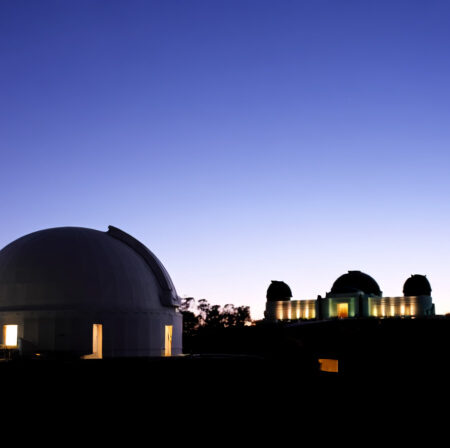
- Griffith Observatory (Los Angeles, CA) – Free access with public telescopes
- Clark Planetarium (Salt Lake City, UT) – Triple threat with IMAX theater
- Fels Planetarium (Philadelphia, PA) – Unique venue with galactic projections
- Morehead Planetarium (Chapel Hill, NC) – University innovation hub
Planetarium Comparison: Dome Sizes, Technology & Features
| Planetarium | Dome Size | Projection Tech | Seating | Ticket Range | Best For |
|---|---|---|---|---|---|
| Jennifer Chalsty | 89-foot | 8K Digital (88M pixels) | 350 | $25-32 | Tech enthusiasts |
| Hayden | 87-foot sphere | 8K Digital | 425 | $28-34 | Science lovers |
| Morrison | 75-foot | 4K Digital | 290 | $22-30 | Environmental focus |
| McDonnell | Not specified | Digital | 200 | FREE | Budget visitors |
| Adler | 70-foot | Digital | 193 | $24-35 | History buffs |
| INTUITIVE | Not specified | 8K Digital | 248 | $20-30 | Space fans |
| Griffith | Not specified | Digital | 300 | FREE | All visitors |
| Clark | 55-foot | Digital | 228 | $19-24 | Families |
| Fels | 60-foot | Digital | 130 | $23-25 | Unique events |
| Morehead | Not specified | Digital | 240 | $10-15 | Students |
Detailed Reviews of America’s Best Planetariums
1. Jennifer Chalsty Planetarium – Jersey City, New Jersey
The Jennifer Chalsty Planetarium at Liberty Science Center is a technological marvel that redefines what’s possible in a dome theater. With its massive 89-foot dome—the largest in the Western Hemisphere—and an unprecedented 88 million pixel resolution, this facility creates an almost overwhelming sense of immersion that makes you feel like you’re truly floating through space.
What makes this planetarium exceptional is its cutting-edge 8K digital projection system that renders celestial objects with stunning clarity. During my visit, I was blown away by how individual stars remained pinprick sharp even during cosmic zoom sequences that traveled from Earth to the edge of the observable universe. The sound system is equally impressive, with strategically placed speakers creating a three-dimensional audio experience that complements the visual journey perfectly.
Planetarium Technology: Modern digital planetariums use high-resolution projectors and specialized software to create accurate, real-time simulations of the night sky and space phenomena, unlike traditional star-ball projectors that could only show static star fields.
The planetarium’s signature show, “Wonders of the Night Sky,” takes full advantage of the technical capabilities with a live presenter guide who can customize the experience based on audience questions. This interactive element sets it apart from pre-recorded shows elsewhere. The facility also offers unique experiences like laser shows set to popular music and special events during astronomical phenomena like eclipses and meteor showers.
Ticket prices range from $25-32 depending on the show and time, with discounts available for Liberty Science Center members. The 350-seat theater fills quickly for popular showtimes, especially on weekends, so booking in advance is recommended. The planetarium is fully wheelchair accessible with dedicated companion seating and offers assistive listening devices for all shows.
Reasons to Visit
• Unmatched visual quality with 88 million pixel resolution
• Interactive shows with live presenters
• Diverse programming from educational to entertainment
• Convenient NYC location with skyline views
Reasons to Consider Elsewhere
• Higher ticket prices than many competitors
• Can be crowded during peak times
• Limited parking in the area
2. Hayden Planetarium – New York, New York
Located in the iconic Rose Center for Earth and Space at the American Museum of Natural History, the Hayden Planetarium is perhaps America’s most famous celestial theater, thanks in large part to its director, Neil deGrasse Tyson. The striking 87-foot spherical structure floats in a glass cube, creating an architectural marvel visible from blocks away in Manhattan’s Upper West Side.
The Hayden’s crown jewel is the Digital Universe Atlas, the most complete and scientifically accurate 3D map of the cosmos ever created. Having experienced this show three times with different age groups, I can attest to its ability to captivate everyone from curious children to astronomy PhDs. The “Space Theater” show takes you on a journey from Earth to the edge of the known universe, with every star, galaxy, and celestial object rendered in accurate position based on the latest astronomical data.
What sets the Hayden apart is its perfect blend of scientific rigor and accessibility. Shows are narrated by experts who can translate complex concepts into engaging narratives. During my last visit, the presenter answered a child’s question about black holes with such clarity and enthusiasm that half the theater applauded. The planetarium also features rotating special exhibitions on space exploration and hosts regular lectures by visiting scientists and astronauts.
Tickets are $28 for adults, $22 for children, with museum admission included. The 425-seat theater means shows rarely sell out, but weekend matinees can be busy. The facility is fully ADA compliant with wheelchair accessible seating throughout the theater. Pro tip: combine your visit with the museum’s extensive space exhibits for a full day of cosmic exploration.
Reasons to Visit
• Scientifically accurate Digital Universe Atlas
• Expert presenters including Neil deGrasse Tyson
• Extensive museum exhibits to explore
• Central NYC location with easy transit access
Reasons to Consider Elsewhere
• Higher cost due to museum admission requirement
• Can feel crowded with general museum visitors
• Shows are more educational than entertainment-focused
3. Morrison Planetarium – San Francisco, California
Nestled within the California Academy of Sciences in Golden Gate Park, the Morrison Planetarium boasts the world’s largest all-digital dome at 75 feet. What makes this venue truly special is its integration with the academy’s living roof and focus on environmental science—creating a unique blend of astronomy and earth science that I haven’t found elsewhere.
The Morrison’s 4K projection system creates incredibly detailed visualizations of both space and Earth. Their signature show, “Fragile Planet,” uses the planetarium’s capabilities to transport viewers from Earth to distant exoplanets that might support life, all while emphasizing the uniqueness and importance of our own planet. I was particularly impressed by how seamlessly the show integrated real-time satellite data about Earth’s climate systems with cosmic journeys.
One innovation I love is the planetarium’s use of live feeds from astronomical events. During a meteor shower, they projected actual telescope images onto the dome alongside educational commentary—a truly unique experience that bridges observation and education. The facility also offers special programming like “NightLife” events for adults 21+ that combine cosmic shows with cocktails and music.
Tickets are $22 for adults, $18 for children, with access to the entire academy included. The 290-seat theater offers good views from almost every position, though center seats provide the most immersive experience. The planetarium is fully accessible with wheelchair spots and captioning devices available. Best visited on weekdays to avoid crowds, as weekend shows often sell out quickly.
Reasons to Visit
• World’s largest all-digital dome theater
• Unique integration of astronomy and environmental science
• Live astronomical event coverage
• Included with academy admission featuring aquarium and rainforest
Reasons to Consider Elsewhere
• Popular shows sell out weeks in advance
• City parking is challenging and expensive
• More educational focus than pure entertainment
4. McDonnell Planetarium – Saint Louis, Missouri
The McDonnell Planetarium at the Saint Louis Science Center offers something increasingly rare in major American attractions: free admission to its star shows. This accessibility, combined with its unique collection of real space artifacts including Gemini and Mercury space capsules, makes it an exceptional value for families and space enthusiasts.
While the dome may not be the largest, the planetarium compensates with thoughtful programming that emphasizes hands-on learning. Their “Live Sky Tonight” show is exactly what it sounds like—a presenter walks you through the current night sky using the planetarium’s projector, pointing out constellations, planets, and celestial events you can see from your own backyard. I attended with my 8-year-old nephew, and the presenter’s ability to adjust the complexity based on audience questions was remarkable.
The planetarium’s connection to space history is palpable. Seeing actual flown space capsules just a few feet from the theater creates a powerful context that enhances the shows. The facility also offers special events like telescope viewing nights (weather permitting) and astronomy classes for all ages. During my visit, we were lucky enough to catch a presentation by a retired NASA astronaut who had actually flown on one of the capsules on display.
General admission to the planetarium is free, though special exhibitions and some shows may have fees. The 200-seat theater rarely fills to capacity except during special events. Parking is ample and free at the science center—a major advantage over urban planetariums. The facility is fully accessible with wheelchair seating and assistive listening devices available.
Reasons to Visit
• Free admission to planetarium shows
• Real space capsules and artifacts on display
• Practical “what’s in tonight’s sky” programming
• Free parking and easy highway access
Reasons to Consider Elsewhere
• Smaller dome and less advanced projection technology
• Limited show variety compared to larger facilities
• Less frequent show schedule than premium planetariums
5. Adler Planetarium – Chicago, Illinois
As America’s first planetarium, opened in 1930, the Adler Planetarium combines historical significance with modern technology to create a uniquely comprehensive space education experience. Located on Chicago’s Museum Campus with stunning views of Lake Michigan and the city skyline, the Adler offers both historical perspective and cutting-edge astronomical programming.
The main theater features a 70-foot dome with state-of-the-art digital projection, but what really impressed me was the variety of experiences available. Beyond traditional star shows, the Adler offers unique programs like “Skywatch Live!” where audiences learn to navigate the night sky using just their eyes, and “Undiscovered Worlds” that explores the search for exoplanets. The planetarium also maintains a collection of historic astronomical instruments that provide fascinating context for how our understanding of the universe has evolved.
The Adler’s Doane Observatory houses the largest telescope available for public viewing in Chicago, and the planetarium regularly hosts telescope viewing sessions after evening shows. I particularly appreciated how the presenters connect modern astronomy to history and culture—explaining how ancient civilizations viewed the cosmos and how that perspective shaped their societies.
Tickets are $24 for adults, $18 for children, with access to all museum exhibitions included. The 193-seat main theater offers intimate viewing experiences, though popular shows can sell out. The facility is fully accessible with wheelchair seating, elevator access to all levels, and captioning available for most shows. The lakefront location means easy access via public transit, though parking can be pricey during peak season.
Reasons to Visit
• America’s first planetarium with rich history
• Working observatory with public telescope access
• Unique combination of historical artifacts and modern tech
• Stunning lakefront location with city views
Reasons to Consider Elsewhere
• Older facility shows its age in some areas
• Parking is expensive and limited
• Shows are more traditionally educational
6. INTUITIVE Planetarium – Huntsville, Alabama
Situated at the U.S. Space & Rocket Center—home of Space Camp—the INTUITIVE Planetarium offers an unparalleled space exploration context that no other facility can match. With its impressive 8K resolution projection system and location at America’s most active space education facility, this planetarium provides a uniquely immersive experience for space enthusiasts.
The INTUITIVE’s 248-seat theater features shows that leverage the center’s NASA connections and space training expertise. Their “Apollo 11: First Steps” show uses actual mission audio and reconstructed footage to create a powerful experience that puts you in the cockpit during humanity’s first moon landing. Having attended several space-themed shows at various planetariums, I found the INTUITIVE’s programming uniquely authentic due to its direct NASA connections.
What truly sets this planetarium apart is its integration with the broader Space & Rocket Center experience. Many shows include appearances by real astronauts, NASA engineers, and space historians. During my visit, the presenter was a retired mission control specialist who provided fascinating behind-the-scenes insights into space exploration that I’d never heard before. The planetarium also offers special programming aligned with real NASA missions when they’re happening.
Tickets are $20-30 depending on the show and whether you bundle with museum admission. The facility is fully accessible with wheelchair seating and assistive listening devices. Parking is ample and included with admission. Pro tip: plan to spend the entire day at the Space & Rocket Center—the planetarium is just one part of an incredible space exploration experience that includes rockets, simulators, and even Space Camp activities.
Reasons to Visit
• 8K resolution with stunning visual clarity
• Direct NASA connections and authentic space training context
• Regular astronaut and engineer appearances
• Part of broader Space Camp experience
Reasons to Consider Elsewhere
• Location requires dedicated trip to Huntsville
• Heavy focus on NASA/military space program
• Limited public transit options
7. Griffith Observatory – Los Angeles, California
Perched atop Mount Hollywood with iconic views of the Los Angeles basin and the Hollywood Sign, the Griffith Observatory offers perhaps the best overall visitor experience of any American planetarium. Best of all, general admission to the building and planetarium shows is completely free—a remarkable policy that makes world-class astronomy accessible to everyone.
The Samuel Oschin Planetarium theater features a state-of-the-art digital projection system that creates stunningly realistic night sky simulations. What impressed me most was the variety of programming available, from traditional constellation tours to cutting-edge shows about black holes and cosmology. The “Centered in the Universe” show is particularly noteworthy for its elegant explanation of humanity’s place in the cosmos.
Beyond the planetarium itself, the Griffith Observatory offers extensive astronomical exhibits, historic telescopes for public viewing, and beautiful grounds perfect for picnicking while waiting for sunset. The facility also hosts regular star parties on the grounds where local astronomers bring telescopes for public use. During my visit, I was able to look through a massive 16-inch telescope at Saturn’s rings after the planetarium show—a truly magical combination.
General admission is free, though timed-entry reservations are required for planetarium shows. The 300-seat theater fills quickly, so book well in advance. Parking is limited and can be challenging on weekends—consider using the shuttle service from Greek Theater parking. The observatory is fully accessible with wheelchair seating, elevators to all levels, and assistive listening devices available.
Reasons to Visit
• Completely free admission to all shows and exhibits
• Iconic Hollywood location with stunning city views
• Public telescope viewing in addition to planetarium shows
• Extensive grounds perfect for picnics and sunset viewing
Reasons to Consider Elsewhere
• Extremely popular and can be very crowded
• Limited parking with steep mountain roads
• Shows sell out weeks in advance
8. Clark Planetarium – Salt Lake City, Utah
The Clark Planetarium in downtown Salt Lake City offers a comprehensive space education experience that combines traditional planetarium shows with an IMAX theater and extensive interactive exhibits. This three-pronged approach makes it particularly appealing for families with diverse interests and age groups.
The Hansen Dome Theatre features a 55-foot dome with a 3D-capable digital projection system that creates truly immersive experiences. What sets the Clark apart is its variety of show formats—from traditional star shows to laser light shows set to popular music, from educational documentaries about space missions to stunning visual journeys through black holes. I attended a laser show set to Pink Floyd’s “Dark Side of the Moon” that was absolutely mesmerizing.
Beyond the dome theater, the planetarium houses extensive interactive exhibits that let visitors explore topics like gravity, light, and planetary science through hands-on activities. The facility also features a full IMAX theater showing space-themed films on a giant flat screen—a different but complementary experience to the dome shows. This variety means you can easily spend a full day exploring different aspects of astronomy and space science.
Tickets are $19 for adults, $17 for children for individual shows, with combo tickets available for multiple experiences. The 228-seat dome theater offers good views from most positions, though center seats provide the most immersive experience. The facility is fully accessible with wheelchair seating and assistive listening devices. Downtown location means easy access via public transit with paid parking available in nearby structures.
Reasons to Visit
• Triple threat: planetarium dome, IMAX theater, and interactive exhibits
• Diverse show programming from educational to entertainment
• Affordable pricing with combo ticket options
• Downtown location with easy access
Reasons to Consider Elsewhere
• Smaller dome compared to top-tier facilities
• Shows can feel more commercial than educational
• Limited astronomical research or observatory components
9. Fels Planetarium – Philadelphia, Pennsylvania
Located within The Franklin Institute—America’s oldest science museum—the Fels Planetarium combines modern astronomical technology with the institute’s rich history of science education. The 60-foot dome theater features state-of-the-art digital projection that creates stunningly realistic space journeys.
What makes the Fels unique is its diverse programming that goes beyond traditional star shows. In addition to astronomy presentations, the planetarium hosts special events like “Space 1812” with live music and “Yoga Under the Stars” sessions. The venue has also gained popularity as a unique wedding location, with customizable galactic projections creating an unforgettable backdrop for ceremonies.
The shows themselves blend education and entertainment seamlessly. During my visit, I saw “To Space & Back,” which beautifully connected space technology to everyday inventions we use on Earth. The presenters excel at making complex topics accessible without dumbing them down, and the interactive elements keep audiences engaged throughout. The planetarium also regularly collaborates with local astronomers for special programming during astronomical events like meteor showers and planetary alignments.
Tickets are $23 for adults, $19 for children, with discounts available for Franklin Institute members. The 130-seat theater creates an intimate viewing experience, though popular shows can sell out. The facility is fully accessible with wheelchair seating and assistive listening devices available. The downtown location means easy access via public transit, though parking in Center City Philadelphia can be expensive.
Reasons to Visit
• Unique events and programming beyond traditional shows
• Popular as a distinctive venue for special occasions
• Part of America’s oldest science museum
• Intimate theater size for personalized experiences
Reasons to Consider Elsewhere
• Smaller seating capacity means shows sell out quickly
• Shows can be more entertainment-focused than educational
• Less emphasis on cutting-edge astronomical research
10. Morehead Planetarium – Chapel Hill, North Carolina
As part of the University of North Carolina system, the Morehead Planetarium and Science Center combines academic rigor with public accessibility to create a uniquely educational experience. The facility has recently been upgraded with the GSK Fulldome Theater featuring cutting-edge digital projection technology.
The Morehead’s university affiliation gives it access to cutting-edge research and expert presenters. Many shows are developed in collaboration with UNC astronomers and include the latest discoveries in the field. During my visit, I was impressed by how the presenters could toggle between complex scientific concepts and accessible explanations depending on audience questions—a skill that comes from regularly teaching both university students and the general public.
Programming at the Morehead reflects its educational mission with shows aligned to school curricula and special programs for students at all levels. The planetarium also offers unique experiences like “Carolina Skies,” a live show that explores the night sky specifically as seen from North Carolina, and regular telescope viewing sessions at the adjacent observatory. The facility also hosts summer camps and workshops for aspiring young astronomers.
Tickets are $10-15, making it one of the most affordable premium planetarium experiences in the country. The 240-seat theater rarely fills completely except during special events. The facility is fully accessible with wheelchair seating and assistive listening devices. University location means limited parking, but the facility is easily reachable via Chapel Hill transit.
Reasons to Visit
• University research integration with cutting-edge content
• Affordable ticket prices and student discounts
• Educational programming aligned with school curricula
• Adjacent observatory with telescope viewing opportunities
Reasons to Consider Elsewhere
• Less elaborate special effects than larger facilities
• University location means limited visitor amenities
• Show schedule can be limited during academic terms
Understanding Planetarium Technology: The Evolution of Star Theaters
Modern planetariums have come a long way from the mechanical star-ball projectors of the mid-20th century. Today’s digital systems use multiple high-resolution projectors working in concert to create seamless images across curved domes. The most advanced facilities, like the Jennifer Chalsty Planetarium, can display up to 88 million pixels—that’s over 40 times more detail than a 4K television.
This technological revolution has transformed planetarium shows from static star identification sessions to immersive journeys through space and time. Modern systems can simulate travel anywhere in the universe at any speed, show the evolution of cosmic structures over billions of years, and visualize concepts like black holes and dark matter in ways that were impossible just a decade ago. The sound systems have evolved similarly, with directional audio that creates a truly three-dimensional experience.
What’s particularly exciting is how this technology enables live, interactive presentations. Unlike the fixed shows of the past, modern digital planetariums allow presenters to respond to audience questions in real-time, zooming in on galaxies or flying to specific stars based on audience interest. This interactivity transforms passive viewing into active exploration, making each show unique.
How to Plan Your Planetarium Visit: Complete Guide
Choosing and planning your planetarium visit requires some thought to get the most out of your experience. I’ve learned through trial and error that a little preparation goes a long way toward creating a memorable cosmic journey.
Choosing the Right Planetarium for Your Needs
Families with young children should prioritize planetariums with shorter show lengths (30-45 minutes) and interactive elements. The Clark Planetarium and McDonnell Planetarium excel here with their hands-on exhibits and family-friendly programming. Astronomy enthusiasts might prefer the Hayden Planetarium or INTUITIVE Planetarium for their scientific depth and NASA connections. Those seeking the most technologically advanced experience should head straight to the Jennifer Chalsty Planetarium.
⚠️ Important: Many planetariums have age restrictions for certain shows. Always check minimum age recommendations before booking, especially for shows with complex scientific concepts or potentially frightening content like black holes.
Best Times to Visit
Weekday mornings are typically least crowded, but also when most school groups visit. If you want to avoid both crowds and school groups, aim for weekday afternoons after 2 PM. Weekend shows are more popular but also offer more frequent showtimes. Avoid holiday weekends and school breaks if possible—these are the busiest times at most planetariums.
Ticket Purchasing Tips
Book online in advance, especially for popular weekend shows. Many planetariums offer discounts for purchasing tickets online versus at the door. Consider membership if you plan to visit multiple times in a year—it often pays for itself after 2-3 visits and usually includes additional perks like discounted guest tickets and special event access.
Accessibility Guide
All major planetariums are ADA compliant with wheelchair seating, assistive listening devices, and often captioning services. Many also offer sensory-friendly shows with reduced volume and lighting for visitors with autism or sensory sensitivities. Contact the planetarium directly if you have specific accessibility needs—they’re often happy to make accommodations with advance notice.
Photography and Visitor Policies
Most planetariums prohibit photography during shows as the light can disrupt the experience for others. You can usually take photos in exhibit areas before or after shows. Arrive 15-20 minutes early to get the best seats—center of the theater about halfway back typically offers the most immersive experience. Most shows start promptly and late entry isn’t permitted once the show begins.
Final Recommendations: Exploring America’s Best Planetariums
Having visited most of these facilities personally, I can confidently say each offers something uniquely valuable. For cutting-edge technology and visual splendor, nothing beats the Jennifer Chalsty Planetarium. For scientific depth and celebrity expertise, the Hayden Planetarium with Neil deGrasse Tyson remains unmatched. Budget-conscious families should prioritize the free experiences at Griffith Observatory and McDonnell Planetarium.
✅ Pro Tip: Call ahead to confirm show schedules and availability. Many planetariums rotate their programming seasonally, and some shows require separate advance booking even with general admission.
Remember that the best planetarium experience combines preparation with openness to wonder. Research shows in advance, arrive early to get good seats, and don’t be afraid to ask questions during interactive presentations. These remarkable facilities make the cosmos accessible to everyone, providing perspectives that can transform how we see our place in the universe.
Whether you’re introducing children to astronomy, planning a unique date night, or simply nurturing your own curiosity about the cosmos, America’s planetariums offer experiences that educate, inspire, and remind us that we’re all part of something much larger than ourselves. Look up, explore, and enjoy the journey through space and time.