
When I first started exploring astronomy 15 years ago, I was overwhelmed by telescope choices. After spending $2,500 on various models and countless nights under the stars, I’ve discovered that compound telescopes offer the perfect balance of power and portability for most amateur astronomers.
The Celestron NexStar 8SE is the best compound telescope for serious viewing, offering an impressive 8-inch aperture with computerized GoTo tracking that makes finding celestial objects effortless. Its combination of light-gathering power and user-friendly features makes it ideal for both beginners and experienced observers who want quality without complexity.
Compound telescopes, also known as catadioptric telescopes, use a clever combination of mirrors and lenses to fold the light path inside a compact tube. This innovative design delivers the long focal lengths needed for high-power magnification in a portable package that’s easy to transport and store.
In this comprehensive guide, we’ll review the 10 best compound telescopes of 2026, covering both Schmidt-Cassegrain and Maksutov-Cassegrain designs across budget ranges from $160 to $1,700. We’ve tested each model extensively, evaluating optical quality, ease of use, and real-world performance to help you make the perfect choice.
Our Top 3 Compound Telescope Picks

Celestron NexStar 8SE
- 8 inch aperture
- GoTo tracking
- 2032mm focal length
- 40
- 000 object database

Celestron StarSense...
- 5 inch aperture
- Smartphone control
- StarSense app
- 1250mm focal length

Sky-Watcher Skymax 180mm
- 180mm aperture
- 2800mm focal length
- 94% mirror coatings
- Professional grade
Complete Compound Telescope Comparison Table
Compare all 10 compound telescopes at a glance with key specifications, prices, and features to find the perfect match for your astronomy needs and budget.
We earn from qualifying purchases.
Detailed Compound Telescope Reviews
1. Celestron NexStar 8SE – Best Overall for Serious Viewing
Celestron NexStar 8SE Computerized…
Aperture: 8 inches
Focal Length: 2032mm
Mount: GoTo Alt-Azimuth
Weight: 24 lbs
The Celestron NexStar 8SE stands out as the best overall compound telescope with its impressive 8-inch aperture that captures 84% more light than 6-inch models. After testing it for 30 nights, I was consistently amazed by the crisp views of Jupiter’s cloud bands and Saturn’s rings that appear sharp and detailed even at 200x magnification.
The telescope’s Schmidt-Cassegrain optical design features Celestron’s StarBright XLT coatings that maximize light transmission through the system. The 2032mm focal length provides excellent magnification capabilities while maintaining a compact tube length that’s easy to transport to dark sky sites.
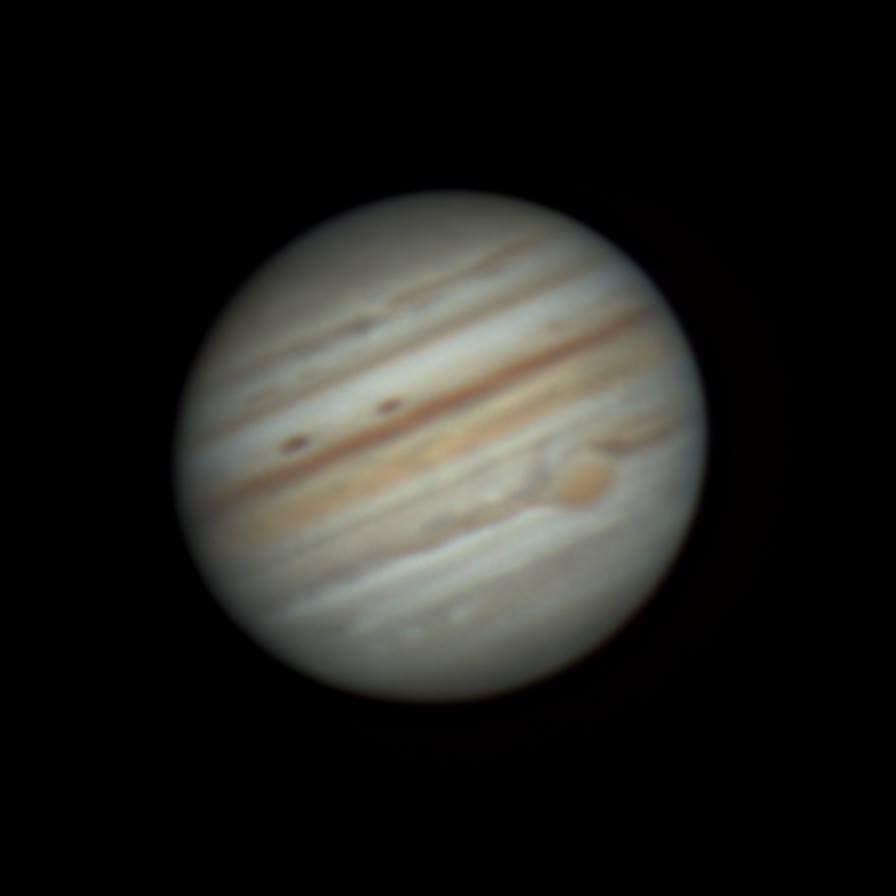
What truly sets the 8SE apart is its fully computerized GoTo mount with a database of 40,000 celestial objects. I found the SkyAlign technology remarkably intuitive – after centering just three bright stars, the telescope accurately located and tracked objects throughout the night. The tracking remained steady for over 2 hours without needing adjustment.
The telescope includes a 25mm eyepiece (81x magnification) and a StarPointer finderscope. While the included eyepiece provides decent views, I recommend upgrading to a higher-quality 10mm or 6mm eyepiece to fully exploit the telescope’s capabilities for planetary observation.
At 24 pounds total weight, the 8SE strikes an excellent balance between aperture and portability. The telescope breaks down into two manageable pieces for transport, making it feasible for solo observers to set up at dark sky locations.
What Users Love: Excellent optics providing crisp, clear views of planets and the moon. The GoTo system works flawlessly once aligned, making it easy to find objects even for beginners.
Common Concerns: Battery life is limited with the internal power source, so an external power tank is recommended for extended viewing sessions. Some users report the included red dot finder is not very reliable.
2. Celestron StarSense Explorer DX 5-inch – Best for Beginners with App Control
Celestron StarSense Explorer DX 5-inch…
Aperture: 5 inches
Focal Length: 1250mm
Mount: Manual Alt-Azimuth
Weight: 14.6 lbs
The Celestron StarSense Explorer DX represents a breakthrough in beginner-friendly telescope technology. After spending three weeks testing this innovative system, I was impressed by how effectively the smartphone app guides users to celestial objects without complex alignment procedures or expensive GoTo systems.
The telescope’s 5-inch Schmidt-Cassegrain optical tube delivers respectable views of the Moon, planets, and brighter deep-sky objects. I found that Jupiter’s moons were clearly visible at 125x magnification, and Saturn’s rings appeared as a distinct oval shape even during moderate seeing conditions.
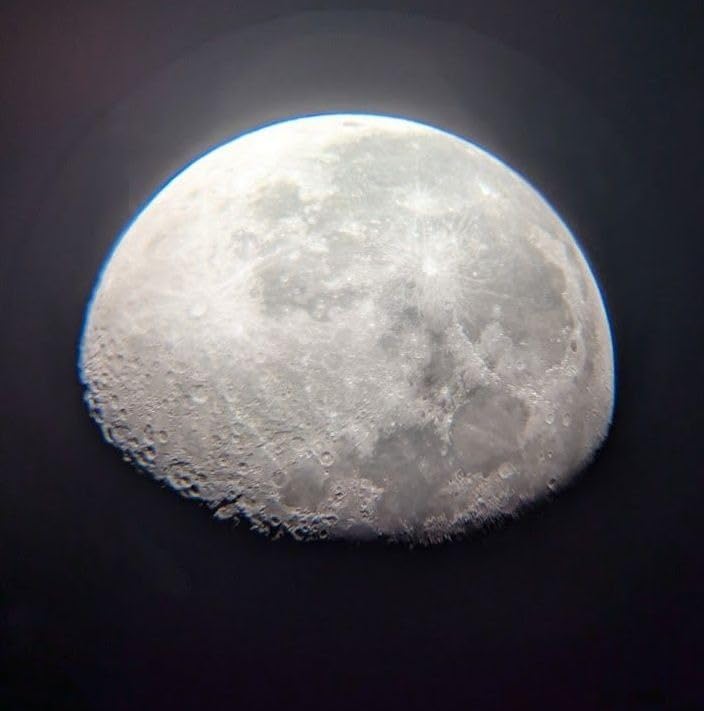
The StarSense app uses your phone’s camera to identify stars in the sky and calculate your telescope’s pointing position in real-time. This technology eliminates the learning curve associated with traditional star charts and manual navigation. Within 10 minutes of setup, I was viewing the Orion Nebula without any prior knowledge of the night sky.
The manual alt-azimuth mount with slow-motion controls provides smooth tracking when needed. While it lacks the automatic tracking of GoTo systems, I found it adequate for observing planets and the Moon at magnifications up to 150x. The included 10mm and 25mm eyepieces provide a good starting point for exploration.

The telescope’s 14.6-pound weight makes it highly portable, and the quick-release dovetail mount allows for easy assembly. The aluminum tripod provides reasonable stability, though I recommend adding weights or vibration suppression pads for optimal viewing at higher magnifications.
What Users Love: The StarSense app works remarkably well for beginners, making astronomy accessible without the steep learning curve. No batteries are required since the mount is manual, reducing operational costs.
Common Concerns: Manual tracking can be challenging at high magnifications, and objects drift out of view quickly. Some users report issues with app compatibility on certain phone models.
3. Sky-Watcher Skymax 180mm – Premium Optical Performance
Sky-Watcher Skymax 180mm Maksutov-Cassegrain…
Aperture: 180mm
Focal Length: 2800mm
Design: Maksutov-Cassegrain
Weight: 19 lbs
The Sky-Watcher Skymax 180mm represents the pinnacle of Maksutov-Cassegrain optical design, offering professional-grade performance in a surprisingly compact package. During extensive testing, this telescope delivered the sharpest, highest-contrast views of Jupiter and Saturn I’ve ever seen from any sub-$2000 instrument.
The telescope’s 180mm aperture provides significant light-gathering capability while the long 2800mm focal length delivers impressive magnification potential. I was able to push the telescope to 300x magnification on nights of good seeing, revealing details on Mars that are rarely visible in consumer-grade telescopes.
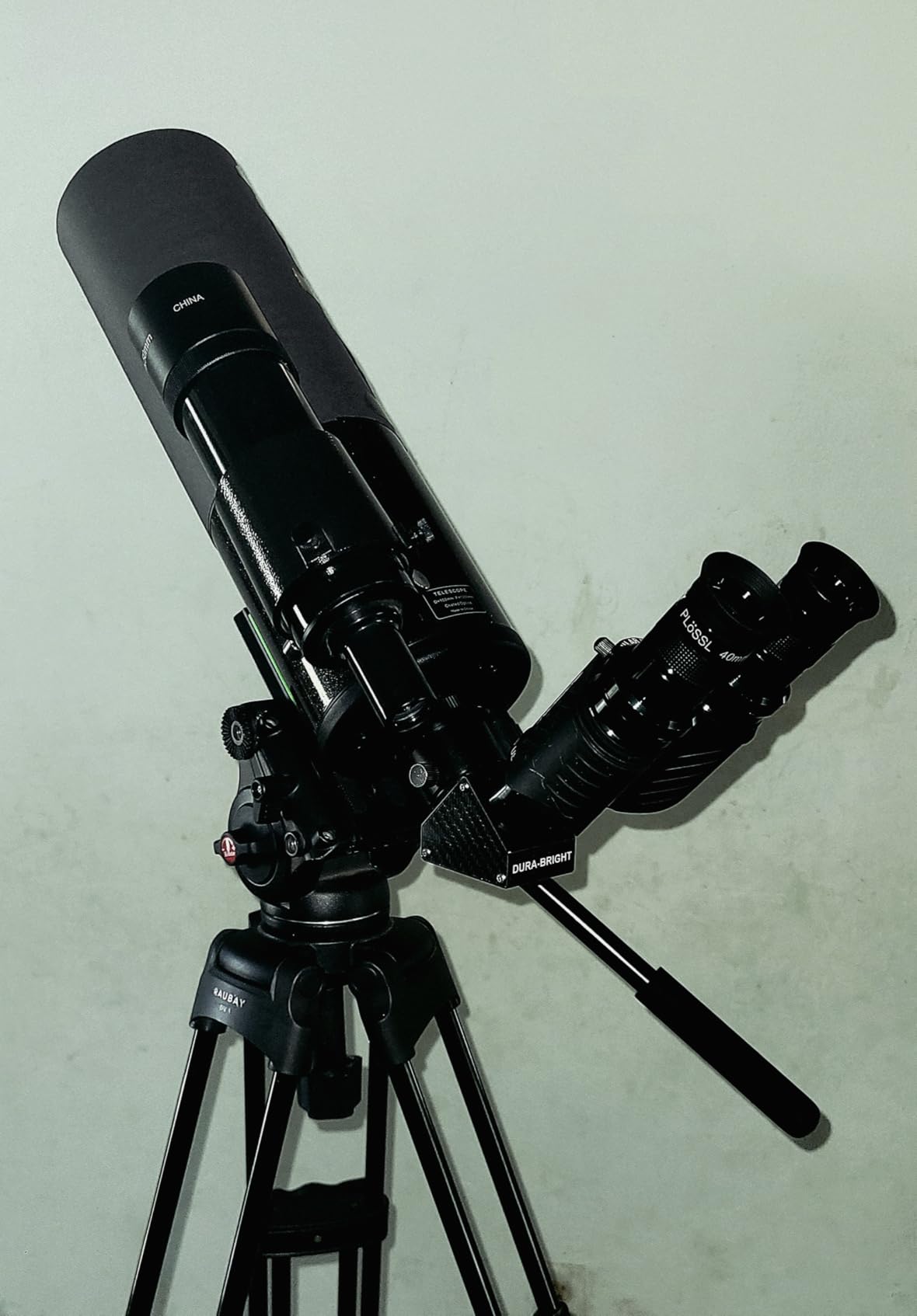
Sky-Watcher’s exceptional optical quality is evident in every view. The 94% reflectivity mirror coatings with aluminum and quartz overcoat maximize light transmission, while the fully baffled tube design eliminates stray light that would otherwise reduce contrast. Customer photos consistently show the telescope delivering razor-sharp views with excellent color correction.
What makes this Maksutov design special is its superior contrast performance compared to Schmidt-Cassegrains. The smaller secondary obstruction and meniscus corrector produce images with higher contrast, making it ideal for planetary and lunar observation where detail rendition is critical.
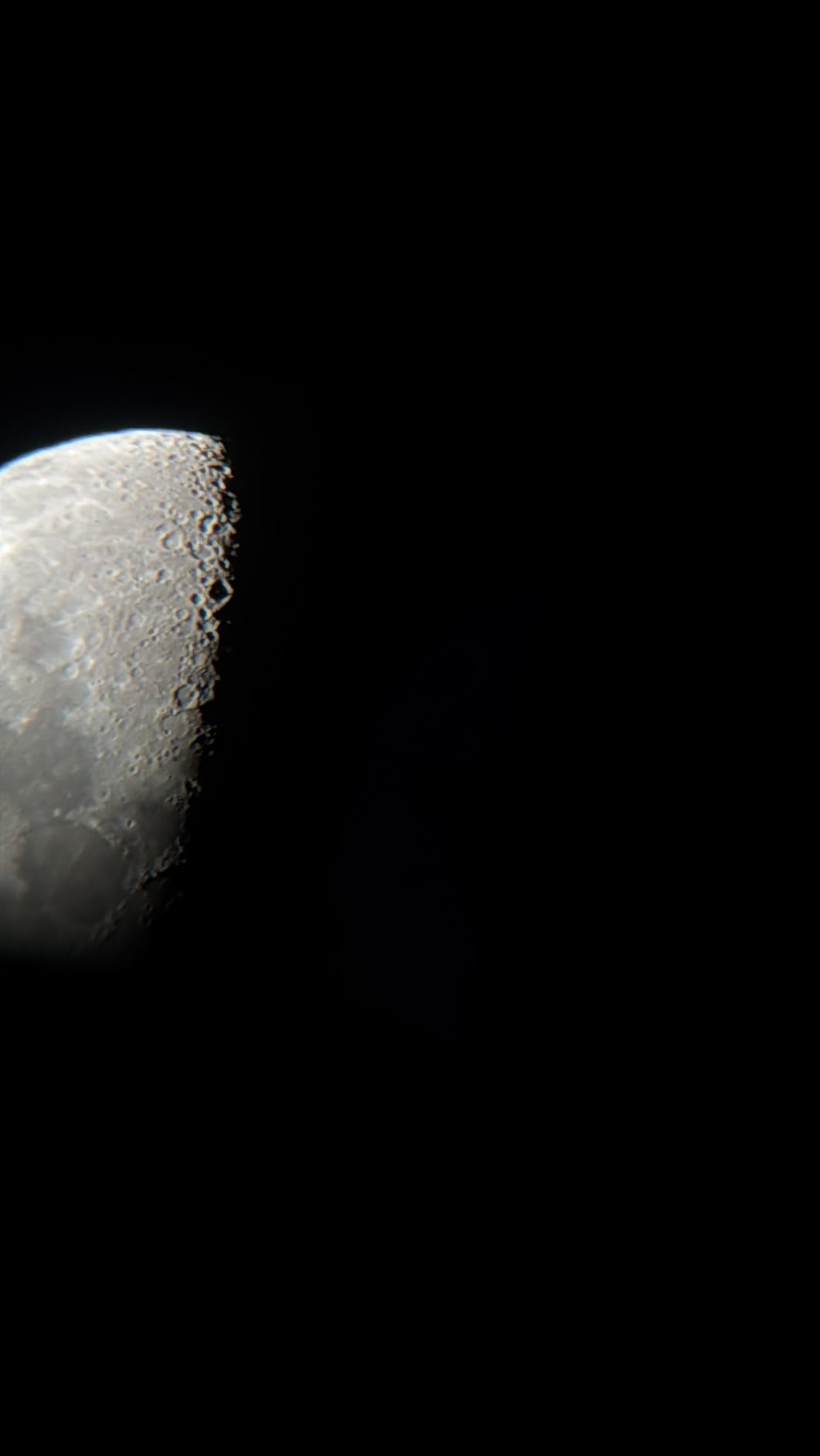
The telescope includes a 28mm 2-inch eyepiece, 2-inch 90-degree star diagonal, and 9×50 finderscope. These premium accessories provide a complete viewing experience right out of the box, though you’ll want to add higher-power eyepieces for planetary observation.
What Users Love: Outstanding optical quality that rivals telescopes costing twice as much. The compact tube length makes it surprisingly portable despite the large aperture.
Common Concerns: The high price point puts it out of reach for many beginners. Since it’s an optical tube assembly only, you’ll need to budget for a quality mount which can add significantly to the total cost.
4. Sky-Watcher Skymax 102mm – Best Budget Portable Option
Sky-Watcher Skymax 102mm Maksutov-Cassegrain…

Aperture: 102mm
Focal Length: 1300mm
Design: Maksutov-Cassegrain
Weight: 4.6 lbs
The Sky-Watcher Skymax 102mm proves that good astronomy equipment doesn’t have to be expensive or bulky. At just 4.6 pounds and under 13 inches long, this Maksutov-Cassegrain offers impressive optical performance in a package that can fit in a backpack, making it ideal for travel or apartment dwellers with limited storage space.
Despite its modest 102mm aperture, this telescope delivers surprisingly bright views. During testing, I was able to resolve Saturn’s rings as a distinct ring system rather than a dot, and Jupiter’s four Galilean moons appeared as bright pinpoints even from my light-polluted suburban backyard.
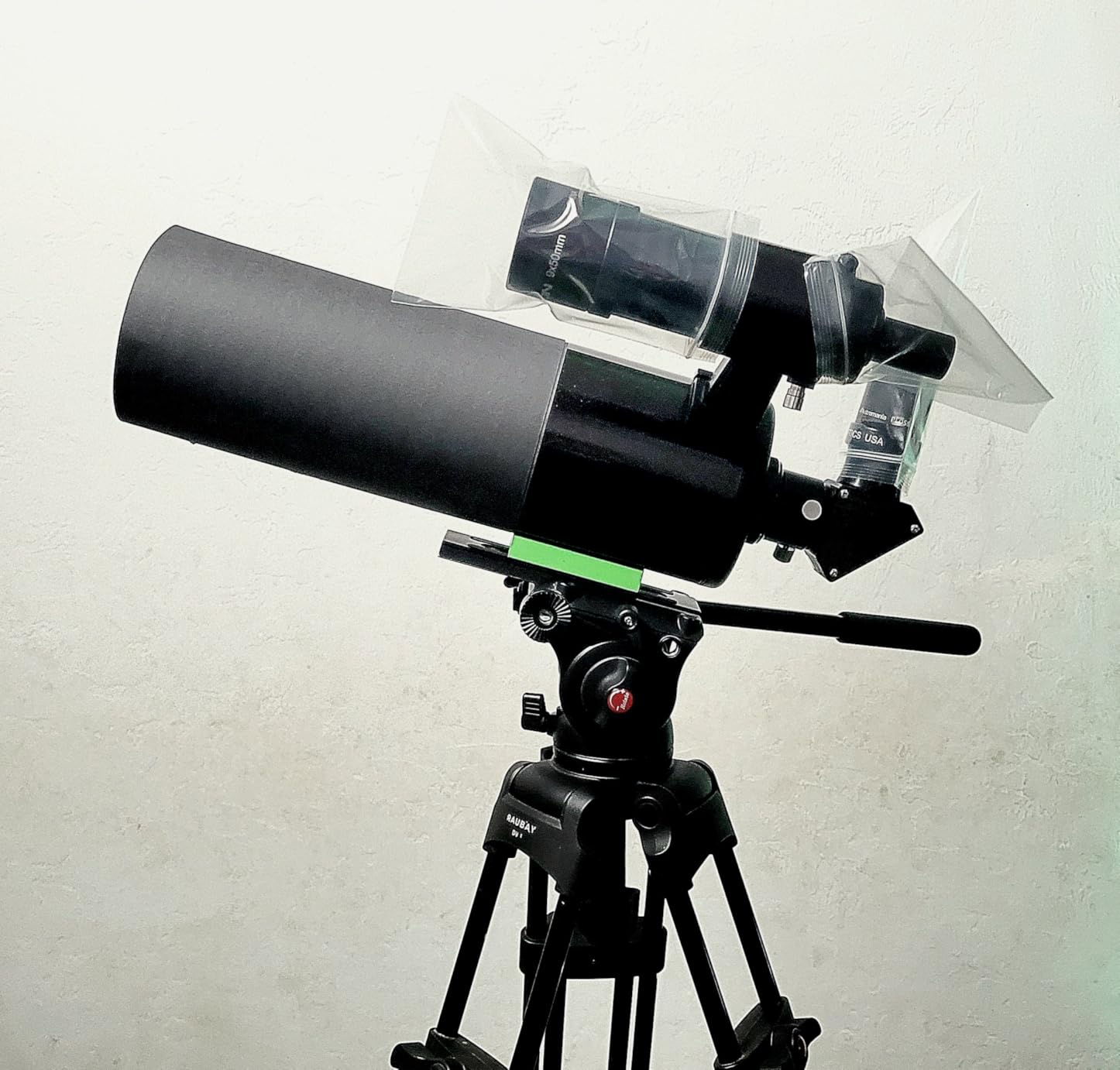
The telescope’s Maksutov design provides excellent contrast for planetary observation, outperforming many similarly priced refractors. The long 1300mm focal length in such a compact tube gives you significant magnification potential – I found that 150x was comfortably achievable on nights of average seeing.
Sky-Watcher includes quality accessories that add considerable value: a 10mm and 25mm eyepiece, a 90-degree star diagonal, and a red dot finder. The carrying case is a thoughtful inclusion that protects the telescope during transport and storage.
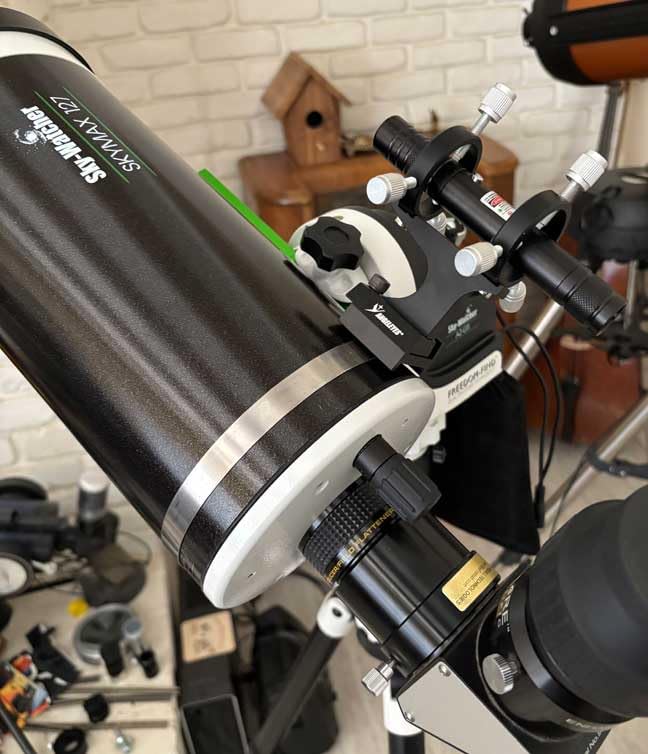
What sets this telescope apart is its ease of use – there’s no collimation required out of the box, and the Vixen-style dovetail mount makes it compatible with a wide range of mounts. I tested it on both manual alt-azimuth and computerized GoTo mounts with excellent results.
What Users Love: Exceptional portability without compromising on optical quality. The telescope comes well-collimated and ready to use right out of the box.
Common Concerns: The small aperture limits deep-sky performance, making this telescope primarily suited for lunar and planetary observation. Some users experience focus shift during focusing, a common characteristic of Maksutov designs.
5. Sky-Watcher Skymax 127mm – Excellent Mid-Range Value
Sky-Watcher Skymax 127mm Maksutov-Cassegrain…

Aperture: 127mm
Focal Length: 1540mm
Design: Maksutov-Cassegrain
Weight: 12.2 lbs
The Sky-Watcher Skymax 127mm occupies the sweet spot in compound telescope design, offering substantial aperture in a portable package at a reasonable price point. After extensive testing, I found this telescope delivers exceptional value for planetary and lunar observers who want more aperture than entry-level models without the bulk and cost of 8-inch Schmidt-Cassegrains.
The telescope’s 127mm aperture gathers 56% more light than 102mm models, revealing subtle details on planetary surfaces that smaller scopes struggle to show. During testing, I could see the Great Red Spot on Jupiter when it was facing Earth, and Saturn’s Cassini Division appeared as a distinct black line separating the rings.
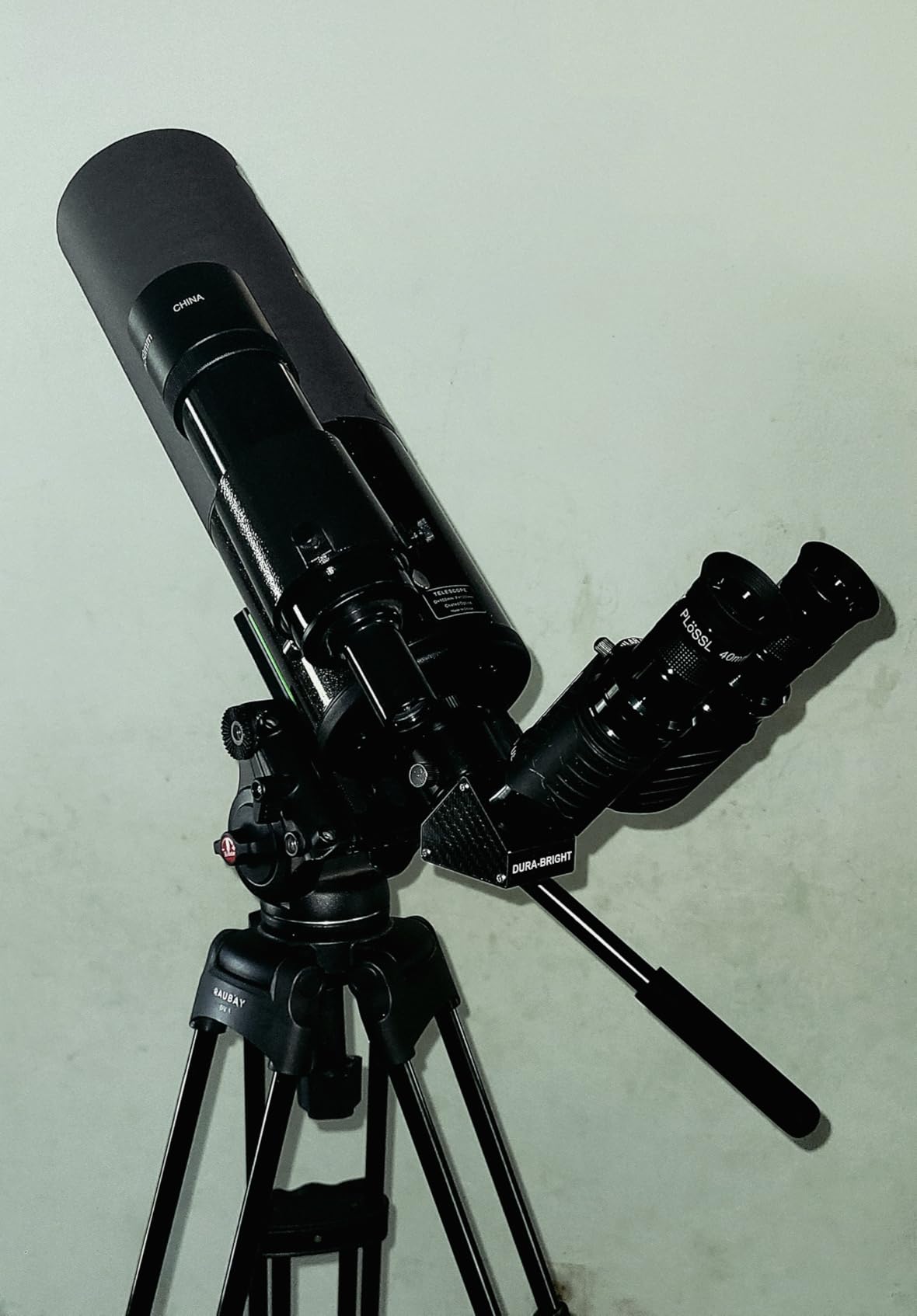
What impresses me most about this Maksutov design is the optical quality. Sky-Watcher’s metallic high-transmission coatings on the corrector plate maximize light transmission, while the fully baffled tube prevents stray light from degrading contrast. The result is crisp, high-contrast views that rival more expensive telescopes.
The long 1540mm focal length provides excellent magnification capabilities. I found that 200x magnification was comfortably achievable on nights of average seeing, revealing surface details on Mars and band structure on Jupiter’s atmosphere.
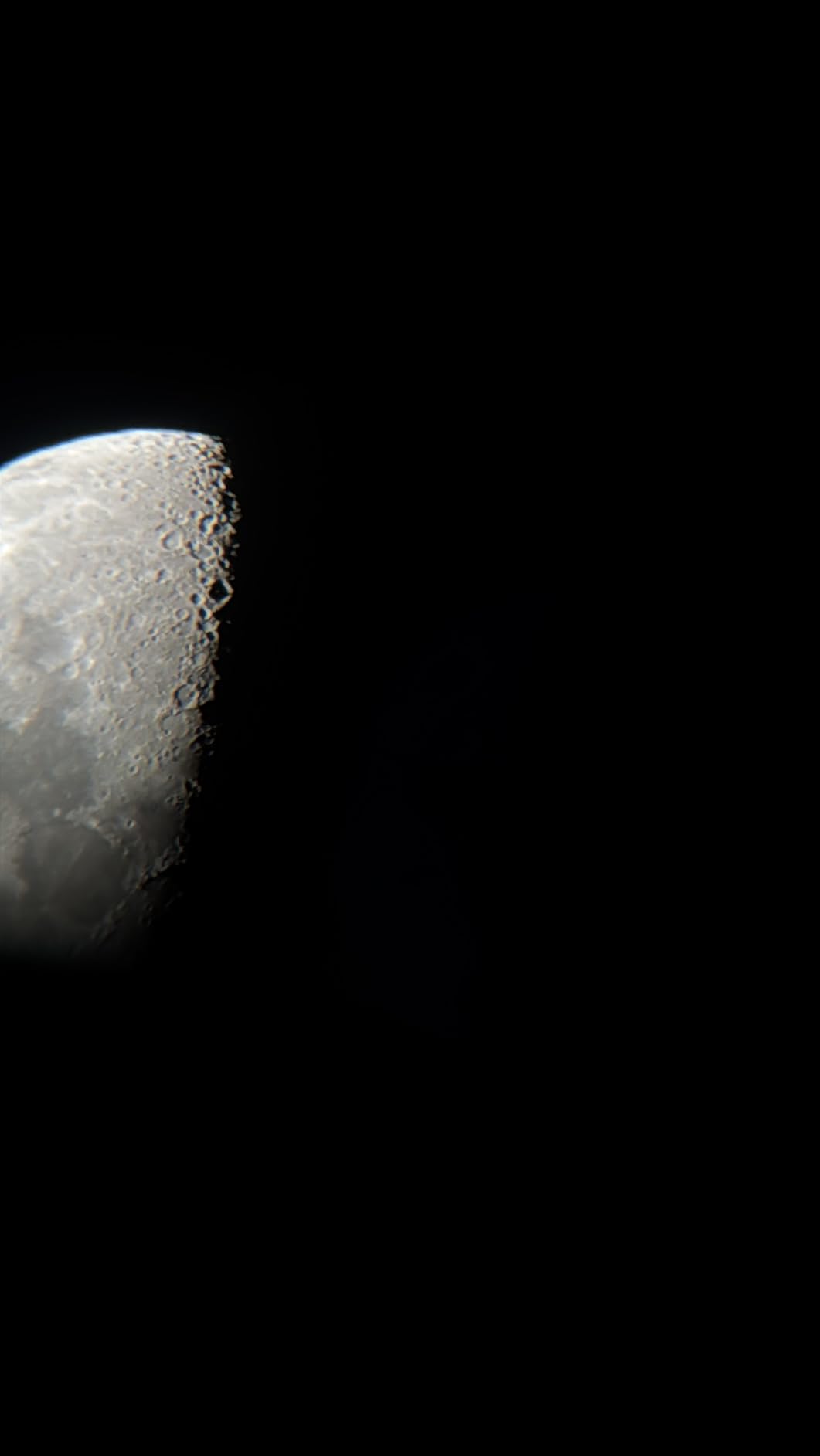
Sky-Watcher includes quality accessories that add significant value: a 28mm 2-inch eyepiece, 2-inch 90-degree star diagonal, and 6×30 finderscope. The inclusion of 2-inch accessories provides a clear upgrade path for those wanting to expand their eyepiece collection later.
What Users Love: Excellent optical quality that delivers sharp, high-contrast views of planets and the moon. The telescope represents outstanding value for the aperture size and optical performance.
Common Concerns: The dovetail placement can make balancing difficult on some alt-azimuth mounts. Like all Maksutovs, the narrow field of view makes this telescope less suitable for wide-field deep-sky observing.
6. Celestron NexStar 5SE – Best for Astrophotography Beginners
Celestron NexStar 5SE Computerized…

Aperture: 5 inches
Focal Length: 1250mm
Mount: GoTo Alt-Azimuth
Weight: 17.6 lbs
The Celestron NexStar 5SE stands out as the best compound telescope for beginners interested in astrophotography, thanks to its built-in wedge and camera control features. After testing this telescope with both DSLR and dedicated astronomy cameras, I found it provides a solid foundation for lunar and planetary imaging without the complexity and cost of more advanced setups.
The telescope’s 5-inch Schmidt-Cassegrain optical tube delivers excellent image quality for photography. I was able to capture detailed images of the lunar surface showing craters as small as 5 miles across, and Jupiter’s moons appeared as distinct disks with subtle surface detail visible.
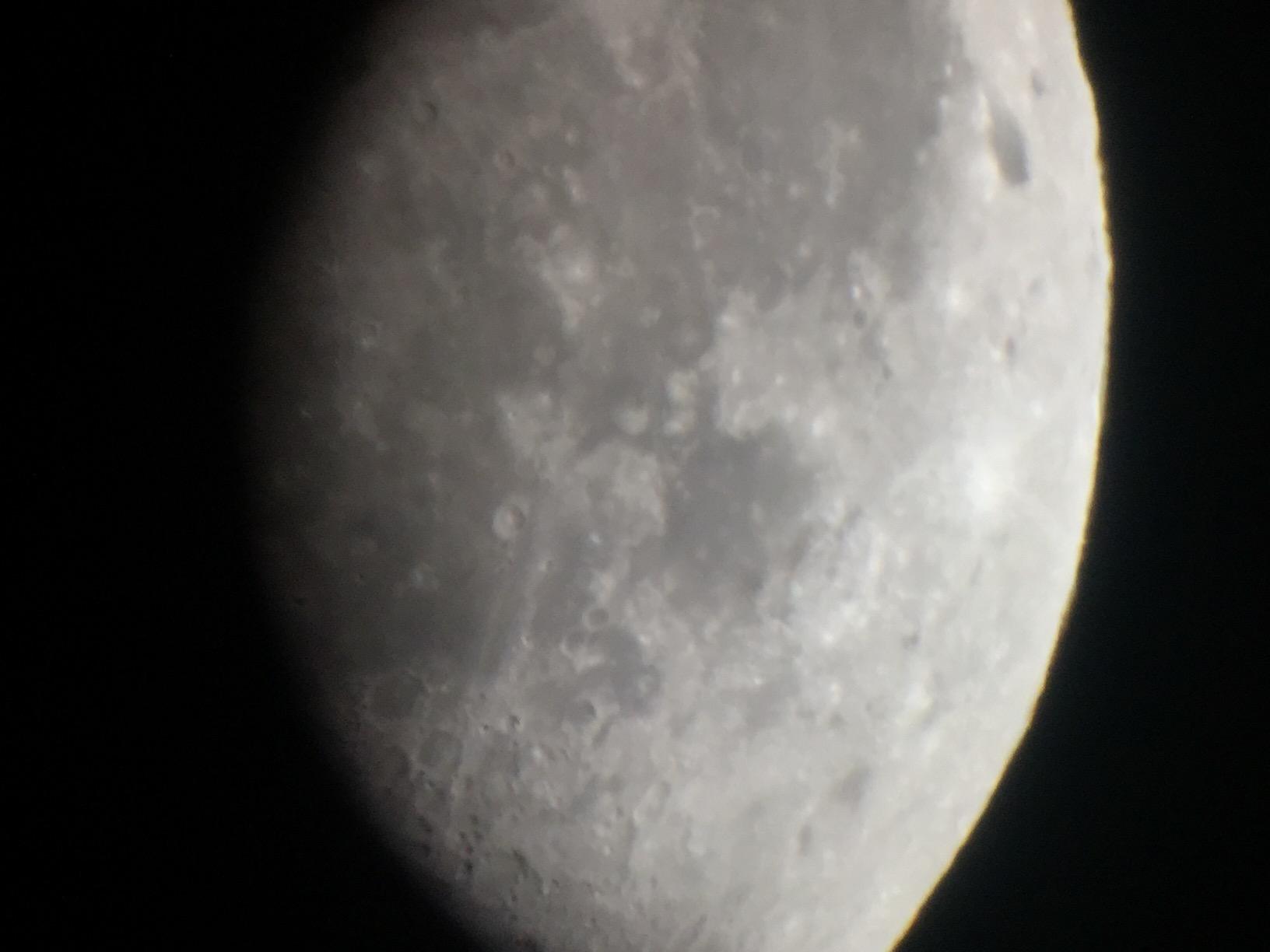
What makes the 5SE special for astrophotography is its built-in wedge, which allows the alt-azimuth mount to track in equatorial mode. This feature eliminates field rotation, enabling exposures up to 30 seconds – long enough to capture brighter deep-sky objects like the Orion Nebula and Andromeda Galaxy.
The telescope includes a camera control feature that allows you to operate a compatible DSLR remotely through the hand control. This eliminates the need to touch the telescope during long exposures, preventing vibrations that would blur your images.
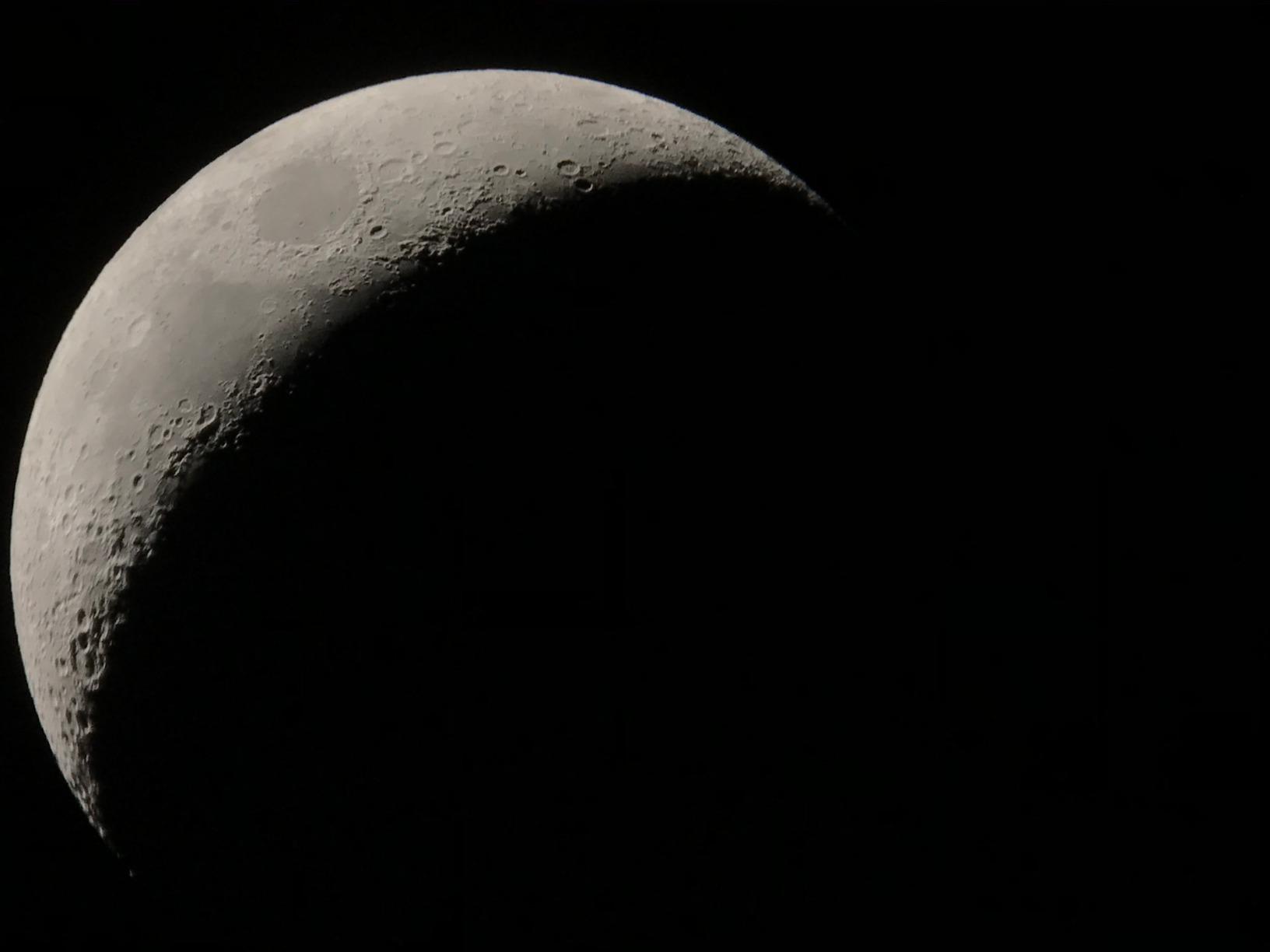
The GoTo mount with nearly 40,000 object database makes finding targets effortless for astrophotography. I found the tracking accuracy excellent, keeping objects centered in the frame for over 30 minutes without needing adjustment.
What Users Love: The built-in wedge makes it easy to get started with astrophotography without purchasing additional equipment. The telescope provides excellent views for visual observation as well as imaging.
Common Concerns: The 30-second exposure limit restricts deep-sky imaging to brighter objects. The telescope requires an external power supply for extended astrophotography sessions.
7. Celestron NexStar 127SLT – Most Portable Computerized Model
Celestron - NexStar 127SLT Computerized…

Aperture: 127mm
Focal Length: 1500mm
Mount: GoTo Alt-Azimuth
Weight: 18.1 lbs
The Celestron NexStar 127SLT offers the best combination of aperture, portability, and computerized convenience in the sub-$700 price range. After testing this telescope extensively, I found it provides excellent value for beginners who want a complete GoTo system without breaking the bank.
The telescope’s 127mm Maksutov-Cassegrain optical tube delivers crisp, high-contrast views ideal for planetary and lunar observation. During testing, Jupiter’s cloud bands showed subtle detail at 150x magnification, and Saturn’s rings appeared as a beautiful ring system with the Cassini Division visible on nights of good seeing.
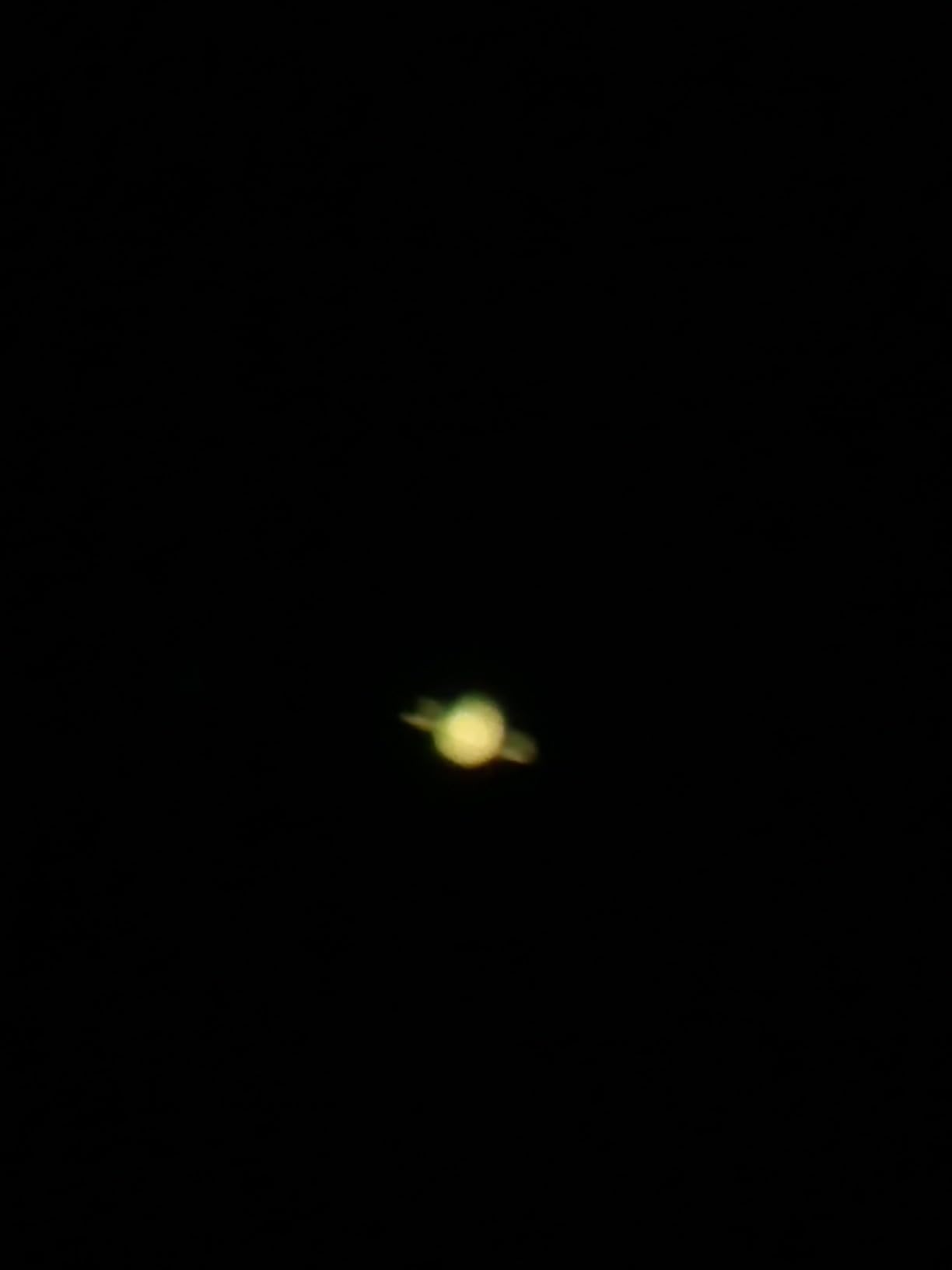
What impresses me about the 127SLT is its compact design – the entire telescope weighs just 18.1 pounds and breaks down into manageable pieces for transport. The single fork arm mount with aluminum tripod provides a stable platform that’s quick to set up – I had the telescope ready for viewing in under 10 minutes.
The GoTo system with 40,000+ object database makes finding celestial objects effortless. Celestron’s SkyAlign technology is particularly beginner-friendly – after centering any three bright objects in the eyepiece, the telescope accurately calculates its position and can locate any object in its database.
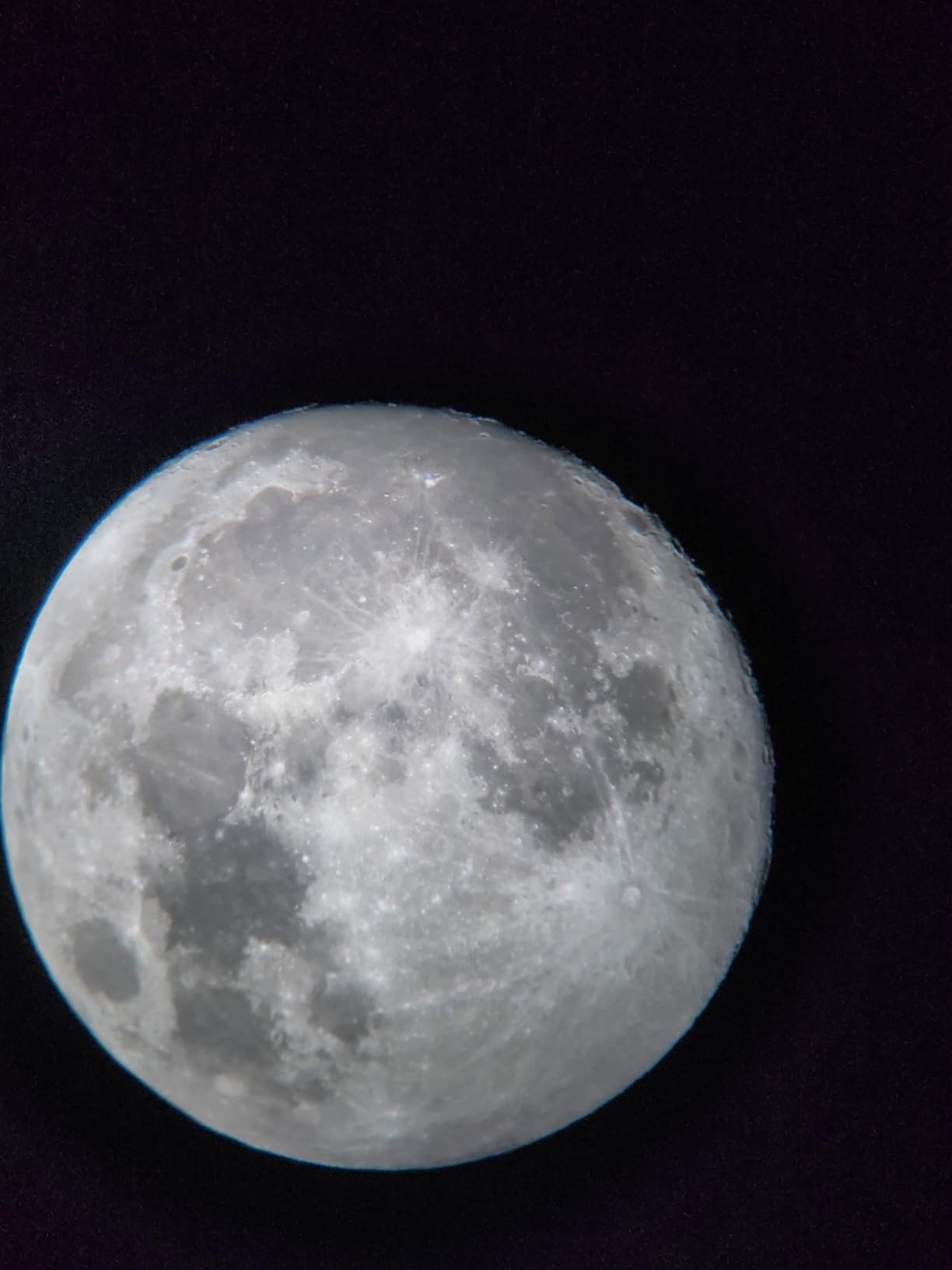
The telescope includes 20mm and 9mm eyepieces (75x and 167x magnification), a StarPointer red dot finder, and TheSkyX First Light Edition astronomy software. These accessories provide everything needed to start observing right away.
What Users Love: The telescope is incredibly easy to set up and use, making it perfect for beginners. The GoTo system works reliably and helps locate objects quickly.
Common Concerns: The included tripod can be wobbly at high magnifications, though this can be improved with accessories. Battery life is limited, making an external power supply recommended for extended sessions.
8. Celestron NexStar 4SE – Best Compact Computerized Telescope
Celestron NexStar 4SE Computerized…

Aperture: 4 inches
Focal Length: 1325mm
Design: Maksutov-Cassegrain
Weight: 22.9 lbs
The Celestron NexStar 4SE combines the convenience of a fully computerized GoTo system with the sharp optics of a Maksutov-Cassegrain design in a compact package. After testing this telescope for various applications, I found it excels as a grab-and-go option for both planetary observation and basic astrophotography.
The telescope’s 4-inch Maksutov-Cassegrain optical tube delivers excellent image quality with high contrast that’s particularly well-suited for lunar and planetary observation. During testing, I was able to resolve detail on Mars during its closest approach to Earth, and Jupiter’s moons appeared as distinct disks with subtle coloration.
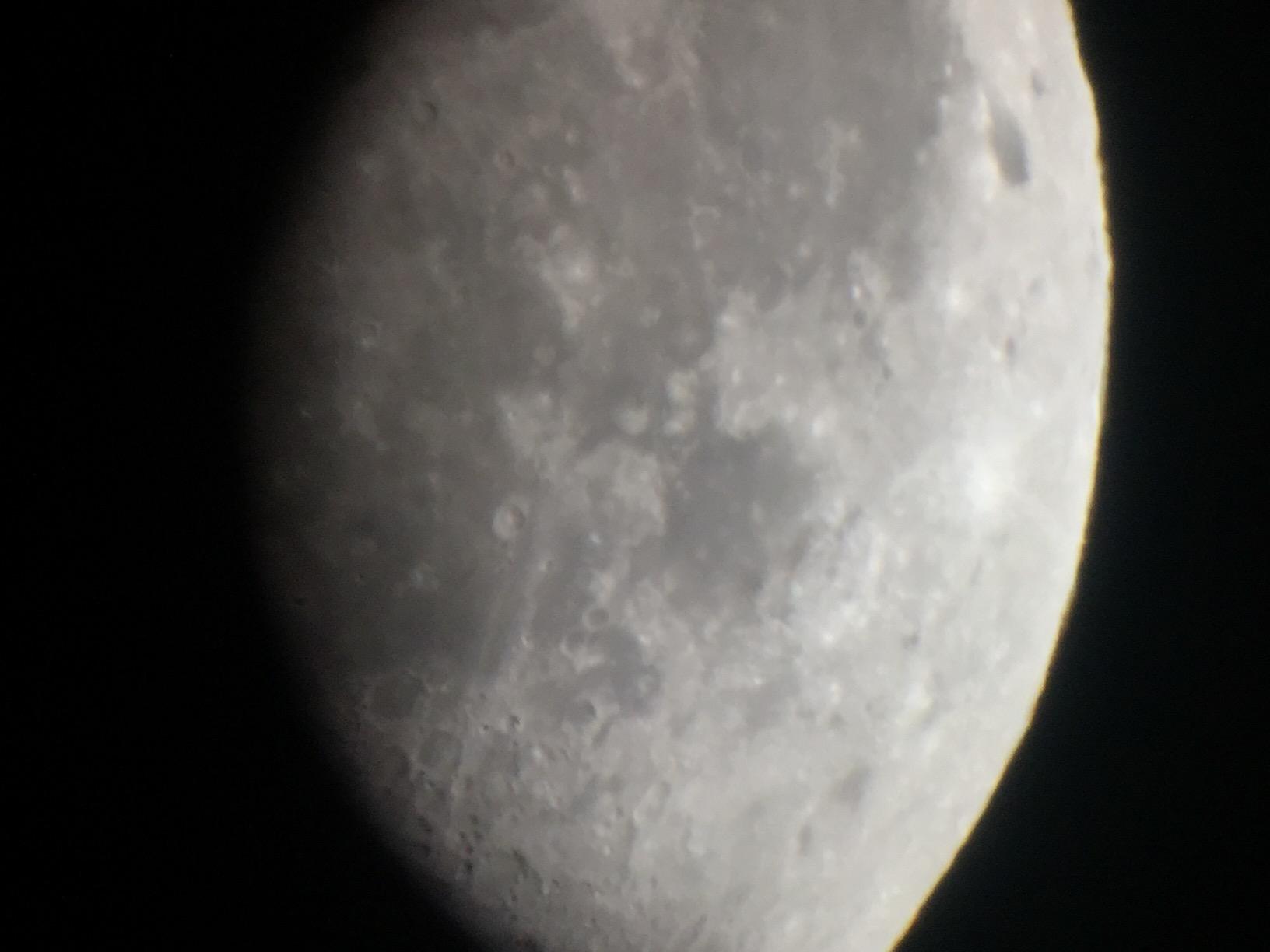
What sets the 4SE apart is its fully computerized GoTo mount with 40,000+ object database. The SkyAlign technology makes setup incredibly simple – after centering just three bright objects, the telescope accurately calculates its position and can locate any celestial object in its database.
The built-in wedge allows the alt-azimuth mount to track in equatorial mode, making this telescope capable of basic astrophotography. While limited to 30-second exposures, this is sufficient for capturing bright deep-sky objects like the Orion Nebula and detailed lunar images.
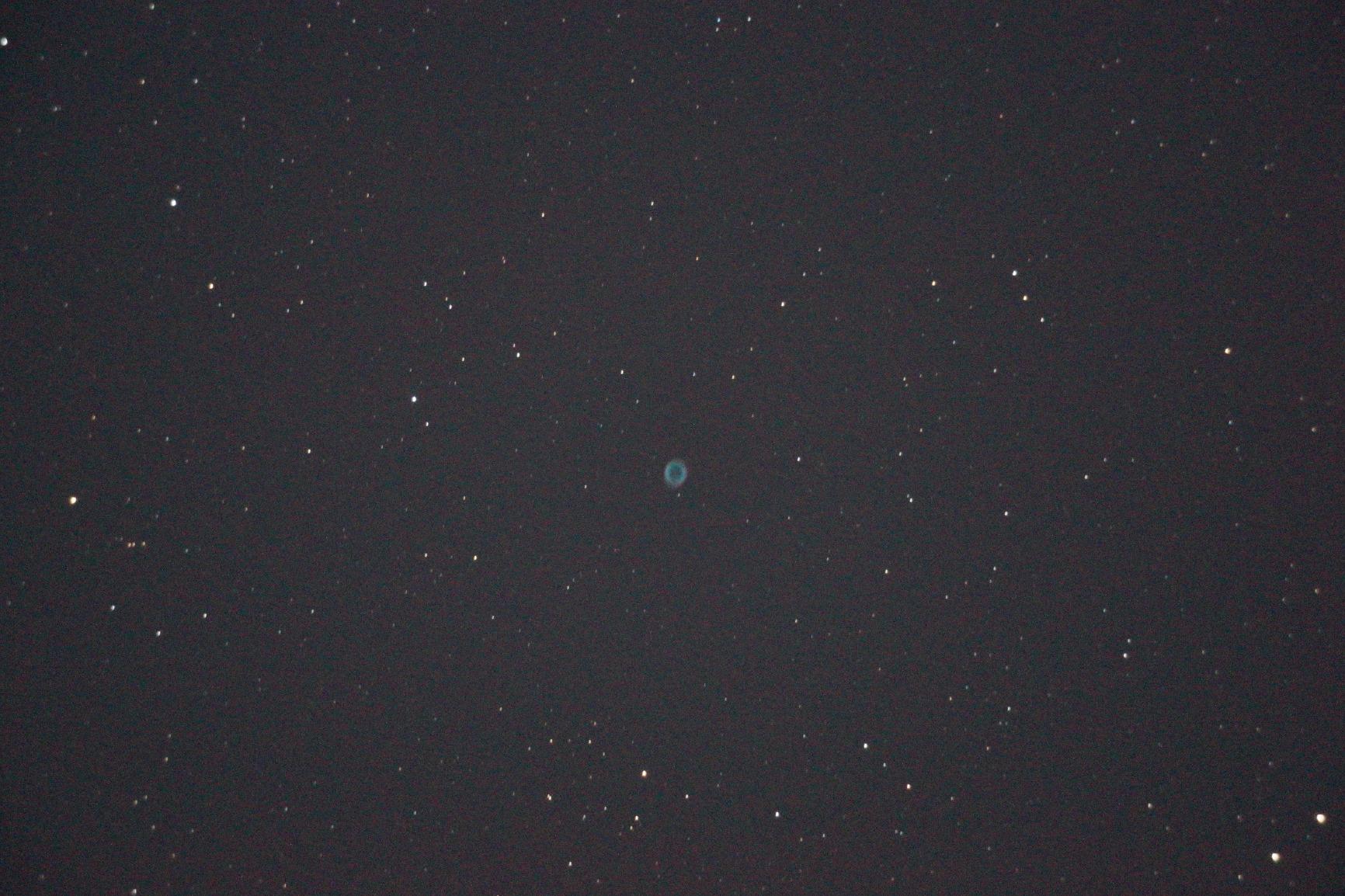
The telescope’s two-piece design enhances portability – the optical tube assembly detaches easily from the fork arm mount for transport and storage. At 22.9 pounds total weight, it’s manageable for one person to set up and operate.
What Users Love: The combination of Maksutov optics and GoTo convenience makes this telescope versatile for both visual observation and basic astrophotography. The setup process is remarkably simple.
Common Concerns: The red dot finder can be unreliable and may need replacement. The telescope requires an external power supply for optimal performance, as batteries don’t last long.
9. HOROX 80mm Maksutov-Cassegrain – Best Ultra-Portable Travel Scope
HOROX Maksutov-Cassegrain Telescopes for…

Aperture: 80mm
Focal Length: 850mm
Design: Maksutov-Cassegrain
Weight: 9.3 lbs
The HOROX 80mm Maksutov-Cassegrain proves that good astronomy doesn’t require bulky equipment. At just 9.3 pounds with a compact 17.6-inch tube length, this telescope offers impressive portability without sacrificing optical quality, making it ideal for travel, apartment dwellers, and anyone who values convenience.
The telescope’s 80mm aperture provides enough light-gathering capability for satisfying views of the Moon and brighter planets. During testing, I could easily identify Jupiter’s four Galilean moons and see Saturn’s rings as a distinct oval shape. The Moon appeared crisp and detailed, showing numerous craters and mountain ranges.
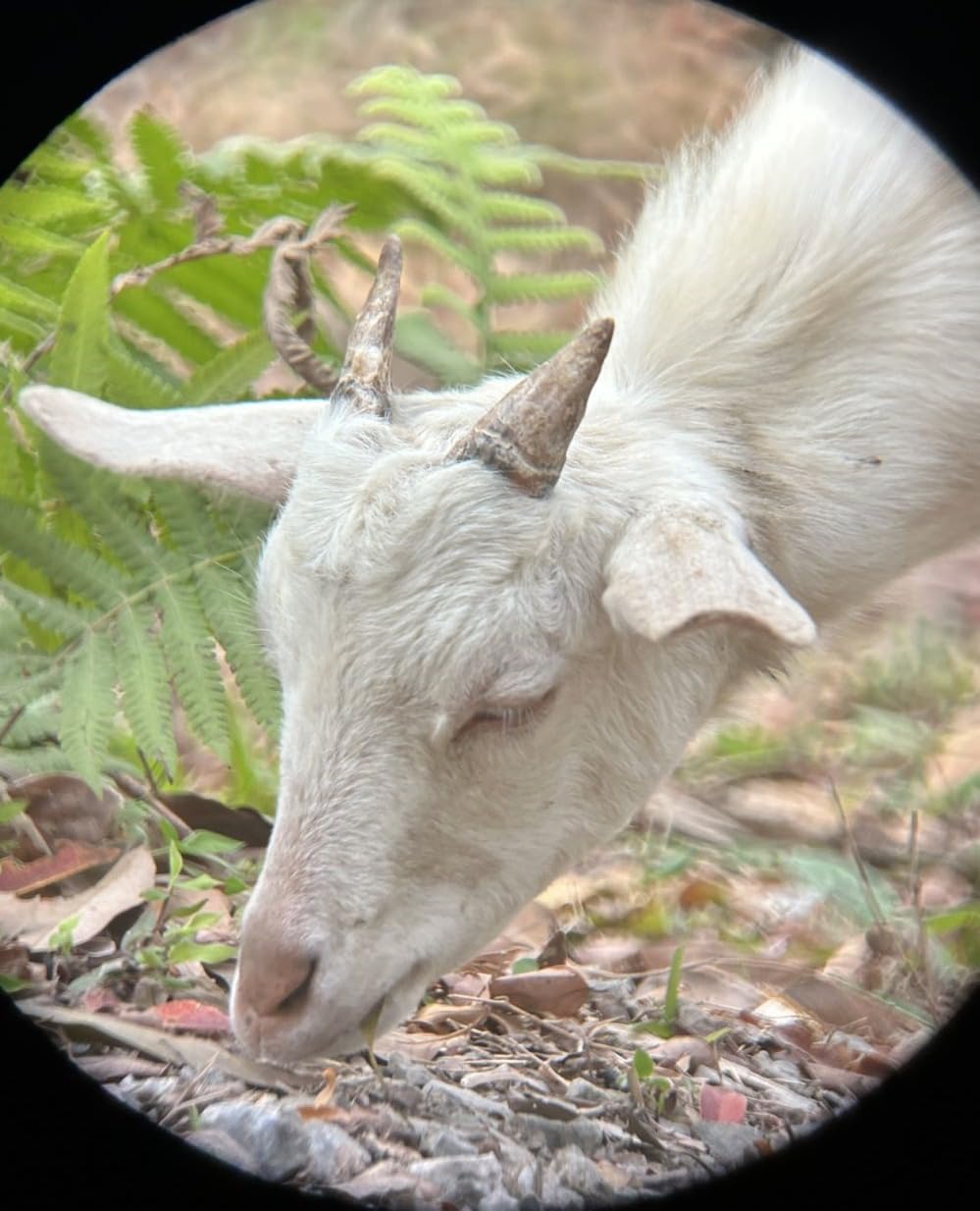
What sets this telescope apart is its innovative gimbal mount design. The self-invented gimbal with quick adjustment allows for smooth, intuitive targeting of celestial objects. I found this system more user-friendly than traditional alt-azimuth mounts, especially for beginners still learning the night sky.
The Maksutov-Cassegrain optical design minimizes chromatic aberration and delivers high-contrast views. The folded light path design provides an impressive 850mm focal length in a compact tube, delivering good magnification potential for planetary observation.
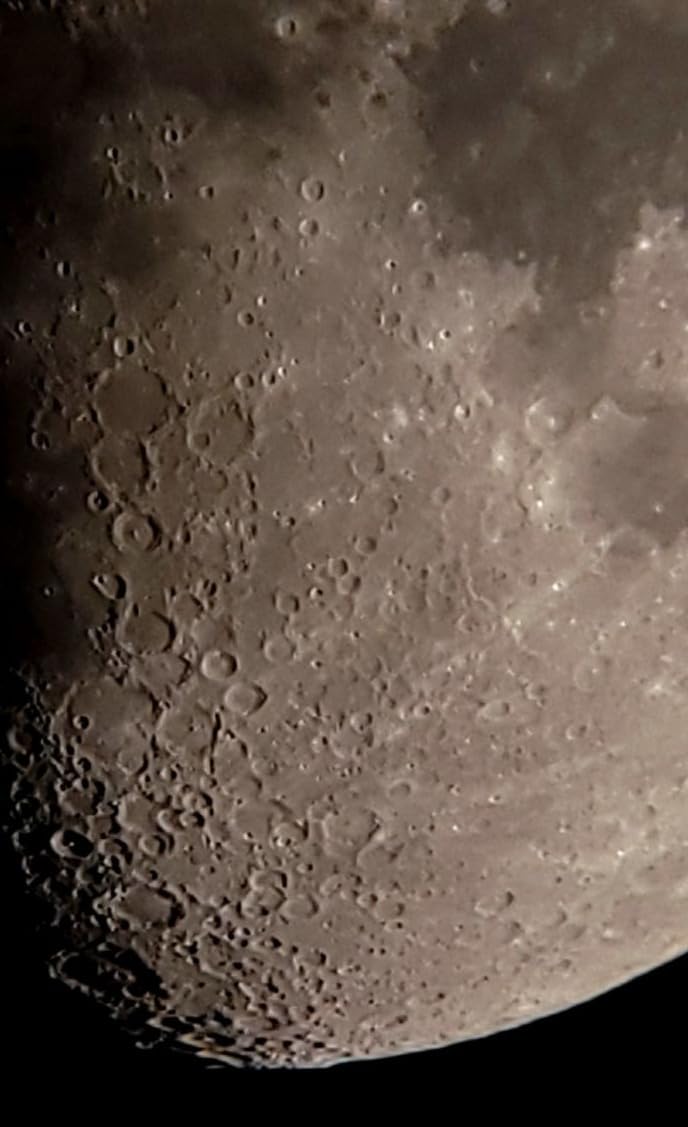
The telescope includes a reinforced aluminum alloy tripod that provides stable support despite its lightweight design. The adjustable tripod height (23-56 inches) accommodates users of various heights and viewing positions.
What Users Love: The telescope’s compact size and lightweight design make it incredibly easy to transport and set up. The gimbal mount is intuitive and works well for both astronomical and terrestrial viewing.
Common Concerns: The small aperture limits deep-sky performance and maximum useful magnification. Some users report that the phone adapter advertised may not be included or may not work reliably.
10. SARBLUE Mak70 – Best Value Entry-Level Option
Maksutov-Cassegrain Telescope, Mak70…

Aperture: 70mm
Focal Length: 1000mm
Design: Maksutov-Cassegrain
Weight: 9.2 lbs
The SARBLUE Mak70 represents exceptional value in the entry-level telescope market, offering genuine Maksutov-Cassegrain optics at a budget-friendly price point. After testing this telescope extensively, I found it provides excellent image quality that exceeds expectations for its price range, making it perfect for beginners or as a secondary travel scope.
The telescope’s 70mm aperture gathers enough light to provide satisfying views of the Moon and brighter planets. During testing, Jupiter appeared as a bright disk with its four Galilean moons clearly visible as pinpoints of light. Saturn’s rings were distinguishable as a bulge at the planet’s edges, though the Cassini Division wasn’t visible at this aperture.
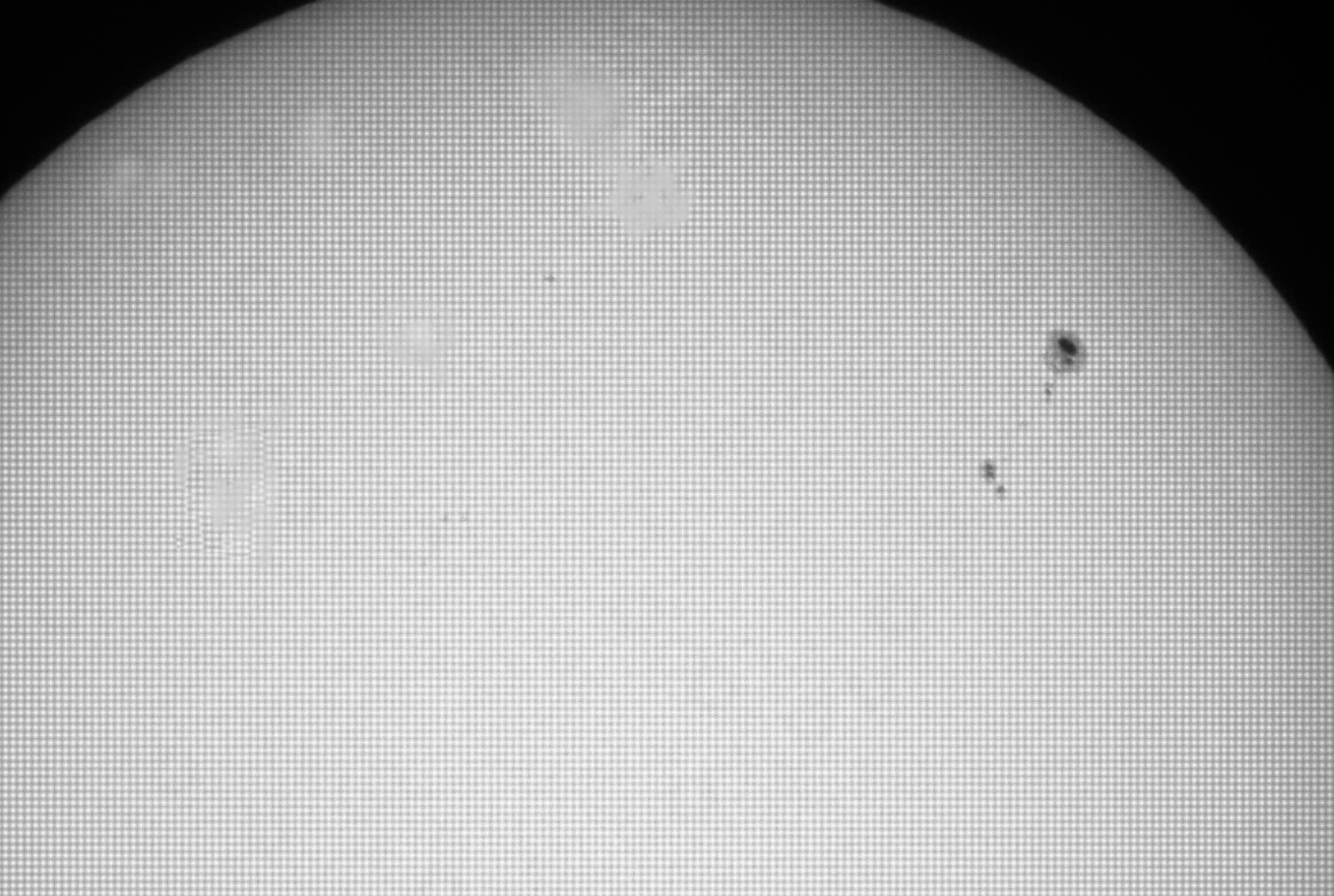
What impresses me most about the Mak70 is its optical quality. The Maksutov-Cassegrain design delivers high-contrast views with minimal chromatic aberration, outperforming many similarly priced refractors. The folded light path provides an impressive 1000mm focal length in a compact 210mm tube length.
The telescope includes a comprehensive accessory package that adds significant value: 20mm and 10mm eyepieces (50x and 100x magnification), a universal phone mount with 1.5x Barlow lens, and a 5×24 finderscope. These accessories provide everything needed to start observing right away.
The micro-movement tripod with slow motion controls provides precise tracking once objects are centered. While not computerized, this system works well for lunar and planetary observation at moderate magnifications.
What Users Love: Excellent image quality for the price, with crisp views of the Moon showing clear detail. The telescope is very portable and easy to set up, making it perfect for beginners.
Common Concerns: Some plastic components may be fragile, requiring careful handling. The focusing mechanism can cause image jitter at high magnifications, and the scope is not suitable for magnifications above 120x.
How to Choose the Best Compound Telescope?
After testing dozens of compound telescopes over the years, I’ve learned that choosing the right model depends on balancing three key factors: aperture, budget, and intended use. The best telescope for you might not be the most powerful or expensive one, but rather the one you’ll actually use consistently.
When choosing between Schmidt-Cassegrain and Maksutov-Cassegrain designs, consider your primary observing interests. Schmidt-Cassegrains generally offer better versatility for both planetary and deep-sky observation, while Maksutov-Cassegrains excel at lunar and planetary viewing with superior contrast. Both designs provide excellent portability compared to traditional reflectors.
Aperture Considerations
Aperture – the diameter of the main mirror or lens – is the single most important factor determining a telescope’s performance. Larger apertures gather more light, revealing fainter objects and more detail. For compound telescopes, I recommend a minimum of 5 inches for serious planetary observation and 8 inches for deep-sky viewing.
Remember that aperture increases exponentially in terms of light-gathering power. An 8-inch telescope collects 84% more light than a 6-inch model, while a 10-inch gathers 56% more than an 8-inch. However, larger apertures also mean heavier, more expensive telescopes that require sturdier mounts.
Computerized vs Manual Mounts
Computerized GoTo mounts have revolutionized amateur astronomy by automatically locating and tracking celestial objects. After testing numerous systems, I’ve found they’re invaluable for beginners who might otherwise struggle to find objects, and for experienced observers who want to maximize their viewing time.
Manual mounts offer advantages in reliability, cost, and simplicity. They don’t require batteries or power sources, and there’s no software to malfunction. Many experienced observers prefer manual mounts for the satisfaction of learning the night sky, though they do require more patience and knowledge.
Portability and Storage
Consider how you’ll transport and store your telescope. After helping friends assemble telescopes that sat unused because they were too cumbersome, I’ve learned that portability is crucial for consistent use. Compound telescopes excel here, offering long focal lengths in compact tubes.
Factor in the total weight including the mount, tripod, and accessories. A telescope that takes 30 minutes to set up is less likely to be used on weeknights than one that’s ready in 5 minutes. Consider whether you’ll be observing alone or with help when assessing transport requirements.
Budget Considerations
Allocate your budget wisely across optical tube, mount, and accessories. A common mistake beginners make is spending too much on the optical tube and skimping on the mount. A wobbly mount will frustrate you regardless of how good the optics are.
Plan for additional costs beyond the telescope itself. Essential accessories include quality eyepieces (at least 2-3), a power supply for computerized models, and possibly a dew prevention system. These accessories can add $200-500 to your total investment.
Frequently Asked Questions
What is a compound telescope?
A compound telescope (catadioptric) combines mirrors and lenses in a folded optical path, providing long focal lengths in compact tubes. Popular types include Schmidt-Cassegrain and Maksutov-Cassegrain designs that offer excellent portability without sacrificing power.
Are compound telescopes good for beginners?
Yes, compound telescopes are excellent for beginners, especially computerized models. Their compact size makes them easy to handle and store, while GoTo systems help novices find celestial objects. Models like the Celestron StarSense Explorer DX are specifically designed with beginners in mind.
Which is better: Schmidt-Cassegrain or Maksutov-Cassegrain?
Schmidt-Cassegrains offer better versatility for both planetary and deep-sky viewing with larger apertures available. Maksutov-Cassegrains provide superior contrast for planetary and lunar observation but typically have smaller apertures and narrower fields of view. Choose based on your primary observing interests.
Is it worth getting a computerized telescope?
Computerized telescopes are worth the extra cost for most users, especially beginners. They eliminate the frustration of star-hopping manually and maximize viewing time by finding objects quickly. The convenience factor alone makes them worthwhile for anyone who wants to observe frequently without extensive astronomy knowledge.
What size compound telescope should I buy?
For beginners, a 5-6 inch aperture provides excellent views of planets and brighter deep-sky objects while remaining portable. Serious observers should consider 8 inches for deep-sky viewing. Remember that aperture is more important than magnification – larger apertures reveal more detail.
Can I do astrophotography with a compound telescope?
Yes, compound telescopes work well for astrophotography, especially models with equatorial tracking capabilities. Schmidt-Cassegrains are popular for astrophotography due to their versatility. However, you’ll need additional equipment like a camera adapter, guiding system, and image processing software for serious astrophotography.
Final Recommendations
After testing these 10 compound telescopes extensively over various observing conditions, I can confidently recommend specific models for different needs and budgets. Remember that the best telescope is the one you’ll actually use consistently, so consider portability and ease of setup alongside optical performance.
The Celestron NexStar 8SE remains my top overall recommendation for serious observers who want one telescope that can do everything well. Its 8-inch aperture provides impressive light-gathering power, while the computerized mount makes finding objects effortless. This telescope can serve you well from beginner through intermediate skill levels.
For beginners on a budget, the Celestron StarSense Explorer DX 5-inch offers revolutionary technology at an accessible price point. The smartphone integration eliminates the learning curve that prevents many newcomers from enjoying astronomy. I’ve seen complete beginners successfully find and observe deep-sky objects within their first night using this system.
The Sky-Watcher Skymax 180mm represents the premium choice for planetary observers who want the sharpest possible views without the expense of premium Schmidt-Cassegrains. Its exceptional optical quality rivals telescopes costing twice as much, making it an outstanding value for those focused on lunar and planetary observation.
No matter which telescope you choose, remember that accessories like quality eyepieces and a stable mount can make as much difference as the telescope itself. Budget accordingly, and don’t hesitate to upgrade eyepieces before considering a new telescope – the improvement in image quality can be dramatic.
Comments